
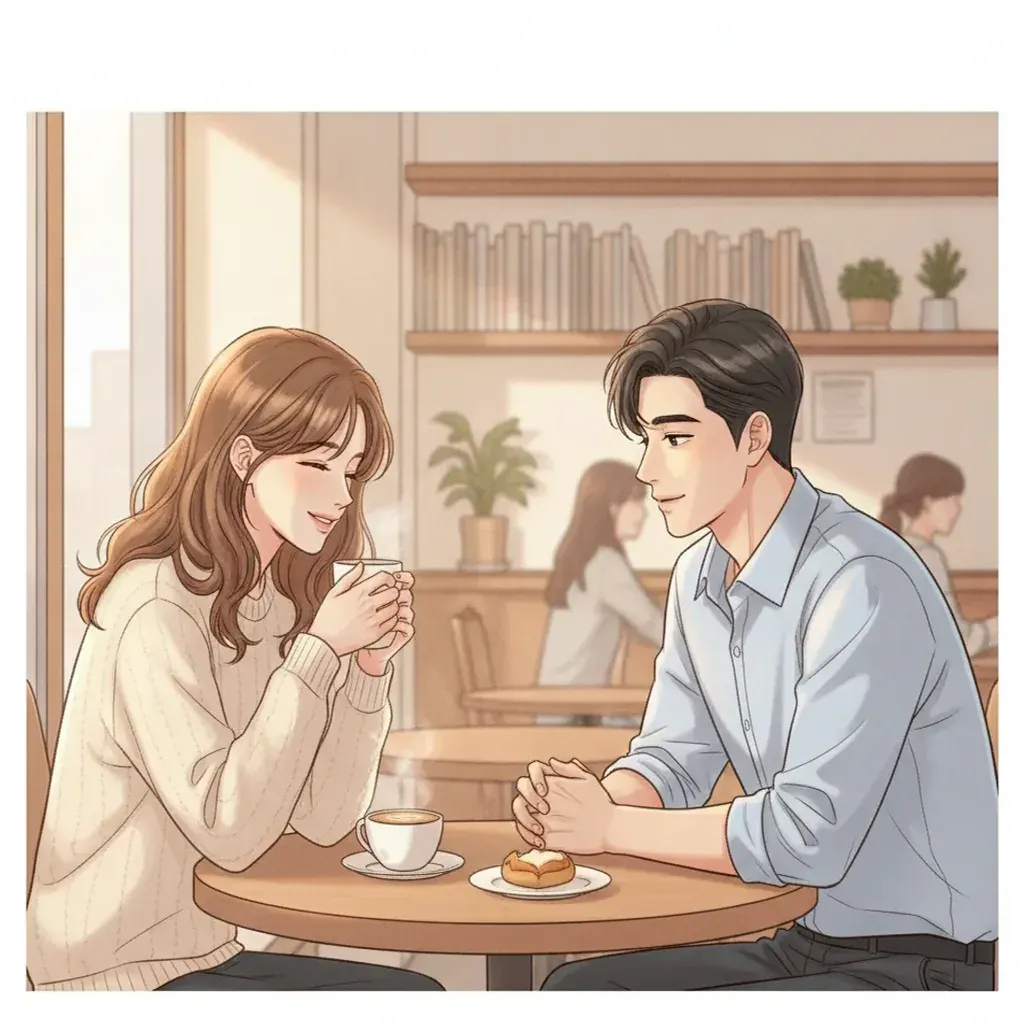
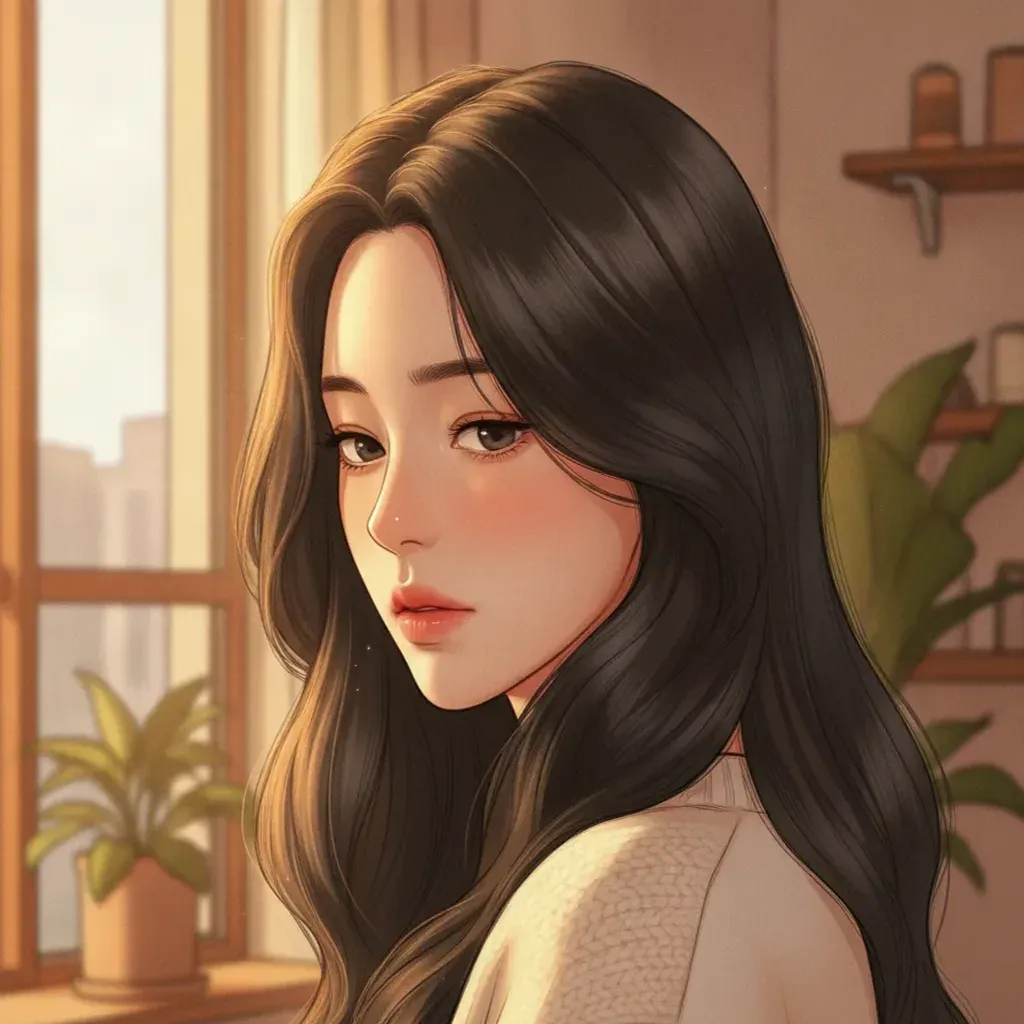
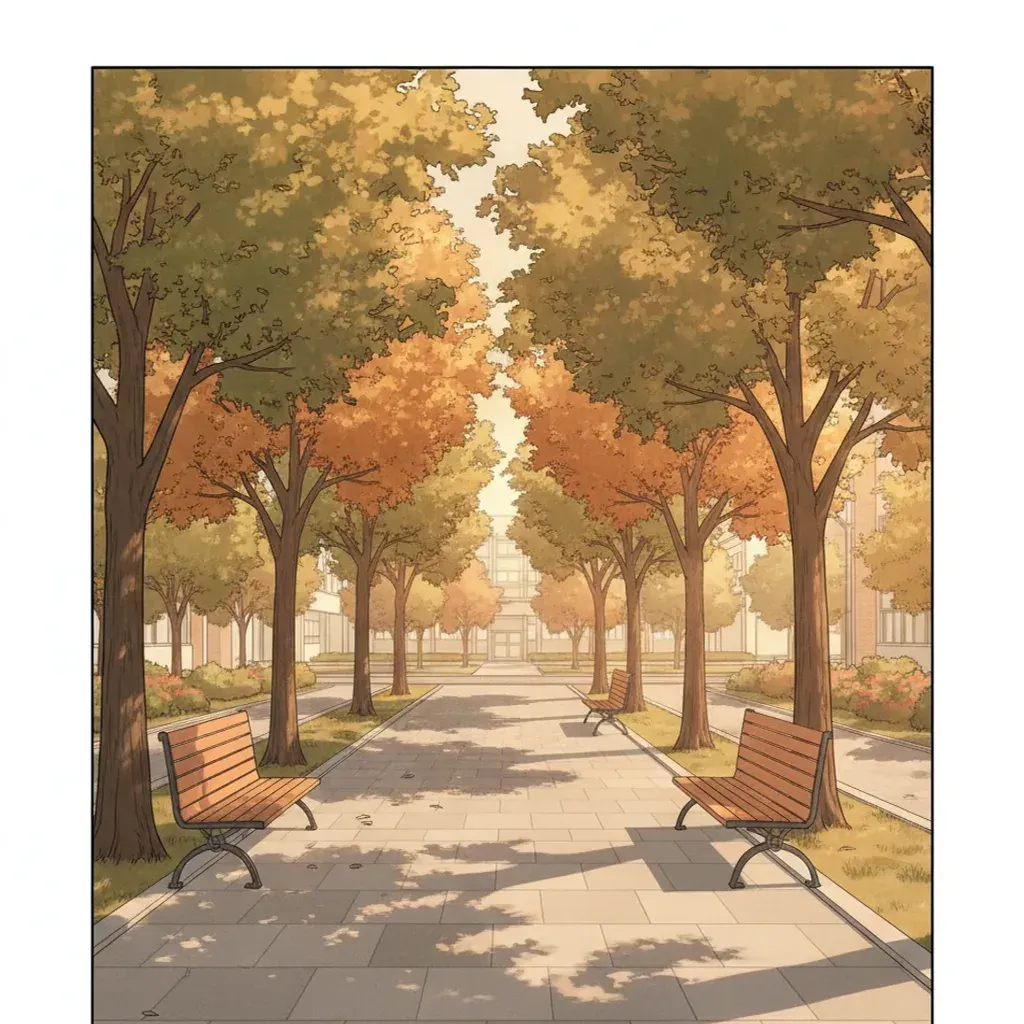
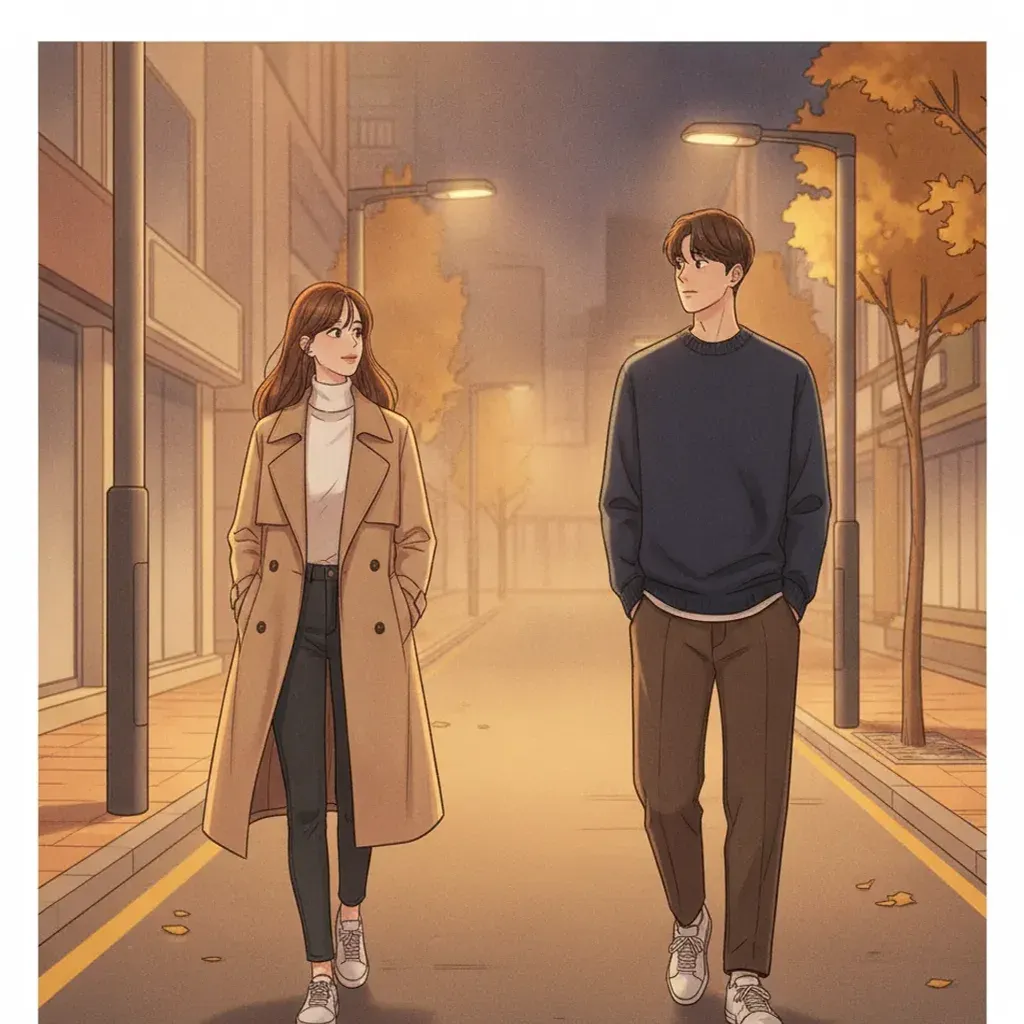
O romance é o maior gênero em webtoons, por uma margem considerável. Em todas as principais plataformas, as séries mais bem classificadas são esmagadoramente de romance ou adjacentes ao romance — romance de escritório, romances de campus de desenvolvimento lento, intrigas históricas da corte com uma história de amor no centro. É também o gênero onde os leitores são menos tolerantes com a consistência da arte, porque eles estão acompanhando dois rostos específicos por dezenas de capítulos.
Essa combinação — público enorme, alto padrão de consistência — é exatamente o que torna o webtoon de romance o gênero mais difícil de começar à mão, e aquele onde a geração por IA mais muda a matemática.
O Que Torna o Visual do Webtoon de Romance Distinto
Se você colocar um painel de webtoon de romance ao lado de um painel de webtoon de ação, a diferença é imediata, mesmo antes de você ler uma palavra.
Sombreamento suave e pictórico. Títulos de ação usam cel-shading duro com bordas de sombra nítidas. O romance usa mesclagem suave — as sombras se fundem em tons médios, e o acabamento é fosco em vez de brilhante. A pele e o tecido parecem macios em vez de esculpidos.
Gradação de cores quentes e de baixo contraste. As paletas de romance se encaixam em uma faixa estreita e quente: luz âmbar, rosas suaves, cremes suaves. Pretos profundos e iluminação de contorno neon pertencem a thrillers. O contraste geral é deliberadamente baixo, o que faz com que o formato pareça calmo e íntimo em uma tela de telefone.
Traços delicados. Linhas finas e consistentes, em vez de traços pesados e de peso variável. A linha recua para que a cor e a expressão carreguem o painel.
Fundos arrumados e simples. Os fundos de romance estabelecem o clima e depois saem do caminho — um interior de café, um corredor de dormitório, uma janela molhada pela chuva. Detalhes densos competem com os rostos, e neste gênero os rostos são a história.
O preset de webtoon de romance do Comistitch aplica todos os quatro juntos. Você não está ajustando controles deslizantes para uma sensação de romance; o modelo começa ali.
Webtoon de Romance vs. Mangá de Romance vs. Webtoon Geral
Esses três se sobrepõem o suficiente para causar confusão real ao escolher um ponto de partida.
| Webtoon de Romance | Mangá de Romance | Webtoon Geral | |
|---|---|---|---|
| Origem | Coreano | Japonês (shojo) | Formato, qualquer gênero |
| Cor | Colorido, quente e suave | Preto e branco com retículas | Colorido, acabamento cel mais limpo |
| Sombreamento | Pictórico, mesclado, fosco | Pontos e gradientes de retículas | Cel-shading duro |
| Formato | Rolagem vertical | Páginas fixas | Rolagem vertical |
| Leitura | De cima para baixo | Da direita para a esquerda | De cima para baixo |
| Sensação | Quente, íntimo, baixo contraste | Leve, brilhante, gráfico | Impactante, alto contraste |
Escolha webtoon de romance se você estiver publicando em um feed móvel de rolagem e quiser o visual coreano moderno e suave. Escolha o gerador de mangá de romance se você quiser convenções shojo e layouts baseados em páginas. Escolha o criador de webtoon geral se sua história for de ação, thriller ou fantasia primeiro e o romance for um subtrama.
Você não está preso — o mesmo roteiro pode ser regenerado em um estilo diferente, então testar um capítulo de ambas as maneiras é um fluxo de trabalho normal.
Como o Comistitch Constrói um Episódio de Romance
1. Escreva a cena, não a lista de planos. Descreva o que acontece e como se sente. “Ela o vê esperando do lado de fora do auditório e finge que não o viu” dá ao modelo mais material para trabalhar do que uma quebra técnica de painéis.
2. Bloqueie seus protagonistas. Crie ambos os personagens uma vez. A partir desse ponto, cada episódio reutiliza o mesmo formato de rosto, cabelo e guarda-roupa. No romance, isso não é um luxo — protagonistas inconsistentes quebram a confiança do leitor mais rápido do que uma escrita fraca.
3. Deixe o ritmo respirar. O romance recompensa painéis que seriam desperdiçados em uma história de ação: um olhar demorado, uma mão que não alcança, um quarto vazio depois que alguém sai. Peça-os explicitamente. O motor de cena gerará painéis de batida quando o prompt sinalizar peso emocional em vez de movimento da trama.
4. Gere e refine. Os painéis são renderizados em sequência nas dimensões de rolagem vertical. Refaça qualquer página individual, ajuste expressões ou reorganize o diálogo sem reconstruir o episódio inteiro.
5. Exporte para sua plataforma. A saída vem nas dimensões e perfil de cor que as principais plataformas de rolagem vertical esperam.
Prompts de Escrita Que Acertam no Romance
- Nomeie a emoção, não a pose. “Relutante, tentando não sorrir” produz um painel melhor do que “sorrindo levemente”.
- Especifique a luz. O clima do romance vive na iluminação: “sol da tarde através das persianas”, “luz da rua em chuva leve”, “lâmpada quente da cozinha”. Este é o detalhe de maior impacto em um prompt de romance.
- Peça o painel silencioso. Peça explicitamente a batida entre as falas — “plano aberto, nenhum deles falando” — ou o modelo continuará avançando a trama.
- Mantenha os fundos simples de propósito. “Interior de café simples, profundidade rasa” supera uma descrição detalhada do ambiente quando o painel carrega uma batida emocional.
- Descreva o guarda-roupa uma vez, depois confie no bloqueio. Repetir detalhes de roupa em cada prompt pode afastar o modelo do design bloqueado, em vez de reforçá-lo.
Quem Usa Este Estilo
- Criadores de séries construindo um webtoon de romance semanal sem uma equipe de arte
- Romancistas da web adaptando um romance existente em episódios visuais para um novo público
- Criadores de fãs produzindo curtas de romance originais para construir um público antes de se comprometer com uma série longa
- Escritores testando premissas — gerando três capítulos de dois casais diferentes para ver qual deles os leitores respondem
Publicação e Uso Comercial
O romance é o gênero onde a serialização compensa, então a maioria dos criadores que usam este estilo planeja publicar em vez de experimentar.
As exportações vêm em dimensões verticais prontas para plataforma. Os direitos comerciais seguem seu plano: estão incluídos no plano Elite, e nos planos Starter e Pro quando faturado anualmente, cobrindo uploads em plataformas, autopublicação e mercadorias. A produção mensal dos planos Starter/Pro e do nível gratuito é pessoal e não comercial. As políticas de IA das plataformas diferem e são revisadas frequentemente — verifique a política atual da sua plataforma de destino antes de fazer o upload e leia o guia de uso comercial antes de construir um catálogo.
Pronto para começar? Descreva sua primeira cena e gere um episódio em minutos — sem necessidade de experiência em ilustração.