
Updated April 2026
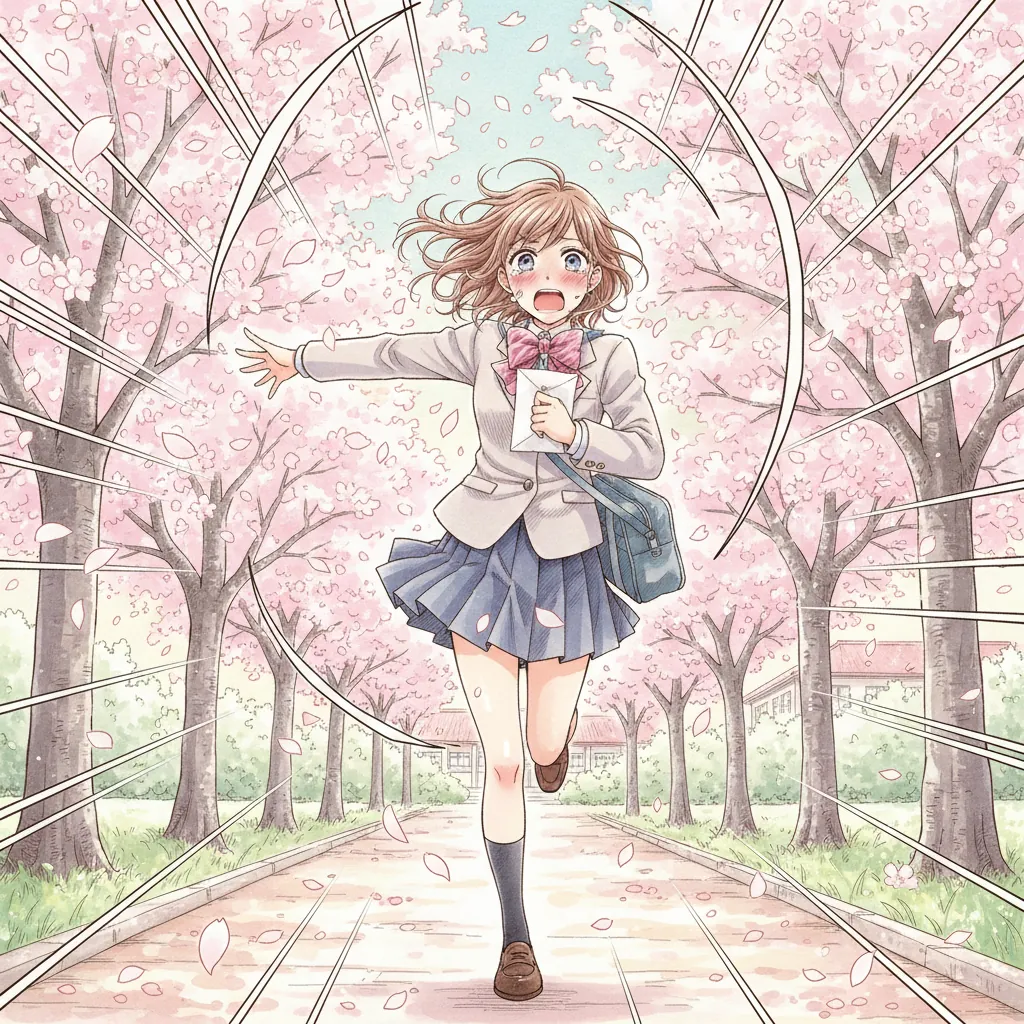
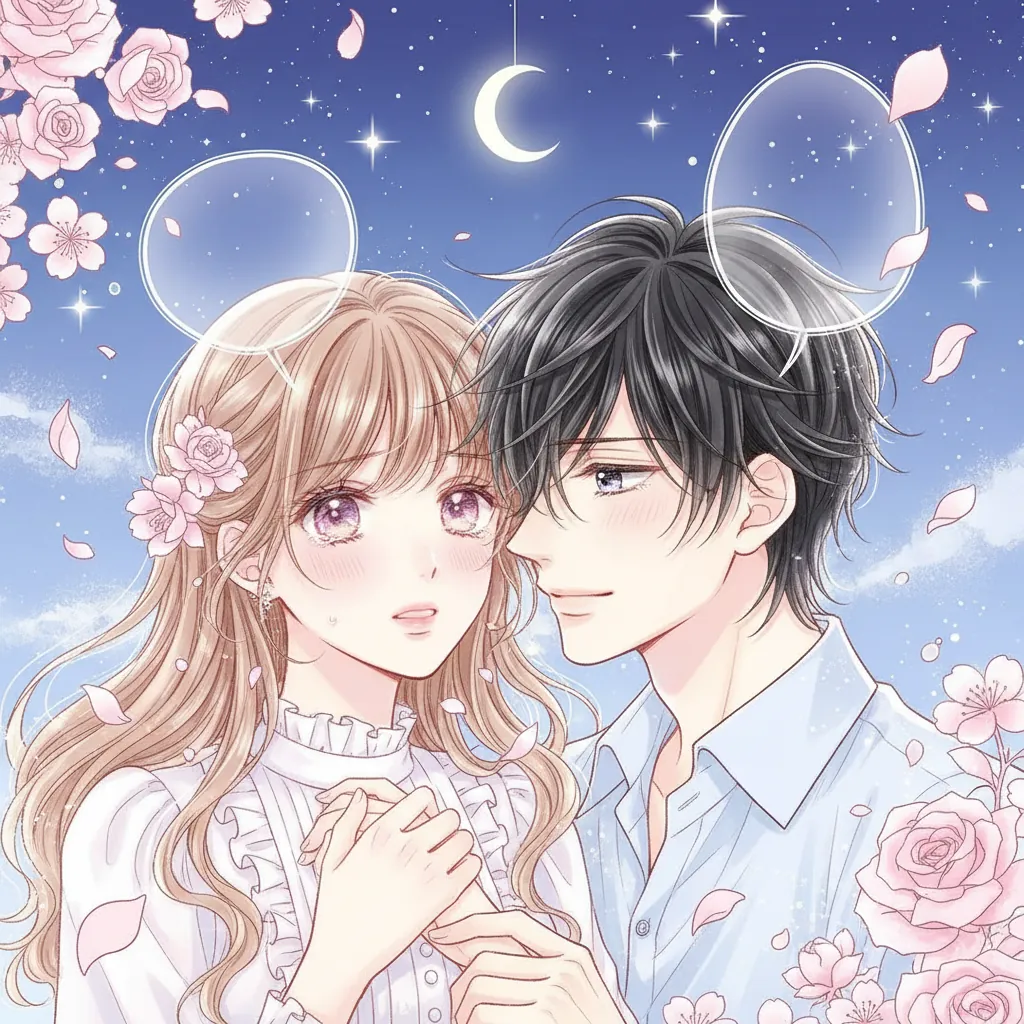
Romance manga has a visual language so specific that readers recognize a shojo panel from across a room. The delicate linework, the oversized eyes, the scatter of flower petals or sparkle effects around an emotionally charged moment — these visual conventions are not decorative flourishes. They are the grammar through which shojo manga communicates interior emotional states that realistic art would struggle to render. Comistitch’s AI romance manga generator applies this grammar to original stories, producing panels that read as authentically shojo rather than generically manga.
Why Romance Manga Has Its Own Distinct Visual Grammar
Shojo manga and romance manga more broadly developed a set of visual conventions that reflect a fundamental storytelling priority: emotional interiority matters more than external action. Where shonen manga optimizes for kinetic action — impact frames, speed lines, power escalation visuals — shojo manga optimizes for the internal experience of feeling something.
The large, detail-rich eyes that define shojo character design are an expression of this priority. Eyes in shojo manga contain highlights, depth layers, and subtle reflection details that make them almost photographic in their complexity — because the eyes are where the emotion lives. A character’s face in a shojo panel can communicate hope, dread, dawning realization, and suppressed longing simultaneously, through the precise combination of eye highlight position, eyebrow angle, and mouth tension.
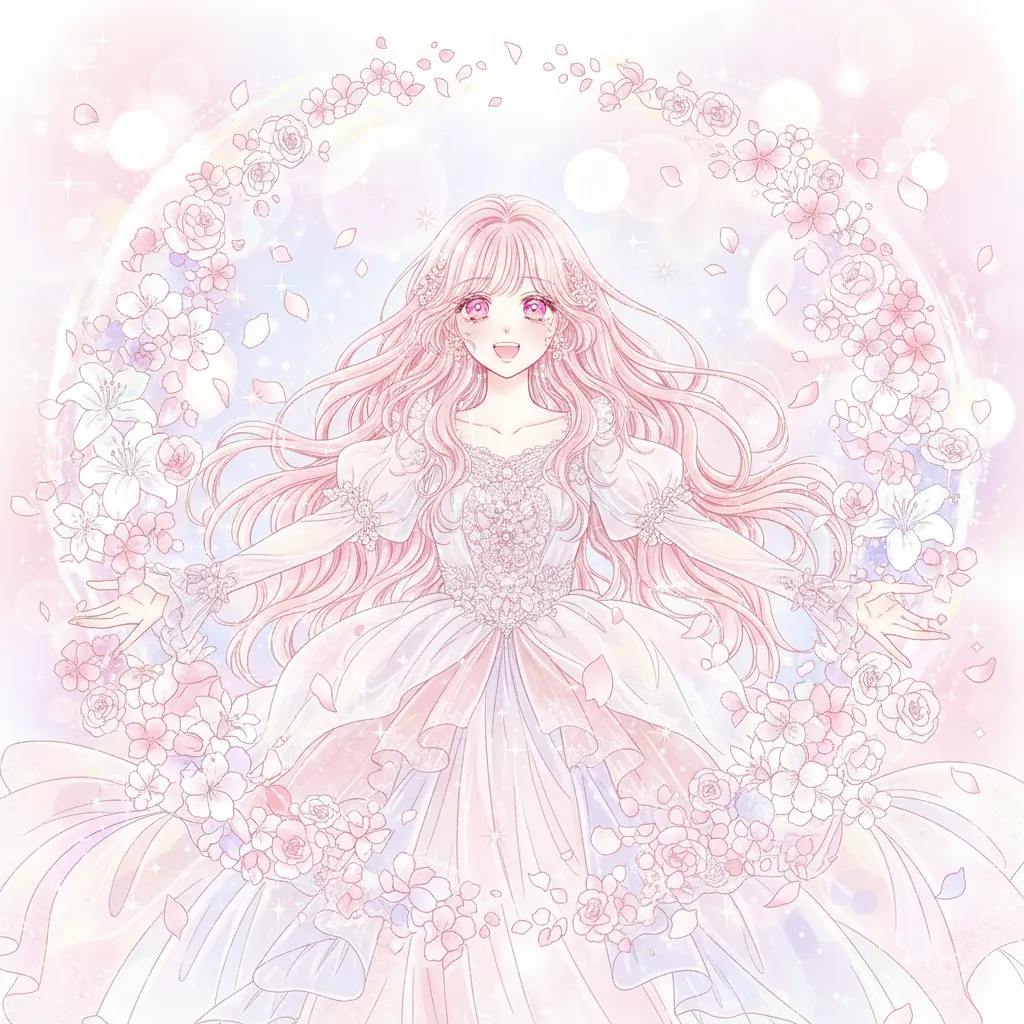
Decorative background elements — the flowers, the sparkles, the soft-focus tonal washes — serve a narrative function. They mark emotional peaks visually, telling the reader that this moment matters more than the surrounding panels. When a character is surrounded by cherry blossoms in a manga panel, the blossoms are not describing the setting — they are describing the emotional register of the moment, the fragility and beauty and transience that the character is feeling.
Scene composition in romance manga is built around specific iconic moments that the genre has developed over decades of serialization: the library encounter where two characters reach for the same book, the umbrella-sharing scene, the wrist-grab in the hallway, the rooftop confession against a sunset sky. These compositions carry narrative weight because readers recognize them — they know what this kind of panel means in the genre’s visual vocabulary.
How Comistitch Generates Romance Manga
Comistitch’s romance manga model is specifically calibrated to the emotional and aesthetic priorities of the genre.
Shojo proportion and linework. The shojo character model applies gender-appropriate proportion adjustments: slightly elongated necks, softer jaw angles, and the large-iris eye design that defines the style. Linework is thinner and more delicate than action manga — the AI uses a finer line weight preset for romance scenes and reserves heavier inking for emphasis moments.
Emotional expression nuance. When we tested subtle emotional expressions in Comistitch’s romance manga mode — specifically the half-smile that conceals nervousness, and the wide-eyed expression that signals dawning romantic awareness — we found that including a psychological note alongside the physical description improved expression accuracy significantly.* Prompts like “she realizes she’s been hoping he would stay, but tries to look casual” produced more nuanced results than simple emotional labels.
Decorative element intensity control. Shojo backgrounds exist on a spectrum from subtle (a few background flowers in soft focus) to full treatment (full-panel flower wash with sparkle overlay). Comistitch lets you set the decorative intensity per scene, so emotionally peak panels get the full visual treatment while transitional scenes stay clean.
Iconic scene recognition. Describe a rooftop sunset, a library encounter, a rain-caught-without-umbrella situation, or a festival fireworks scene — Comistitch recognizes these genre-specific romantic setups and composes panels with the visual weight they carry in the romance manga tradition. The camera angles, character positioning, and environmental detail all shift to match the scene archetype.
Multi-character consistency for romantic leads. Romance manga lives or dies on whether both romantic leads look consistently themselves across dozens of scenes. Comistitch maintains two simultaneous character card references when generating scenes with both protagonists present — the most demanding consistency scenario, especially when characters are physically close to each other.
Popular Genres and Use Cases for Romance Manga
Romance manga covers a wide narrative and demographic range.
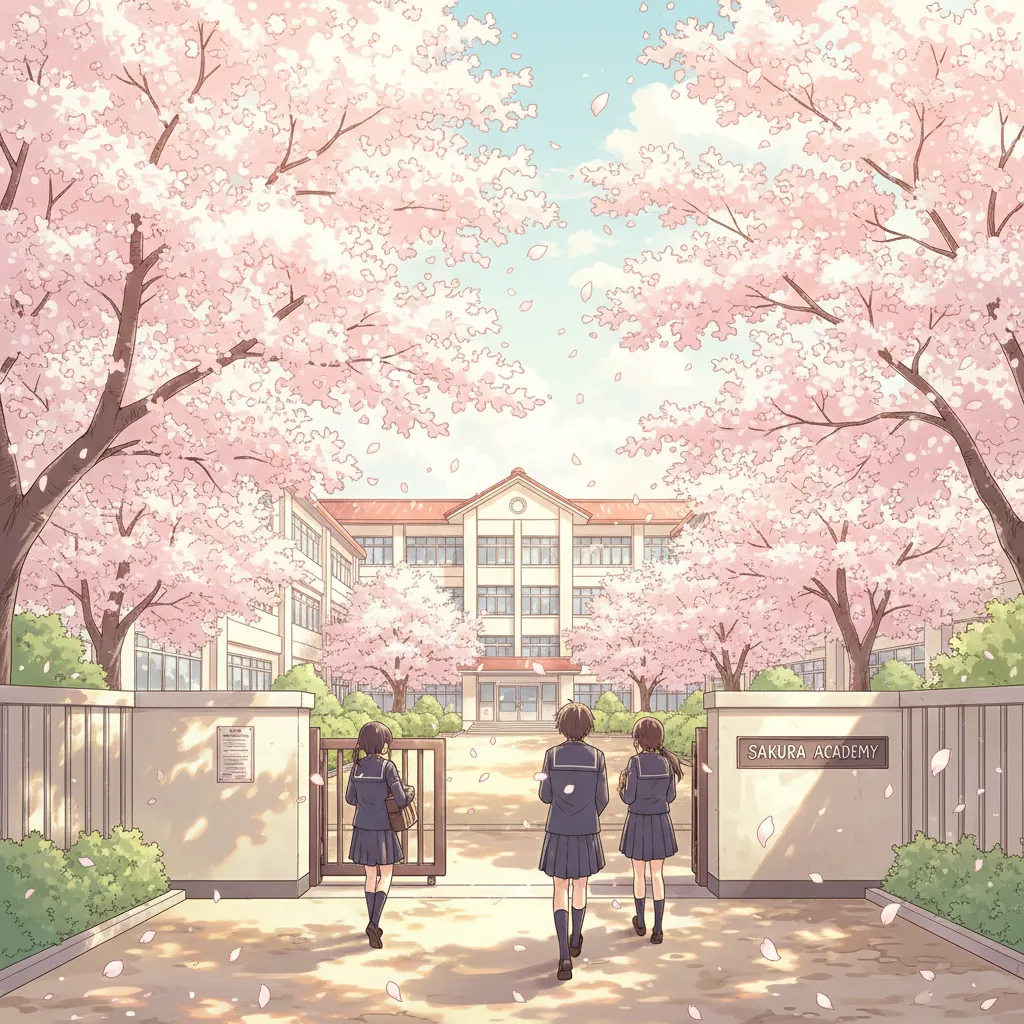
School romance. The foundational romance manga setting: classroom friendships that deepen, cultural festivals, graduation confessions. School settings are fully supported in Comistitch — classrooms, rooftops, school gates at golden hour, gymnasium scenes during cultural festivals. The social hierarchy dynamics of Japanese school settings (class representative, student council, sports clubs) can be encoded as character relationship context.
Adult and workplace romance. Josei manga — romance manga aimed at adult women — often centers on workplace settings: offices, hospitals, kitchens, law firms. The emotional dynamics shift from youthful uncertainty toward more complex adult relationship questions. Comistitch’s office and professional environment generation handles these settings with appropriate visual detail.
Historical romance. Meiji-era Japan, the Heian period, or analogous historical European settings are popular romance manga backdrops. Costume detail and architectural accuracy in historical romance settings depend on specific descriptions — kimono style, architectural period, social context — that Comistitch incorporates from your scene descriptions.
Fantasy romance crossover. A significant portion of modern romance manga incorporates fantasy or supernatural elements — the love interest is secretly a vampire, a deity, or a reincarnated historical figure. Comistitch supports blending romance aesthetics with fantasy or supernatural visual elements, producing panels that read as romance-primary with genre-secondary visual accents.
Getting Started with Romance Manga on Comistitch
Romance manga in Comistitch is built around character relationship depth, not just visual style.
Step 1: Design both romantic leads with emotional specificity. Beyond physical appearance, write a character brief that includes personality traits, emotional barriers, and behavioral mannerisms. These notes inform expression generation throughout your story — a character described as “guarded and tends to look away when embarrassed” will generate differently in emotional scenes than one described as “openly expressive and prone to dramatic reactions.”
Step 2: Map your emotional arc before generating panels. Romance manga follows an emotional escalation structure: meeting, connection, complication, crisis, resolution. Map your chapter to this arc and identify the peak emotional moment — this is the panel that gets the full shojo decorative treatment. Generate peak panels with maximum decorative intensity settings.
Step 3: Generate scene sequences, then refine expression panels. Romance manga’s success depends on expression accuracy more than other genres. Generate full scenes first to establish composition, then reroll the page with the close-up expression if the emotional nuance isn’t quite right — Comistitch rerolls the whole page, and the previous version stays in your page history so you can revert. Close-ups benefit from more detailed prompt descriptions than wide shots.
Manga and manhwa account for approximately 55% of style selections on Comistitch,* with romance manga consistently among the most-used sub-styles — reflecting how strong the global demand is for AI tools that understand the specific visual conventions of East Asian romance comics rather than applying generic art generation.
Early user cohort estimates, Q1 2026. Refresh pending full analytics rollout.