
Updated April 2026
Fantasy comics face a specific production challenge that other genres don’t: the worlds they depict don’t exist, so every single visual element — the architecture of the castle, the design of the magic system’s visual effects, the anatomy of the dragon — must be invented from scratch and then held consistent across potentially hundreds of panels. That consistency burden has historically made fantasy one of the most demanding genres for comic artists. Comistitch’s AI fantasy comic generator addresses this problem with a world-building layer that sits beneath the panel generation itself.
Why Fantasy Comics Demand More from Visual Storytelling
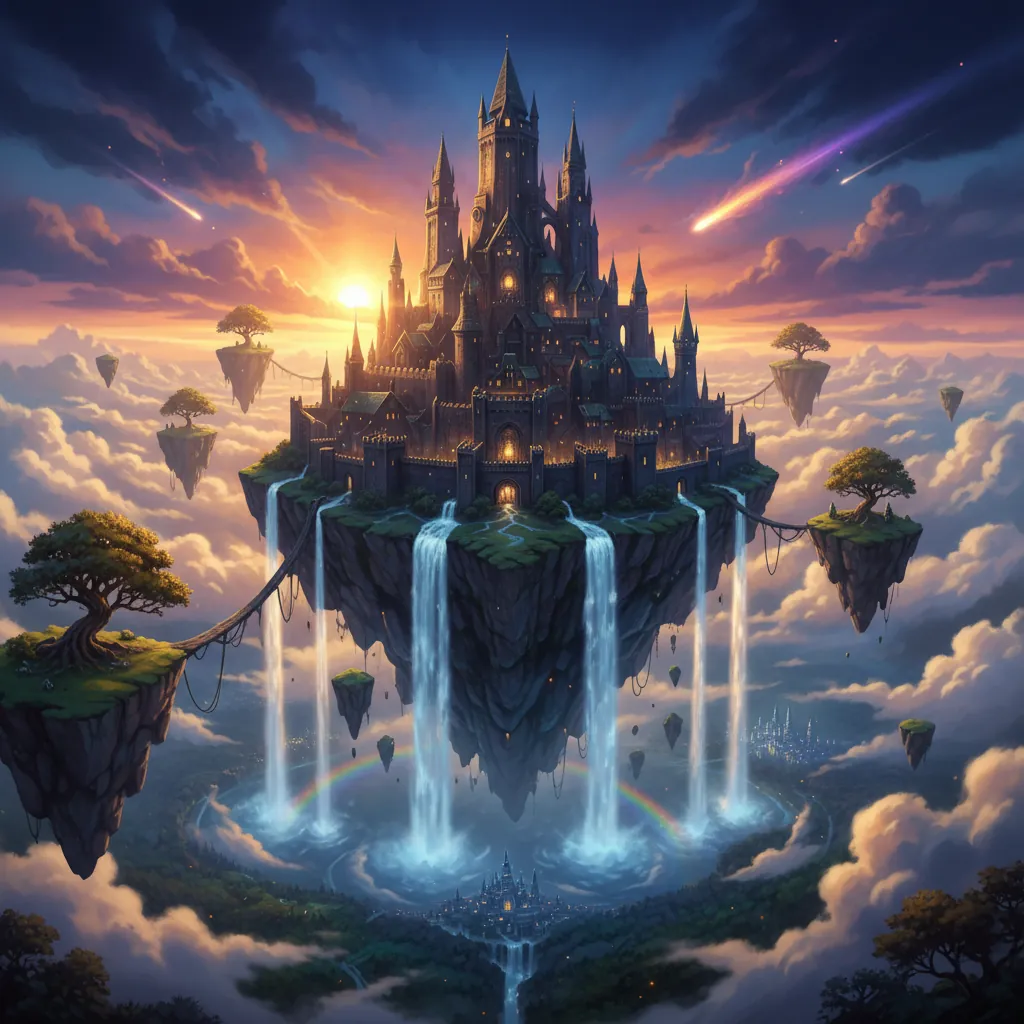
Fantasy storytelling asks readers to accept an entirely invented reality. Unlike contemporary fiction or crime drama — where the visual vocabulary of apartments, offices, and city streets is instantly recognizable — fantasy requires every environment to communicate its own internal logic. The reader looks at the castle and asks whether this is a wealthy kingdom or a fallen one. They look at the forest and ask whether it is ancient and dangerous or merely pretty. The art carries this world-building information whether or not any dialogue addresses it explicitly.
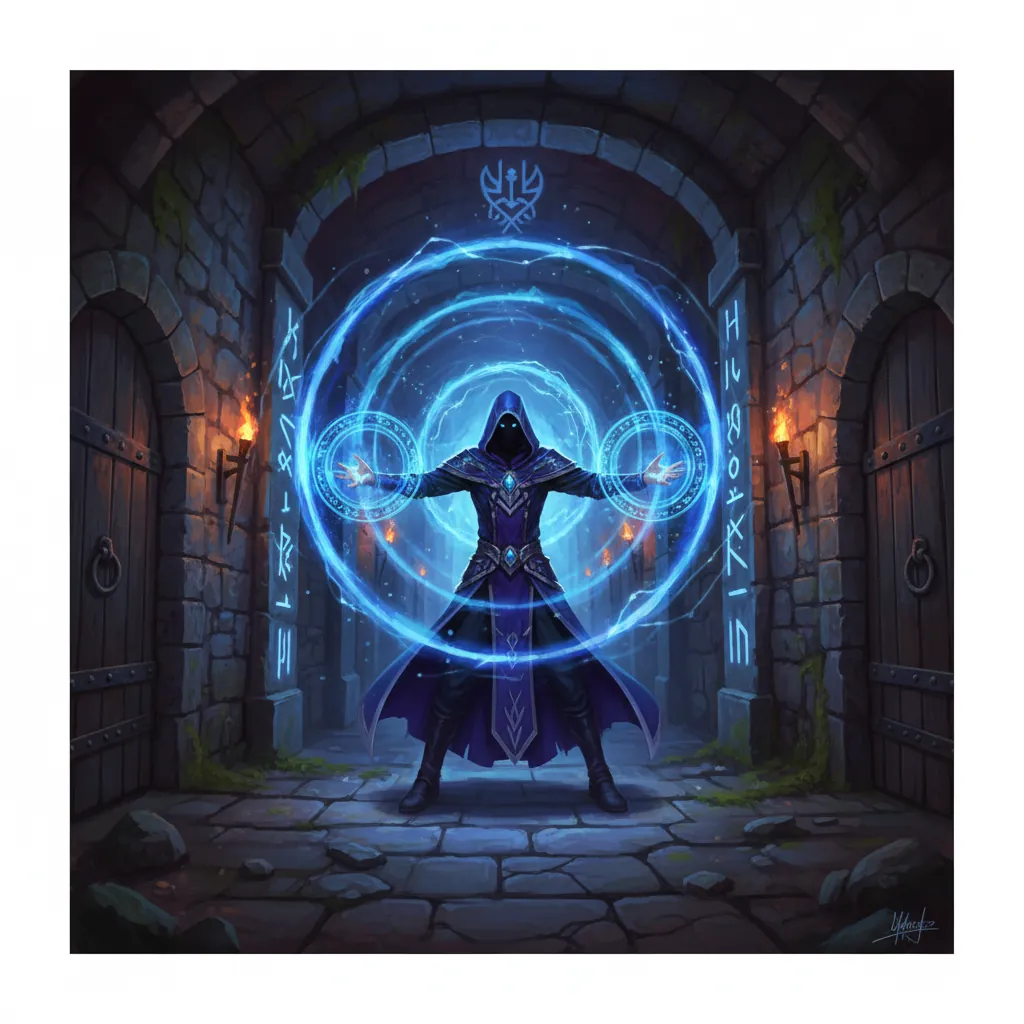
This is why background detail matters more in fantasy comics than in almost any other genre. A sparsely rendered dungeon corridor reads as unfinished. A fully realized dungeon — stone texture, torch brackets, water seepage marks on the walls, distant torchlight fading into darkness — communicates exactly the kind of space this is and what kind of story is likely to happen there.
Character visual design in fantasy carries similar weight. The warrior’s armor design signals culture, economic status, and fighting style. The mage’s robes carry information about which magical school or faction they belong to. A rogue’s practical dark clothing and utility belt communicate a different class identity than a ranger’s nature-colored leathers. In fantasy comics, costume is character exposition — and it needs to stay consistent across every scene.
How Comistitch Generates Fantasy Comic Panels
Comistitch’s fantasy generation model handles the depth of environmental and character detail that the genre requires.
Location card system. Before generating panels in a new location, you create a location card: a structured description of the setting’s visual key elements. When we built a six-location fantasy world in Comistitch — throne room, enchanted forest, underground dungeon, market town, wizard’s tower, and battlefield — and tested consistency across a 40-panel chapter, we found that location card references produced noticeably more coherent environmental details than scene-by-scene descriptions alone.* The stone color, architecture motifs, and lighting conditions stayed stable across all panels set in each location.
Creature generation with behavioral context. Fantasy creatures — dragons, golems, spirits, monsters — are generated from descriptive prompts that include both appearance and behavioral state. A dragon described as “coiled defensively over a treasure hoard, scales glinting in the firelight” generates differently than the same dragon described as “diving at full speed, wings back, breath weapon ready.” The behavioral context informs the pose, camera angle, and scene composition.
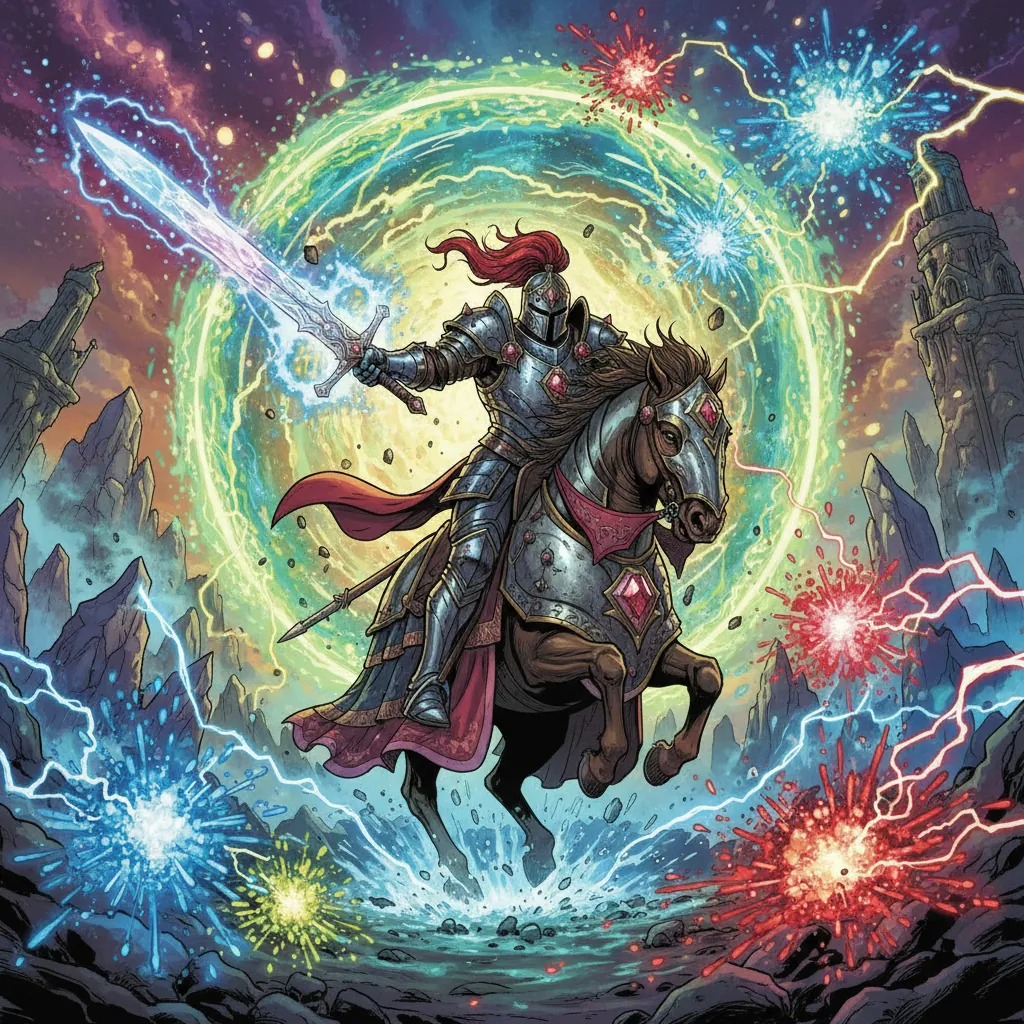
Magic effect rendering. Spell effects are handled as overlay elements on top of base scene art. Specify the magical school and visual character (fire magic reads differently than ice, dark void energy differently than holy light), and Comistitch generates the appropriate particle effects, glow halos, and energy burst frames that distinguish magic types visually within your world’s system.
Multi-style fantasy support. Western high fantasy produces bold-lined, painterly panels with saturated colors and wide compositions. Manga-style fantasy (isekai, Japanese light novel adaptations) uses the manga aesthetic with screentone shading and panel grammar. Comistitch supports both styles and allows mixing within a project — useful for stories that contrast mundane-world and fantasy-world scenes with different visual registers.
Battle scale composition. Large-scale fantasy battles require wide panels with crowd composition. Comistitch’s battle scene templates generate wide establishing shots with multiple fighter groups, then cut to medium and close-up panels that track individual hero actions within the larger conflict.
Popular Genres and Use Cases for Fantasy Comics
Fantasy is one of the broadest categories in fiction, and different sub-genres have distinct visual requirements.
High fantasy epic. The foundational fantasy mode: chosen hero, ancient evil, fellowship of companions, world-saving quest. High fantasy comics demand the fullest range of Comistitch’s world-building capabilities — multiple distinct cultures, large-scale conflict scenes, and elaborate magic system visuals. The series project format is essential here.
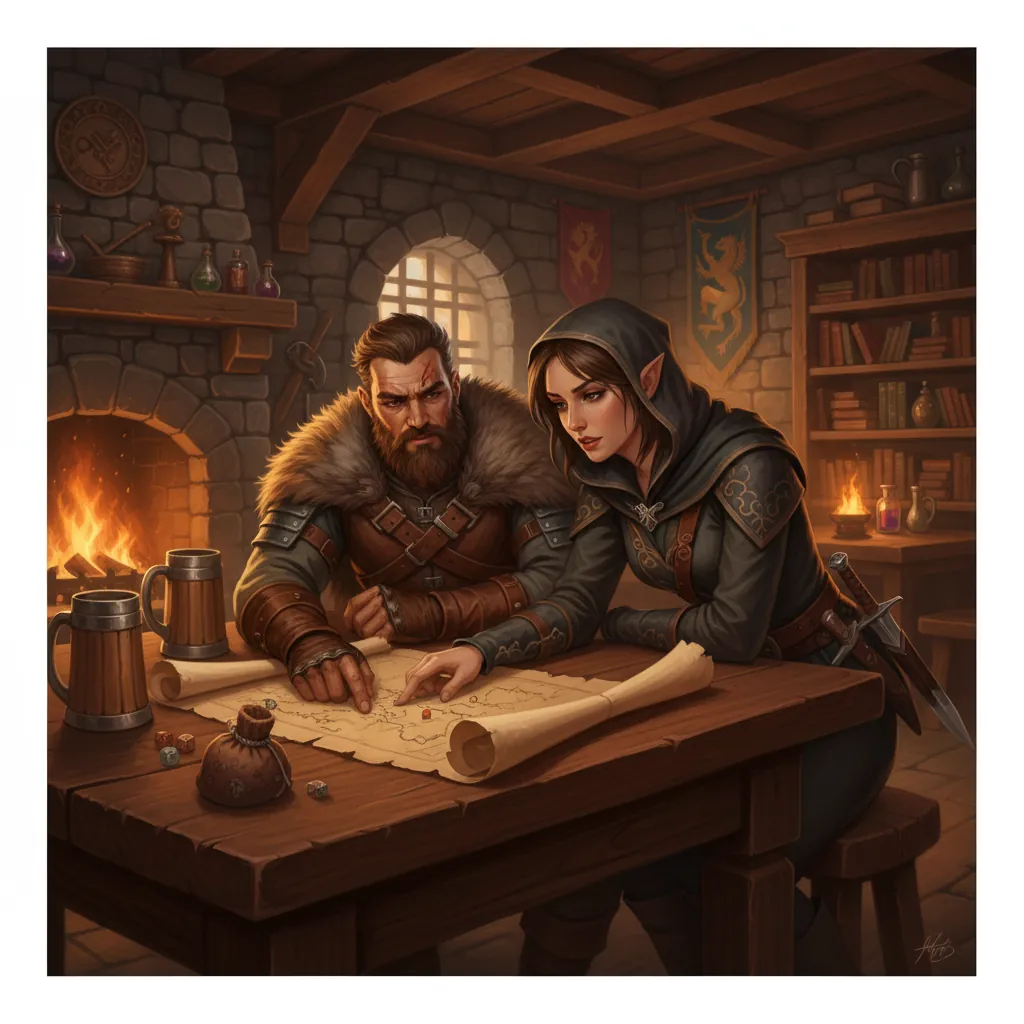
Low fantasy and political intrigue. Stories where magic is rare or absent and the conflict centers on human power dynamics — court politics, succession crises, mercenary allegiances. Low fantasy comics need detailed interior environments (throne rooms, dining halls, back rooms) and nuanced character expression more than spectacular magic effects.
Eastern fantasy traditions. Chinese xianxia (cultivation fantasy) and Japanese isekai (portal fantasy) both fall under the fantasy comic umbrella but have distinct visual conventions. Xianxia features flowing robes, spiritual energy visualization (qi/aura effects), and mountainous natural environments. Isekai often incorporates game-style status windows and RPG progression elements as visual devices. Comistitch handles both traditions.
Horror fantasy crossover. Dark fantasy — where the magical elements are threatening and the tone shifts toward horror — uses a different color palette and lighting model than high fantasy. Desaturated environments, corrupted magical effects, and creature designs that emphasize body horror rather than conventional monster aesthetics characterize this sub-genre.
Getting Started with Fantasy Comics on Comistitch
Fantasy comic production in Comistitch starts with world-building, not panel generation.
Step 1: Build your location and character cards. Spend time before generating any panels defining your world’s key locations and characters. Each location card should cover: architecture style and material, dominant color palette, primary light source and quality, and one or two signature visual details that make the location immediately recognizable. Character cards should cover: physical description, costume details, class-specific equipment, and emotional baseline expression.
Step 2: Outline your chapter structure. Fantasy chapters typically follow a scene-escalation-climax structure. Map your scenes to this arc before generating panels. Note which locations appear in each scene, which characters are present, and what the emotional beat of each scene is. This outline becomes your generation script.
Step 3: Generate scene by scene, reviewing environment consistency. Generate each scene separately and review how well the environmental details match your location card. Use the regeneration option for panels where the background detail falls short. Export the assembled chapter once all panels pass your consistency review.
The average Comistitch project contains about 12 panels,* but fantasy series projects consistently run longer — many users report building multi-chapter arcs where the world-building investment in the early chapters pays off across dozens of subsequent scenes.
Early user cohort estimates, Q1 2026. Refresh pending full analytics rollout.