
Updated April 2026
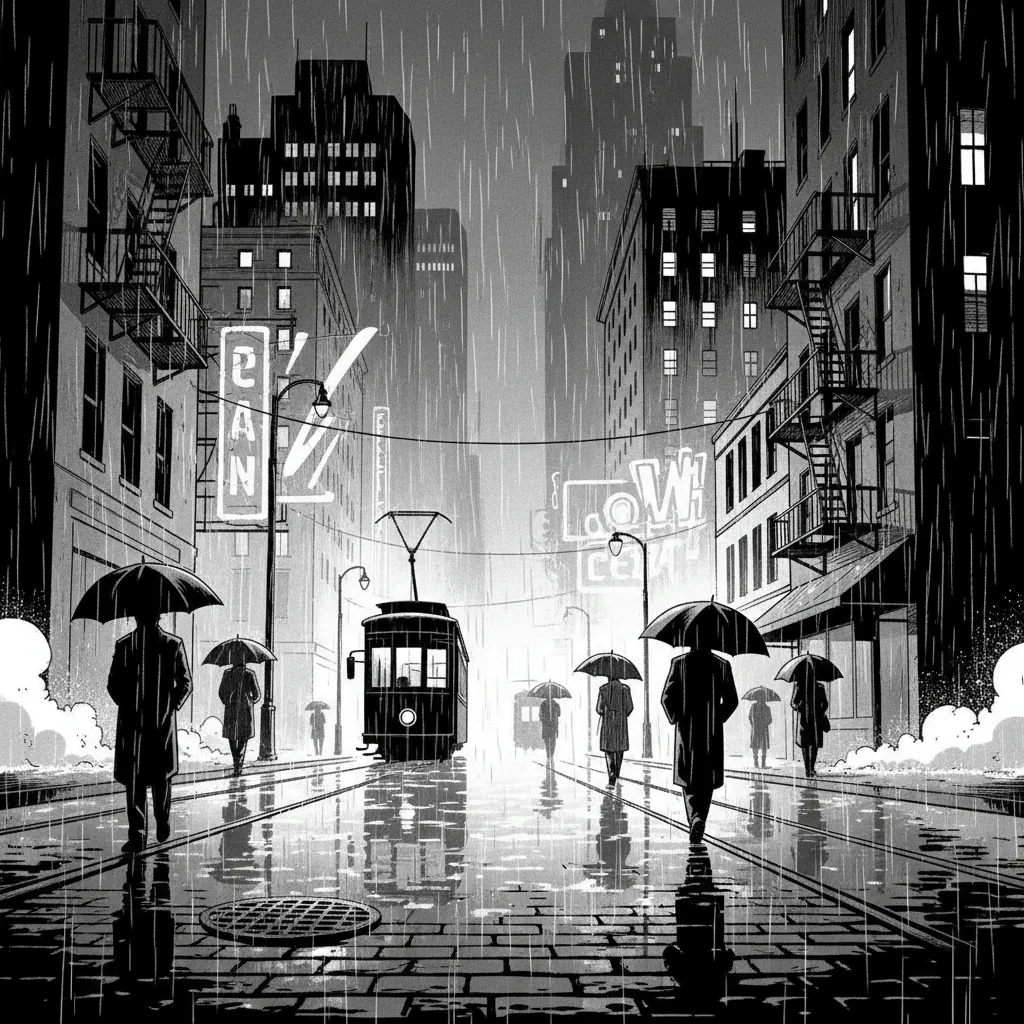
Noir is a style built entirely on what you don’t show. The face half-lost in shadow. The figure silhouetted against a lit window. The rain-slick street reflecting neon signs that never appear directly in frame. This economy of revealed detail — the deliberate withholding of full visual information — is what makes noir so effective as a storytelling mode and so difficult to reproduce manually. Comistitch’s AI noir comic generator encodes these techniques at the level of panel composition, not as a filter you apply after the fact.
Why Noir Comics Work Differently from Other Styles
The formal roots of comic noir lie in two places: the black-and-white crime pulp magazines of the 1930s and 1940s, and the shadow-heavy cinematography of classic film noir. The crossover between these influences produced a comic style with a distinctive set of visual rules that differ sharply from manga, superhero, or indie comics conventions.
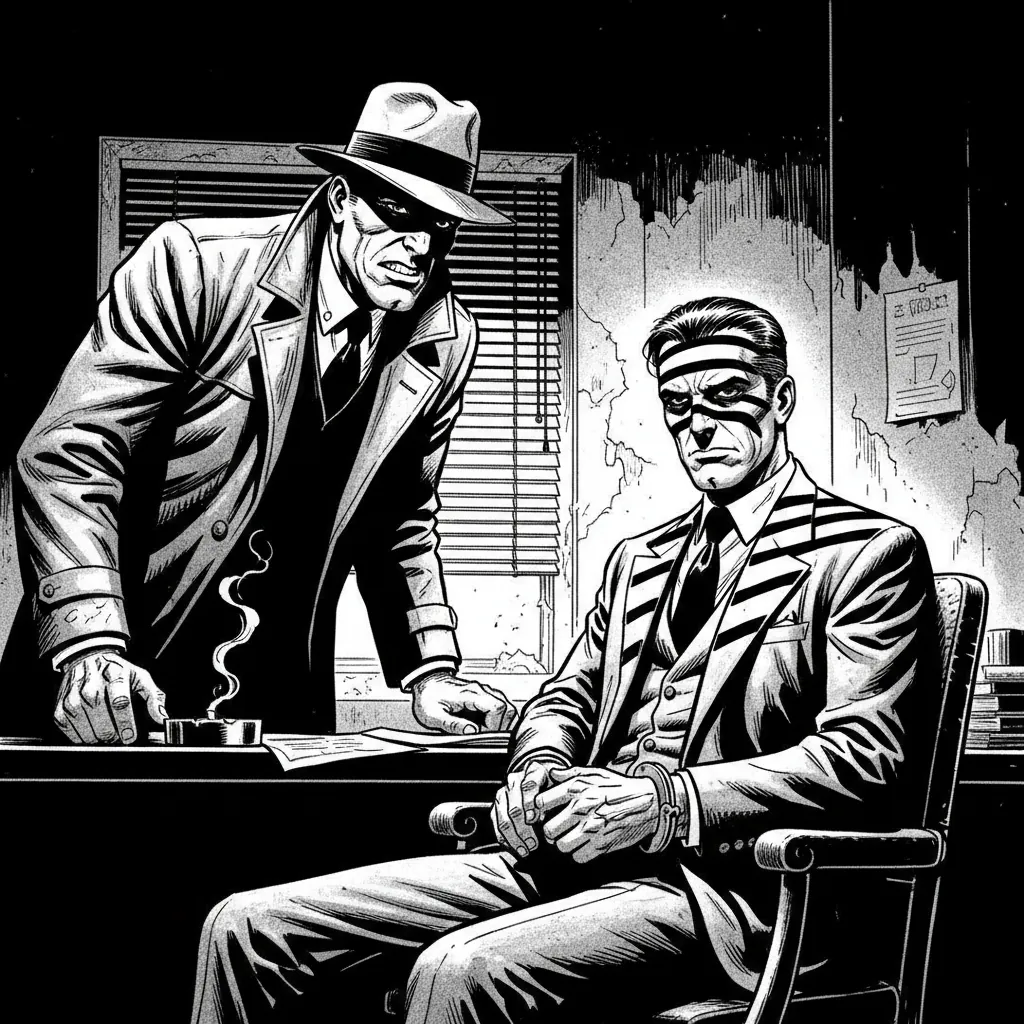
The fundamental rule of noir composition is that shadow carries more information than light. A face fully lit is neutral; a face with shadow stripes across it communicates danger, duplicity, confinement. This is why interrogation scenes in noir comics almost always show the light source as a single overhead bulb casting hard downward shadows — the composition does the psychological work before any dialogue starts.
Depth-of-field staging is another noir convention. Foreground figures are often in shadow while background environments are more detailed and lit — reversing the typical compositional hierarchy of other comic styles where the focal figure receives the most visual elaboration. This reversal creates a sense of surveillance, of figures being watched within their environments.
The narrative caption box is a noir-specific device. First-person hardboiled narration — “She walked in at quarter past midnight, and trouble was already two drinks ahead of her” — runs in rectangular boxes separate from the scene, creating a layer of commentary between the reader and the action. This dual-channel storytelling (what we see, what the narrator thinks about what we see) is central to the genre’s psychological texture.
How Comistitch Generates Noir Comic Panels
Comistitch’s noir mode operates with a fundamentally different lighting model than the bright-palette styles it also supports.
Hard-light shadow generation. The noir preset forces a single dominant light source per panel — overhead, lateral, or backlit — and fills shadow areas with near-black values. When we generated a twelve-page noir chapter in Comistitch and specifically tested the shadow depth controls, we found that the maximum shadow intensity setting produced work that read as authentic to the black-and-white pulp aesthetic, rather than the grey-washed look that generic monochrome filters tend to produce.*
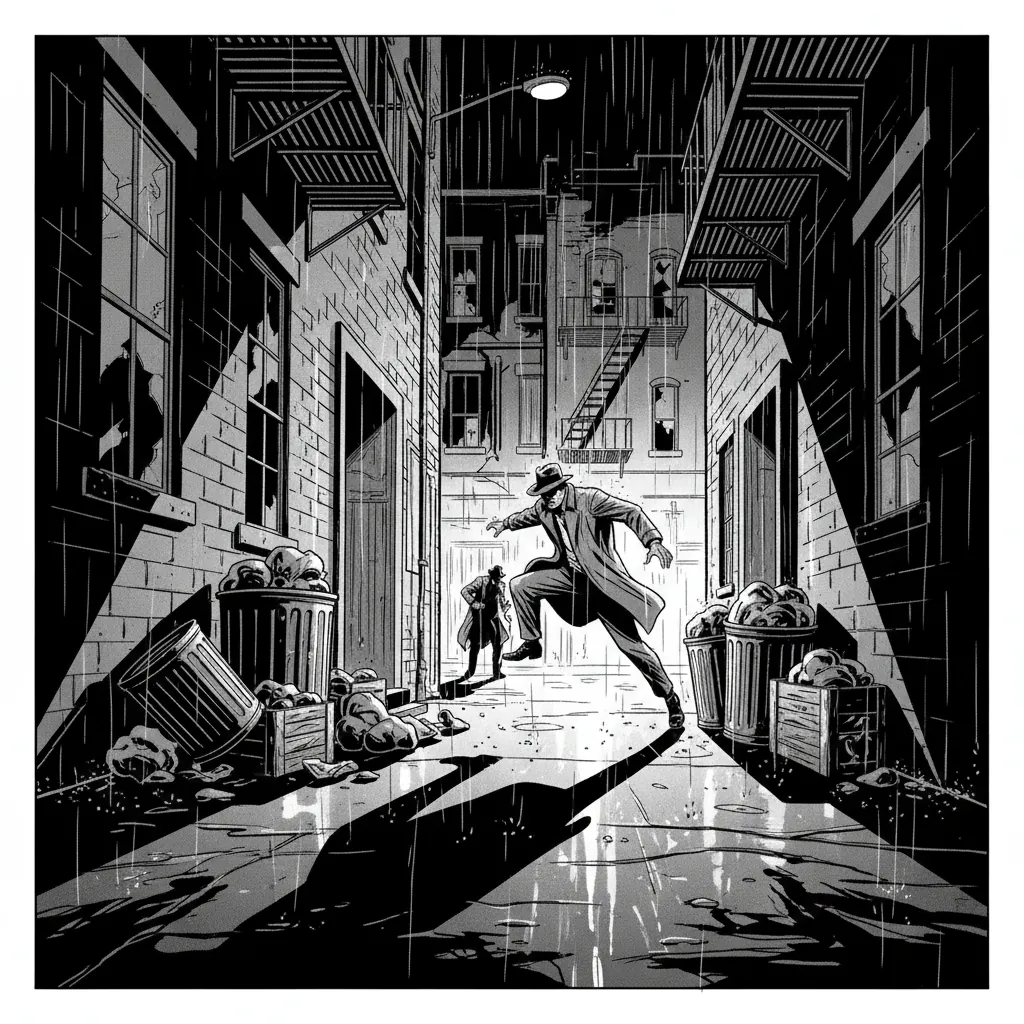
Diagonal composition bias. Noir panels use diagonal lines — fire escapes, rain streaks, venetian blind shadows, staircase angles — to create visual tension. Comistitch’s noir composition model builds diagonal elements into scene staging when you specify environments like offices, apartments, alleys, or interrogation rooms.
Silhouette and rim lighting. Characters standing against light sources (windows, doorways, street lamps) are rendered as silhouettes with a thin rim of light defining the outline. This creates the “figure in the doorway” panel type that is among noir’s most recognizable compositions.
Selective color support. The neo-noir variant allows a single hue to appear in an otherwise monochrome scene. Comistitch handles this as a deliberate design decision — you specify “selective red” or “selective blue” and the AI renders the designated element in color while keeping the rest of the scene black-and-white.
Caption box layout. Narration text entered in your scene script appears in rectangular caption boxes. Comistitch positions them according to reading flow — top of panel for setup narration, bottom for punchline or transition narration — following the layout conventions of classic crime comics.
Popular Genres and Use Cases for Noir Comics
The noir aesthetic is versatile enough to apply across several distinct story types.
Classic hardboiled detective fiction. The private eye with a troubled past, the client who is lying about something, the case that goes deeper than it looked. Classic noir story structure translates directly to comic page structure: one revelation per chapter, escalating stakes, a morally compromised resolution.
Neo-noir crime. Modern crime stories — corporate fraud, digital blackmail, organized crime in contemporary cities — use the same shadow-heavy visual grammar with updated environmental details. Comistitch’s neo-noir preset applies the lighting model to modern office buildings, contemporary urban spaces, and digital-era crime scenes.
Psychological thriller. Noir technique works for stories that are more internal than procedural — an unreliable narrator, paranoia, identity confusion. The shadow-face convention communicates psychological distress directly through composition without requiring expository dialogue.
Period espionage. Cold War spy stories, wartime intelligence operations, and colonial-era crime dramas all fit the mid-century noir aesthetic. Comistitch’s period detail generation handles the environmental cues — rotary phones, manual typewriters, period-specific vehicles — that establish historical setting.
Getting Started with Noir Comics on Comistitch
Creating a noir comic in Comistitch is a process that rewards deliberate scene description.
Step 1: Establish your setting and era. Decide whether you’re working in classic mid-century noir, neo-noir contemporary, or a hybrid period. Write a one-paragraph setting brief that Comistitch will reference for environmental detail generation throughout the project.
Step 2: Write your scenes with lighting intent. Noir scene descriptions should include explicit lighting notes: “single overhead bulb”, “neon from the sign outside”, “backlit through rain-streaked window”. The AI uses these cues to set shadow direction and intensity for the entire panel.
Step 3: Generate and calibrate. Noir panels often benefit from regeneration passes to find the right shadow depth. Generate your first scene, review the contrast levels, adjust the shadow intensity setting if needed, then lock the visual settings for the rest of the chapter.
Over 14,000 panels have been generated on Comistitch,* with the noir and horror styles consistently drawing the most detailed user scene descriptions — reflecting how much environmental specificity matters to creators working in atmospheric rather than action-first genres.
Early user cohort estimates, Q1 2026. Refresh pending full analytics rollout.