
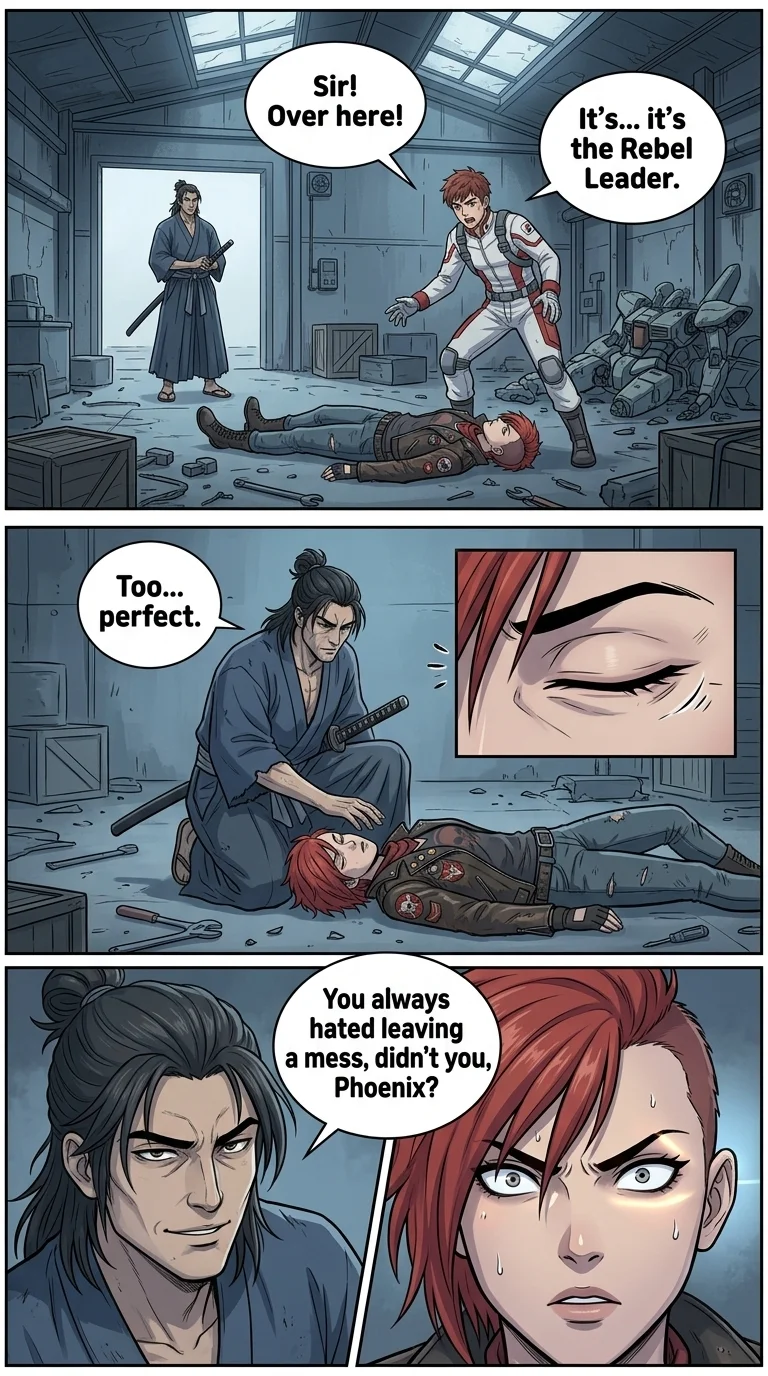
Comistitch’s AI manhwa generator turns a script into full-color Korean-style comic pages — describe your characters and scenes, and the AI renders vertical-scroll panels with consistent art across every chapter, no drawing skill or illustration background needed. Signup is free, with 100 credits and no credit card.
Manhwa — Korean comics (sometimes spelled manwha) — has traveled further from its origin country than perhaps any other regional comic tradition. On global digital platforms, manhwa titles consistently rank among the most-read series, often outpacing their Japanese manga equivalents in English-language markets. That reach is built on a distinctive visual style: full color, refined character design, and serialized storytelling that hooks readers across months of weekly episodes. Comistitch’s AI manhwa generator gives independent creators access to that production level without a studio behind them.
Why Manhwa Is Distinct from Other Comic Traditions
The surface difference is obvious: manhwa is full-color where traditional manga is black-and-white. But the more significant difference is cultural and narrative.
Korean comics developed a specific storytelling rhythm shaped by the portal-fantasy boom, where protagonists are reincarnated into fantasy kingdoms or game worlds and must apply modern knowledge to survive. This reincarnation-and-ascension arc, combined with detailed palace intrigue or office hierarchies, gives manhwa a dramatic intensity that differs from the shonen tournament arcs of Japanese manga or the superhero continuity sagas of Western comics.
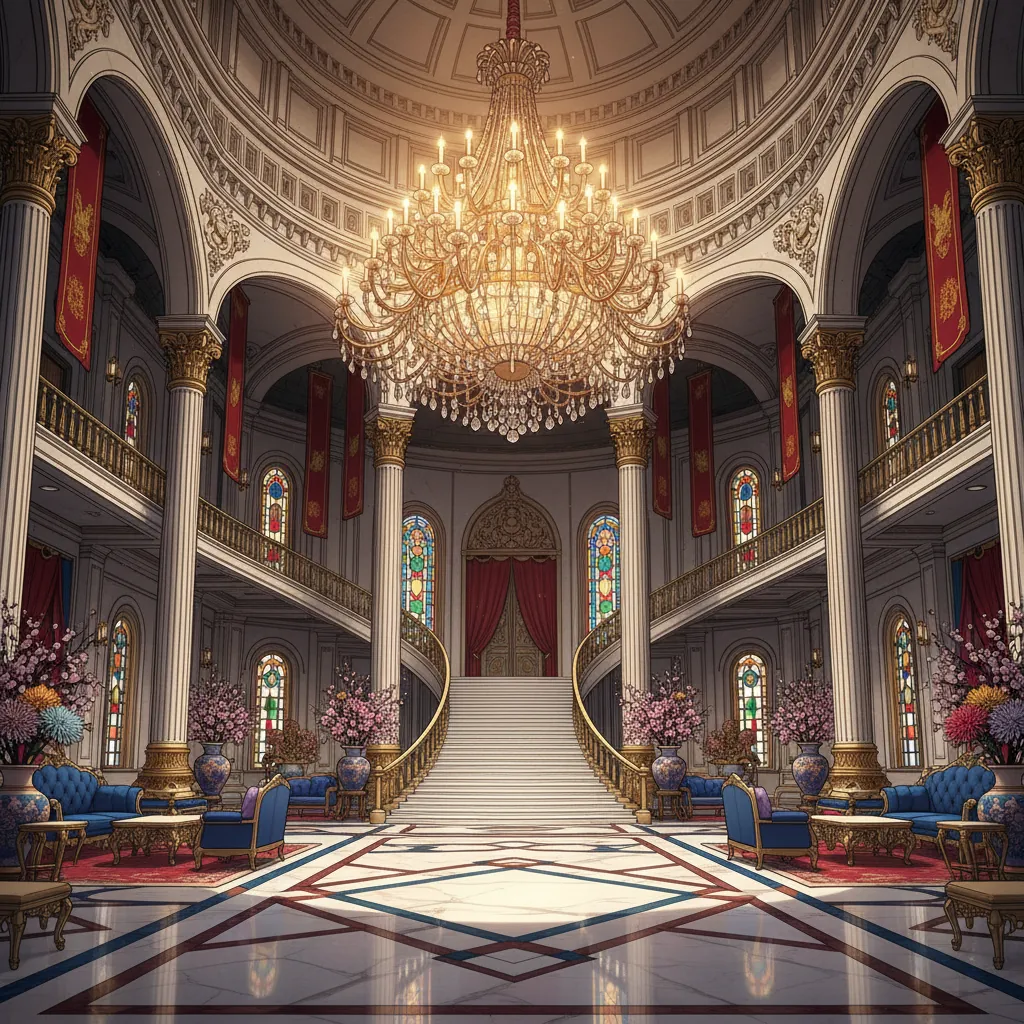
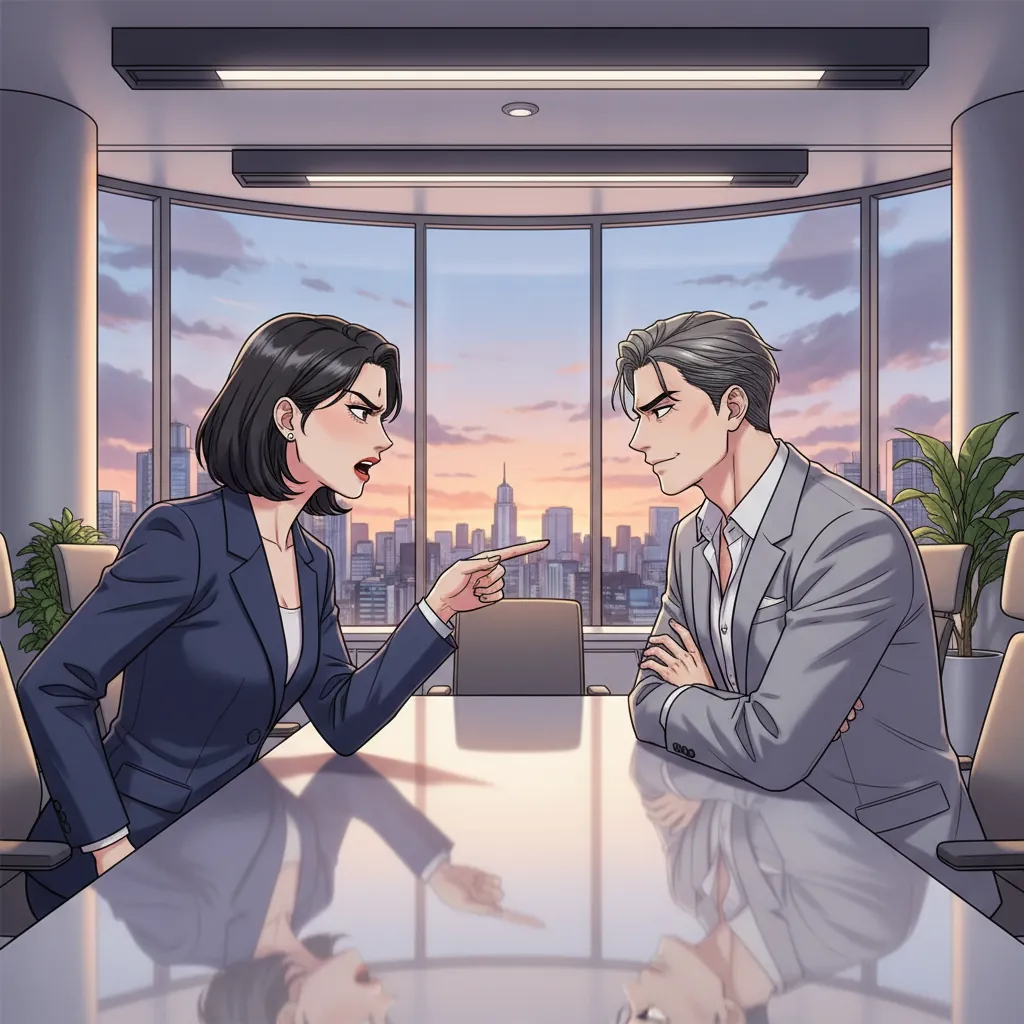
Character design in manhwa is another point of differentiation. Protagonists tend toward refined, almost delicate facial features — high cheekbones, detailed eye rendering, styled hair — with proportions that read as aspirational rather than exaggerated. Antagonists often follow recognizable visual archetypes that readers scan quickly: the cold-eyed rival, the scheming noble, the loyal supporting cast member. Background environments in popular manhwa receive more detail than comparable manga: fully rendered cafes, palace banquet halls, and corporate offices that establish social status through visual cues.
How Comistitch Generates Manhwa-Style Comics
Comistitch’s manhwa model is calibrated to the production conventions of mid-to-high quality Korean webtoon publishing.
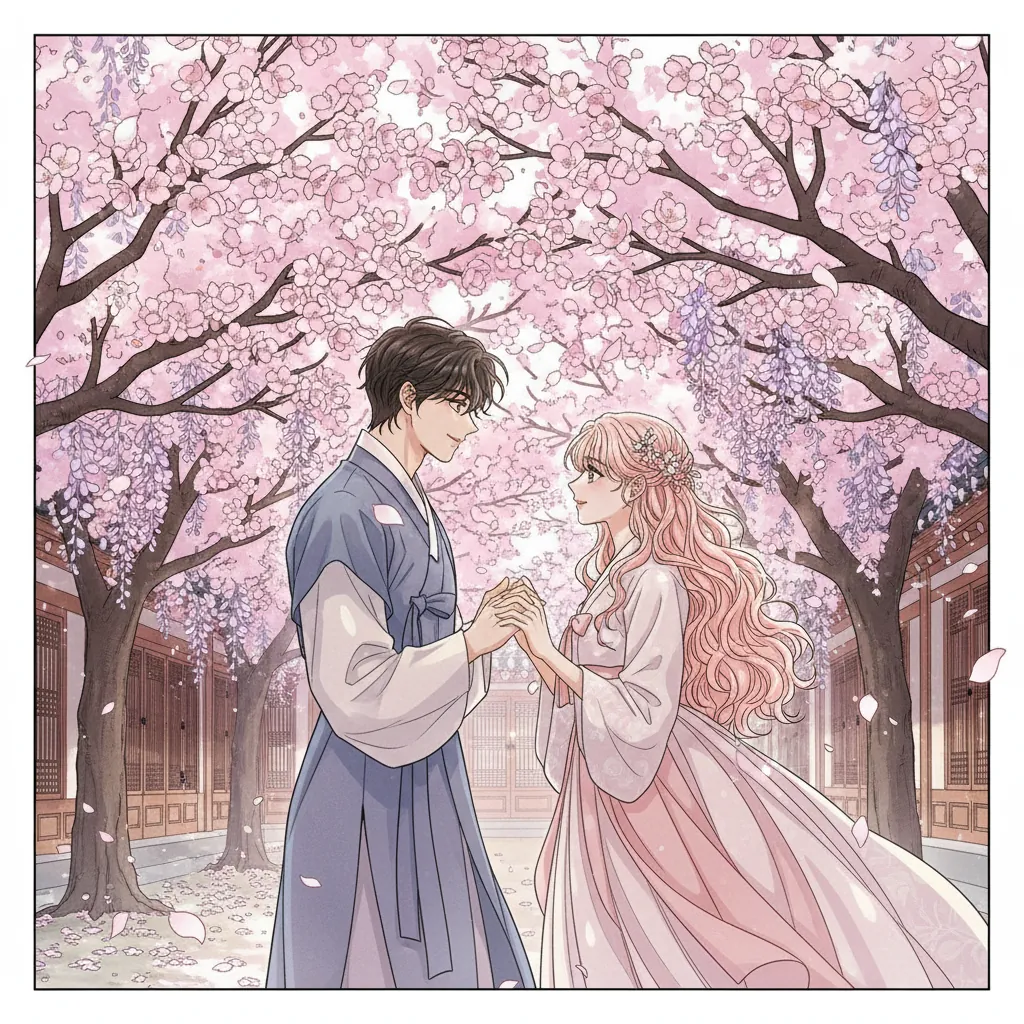
Full-color rendering. The style applies flat color fills with shadow passes and soft light edges, which gives manhwa its polished look without painterly complexity. Name the mood in your scene, cool for action and thriller, warm for romance and slice-of-life, and the palette follows.
Refined character faces. The manhwa style favors detailed eye highlights, styled hair and the slender proportions readers expect from Korean webtoon titles, where the manga style leans on bolder line work.
Rich backgrounds. Unlike the selective background minimalism of manga, manhwa often features fully detailed environments. Name the setting in each scene, a cafe, an office, a palace hall, and it is drawn behind your characters.
Emotional beats. Manhwa dialogue scenes rely on reaction close-ups: the wide-eyed surprise, the cold dismissal, the barely-suppressed smile. Describe the emotion in your scene and ask for the close-up, and it goes into the panel.
Left-to-right reading flow. Manhwa reads left-to-right, the same direction as Western comics, and the vertical layout places panels and speech bubbles to match.
Popular Genres for Manhwa Generation
Manhwa has developed genre-specific visual conventions that Comistitch’s presets are calibrated to support.
Romantic drama. The largest audience segment for Korean webtoon manhwa. Stories set in offices, schools, or modern urban environments with slow-burn romance arcs benefit from tight close-ups, subtle expression shifts, and color palettes that shift warm during emotionally charged scenes. Comistitch handles this tonal color work automatically.
Historical palace drama. A distinctly Korean genre where protagonists navigate court politics in historical Korea or analogous fantasy kingdoms. Costume detail, throne room compositions, and status-signaling visual hierarchies are all conventions Comistitch’s manhwa preset encodes.
Reincarnation and portal fantasy. Stories where the protagonist wakes up inside a novel, game, or historical period they recognize. Visual contrast between the “before” mundane world and the “after” fantasy setting is a storytelling requirement; Comistitch can apply different color grading to scenes set in different worlds within the same project.
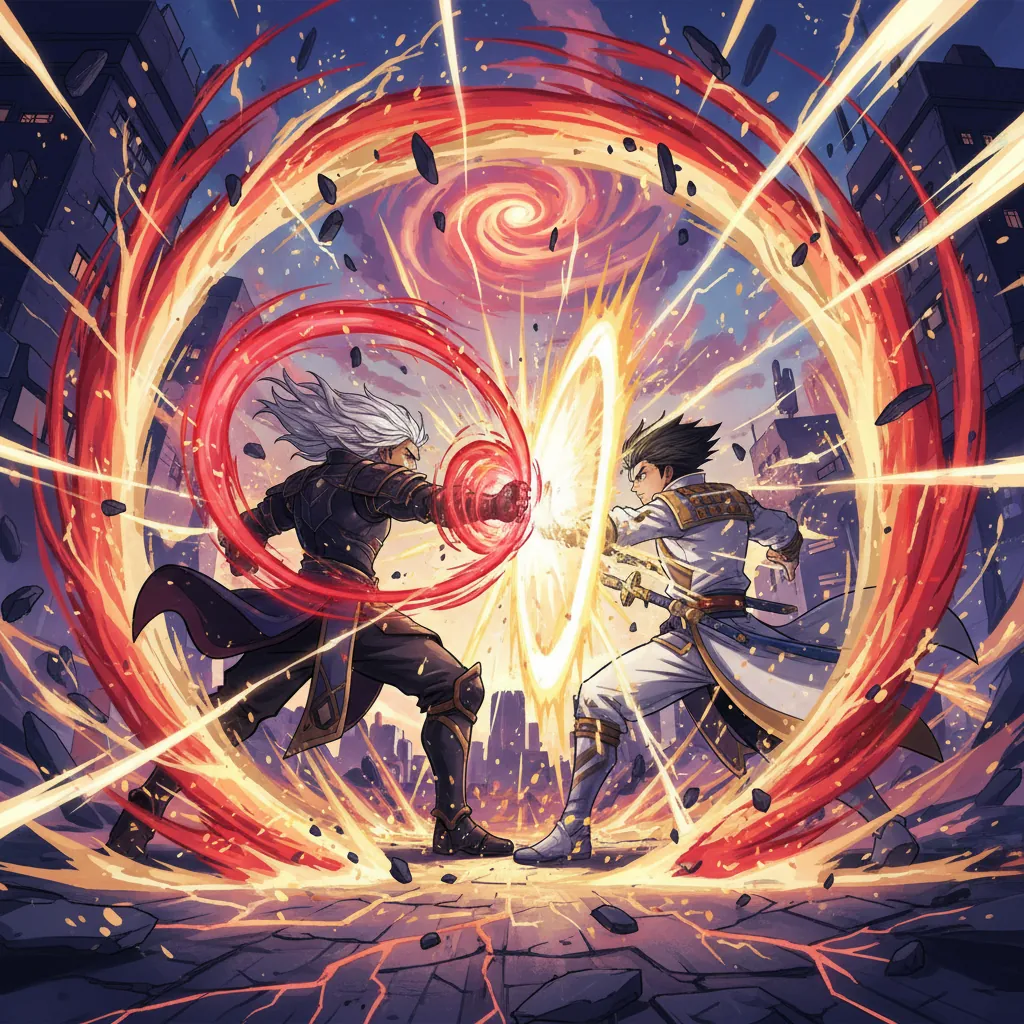
Action and martial arts. Korean martial arts manhwa has a strong readership base. Dynamic fight sequences with detailed motion staging and character power escalation (status bars, aura effects, dramatic power-up visuals) are supported in the action manhwa preset.
Getting Started with Manhwa on Comistitch
The three steps above are the whole workflow. A few details from each:
Characters first. Manhwa readers notice when a face changes. Give every main character a written description, or upload a reference photo, before generating any page. Comistitch keeps one reference portrait per character and reuses it in every scene. A reference photo copies the face and outfit only, not the pose or background.
Write the chapter as beats. Manhwa chapters follow a tight arc: setup, escalation, emotional climax, cliffhanger. Map each scene to one of those beats, then write what happens, the mood and the dialogue.
Generate, reroll, export. Review each page. If one misses the tone, reroll the whole page or just the panel that is wrong. Export as a PNG strip, a ZIP or a PDF, or as 800px Webtoon Canvas slices.
Tips for Manhwa Creators
Manhwa readers expect character designs to feel aspirational. Overly simplified or cartoonish character descriptions produce output that reads as mismatched to the genre’s visual conventions. Detailed character prompts — hair strand count, eye design, clothing texture — produce noticeably better results in the manhwa model. Don’t have a character concept yet? Start with the free OC generator to draft a full profile, then anchor it with a name from the manhwa character name generator.
Background richness matters more in manhwa than in many other styles. A bare background in a palace scene breaks immersion immediately, so name the setting and a few props in every scene prompt.
Cliffhangers drive serialization. The last panel of each episode should leave a narrative question open. Describe the emotional state and visual composition of your final panel explicitly — Comistitch will generate it with the dramatic weight the scene requires.
How Comistitch Compares to Other Ways to Make a Manhwa
Comistitch is an AI comic builder that turns a story idea into consistent-character manga, manhwa and webtoon pages. Most AI image tools stop at one picture per prompt, and a manhwa episode needs the same faces across dozens of panels. Here is how the options differ:
| Drawing it yourself | Single-image AI tools | Comistitch | |
|---|---|---|---|
| What you provide | Every panel, drawn | One prompt per picture | A story, or a full script |
| Same character on every page | Your drawing skill | You manage it by hand | One reference portrait per character, reused |
| Fixing one weak panel | Redraw it | Regenerate and re-edit | Reroll the page or a single panel |
| Cost to try | Time | Varies by tool | 100 free credits, no card |
- A story pipeline, not just art. Script, cast, page generation and vertical-strip export live in one workflow instead of five separate apps.
- Commercial rights on Elite, and on Starter or Pro billed yearly. Comistitch is the merchant of record and grants commercial rights on Elite (any billing cycle), and on Starter and Pro when billed yearly, so you can publish and monetize your manhwa.
Ready to try it? Signup is free, and you can upgrade when you are ready to serialize.