
Updated April 2026
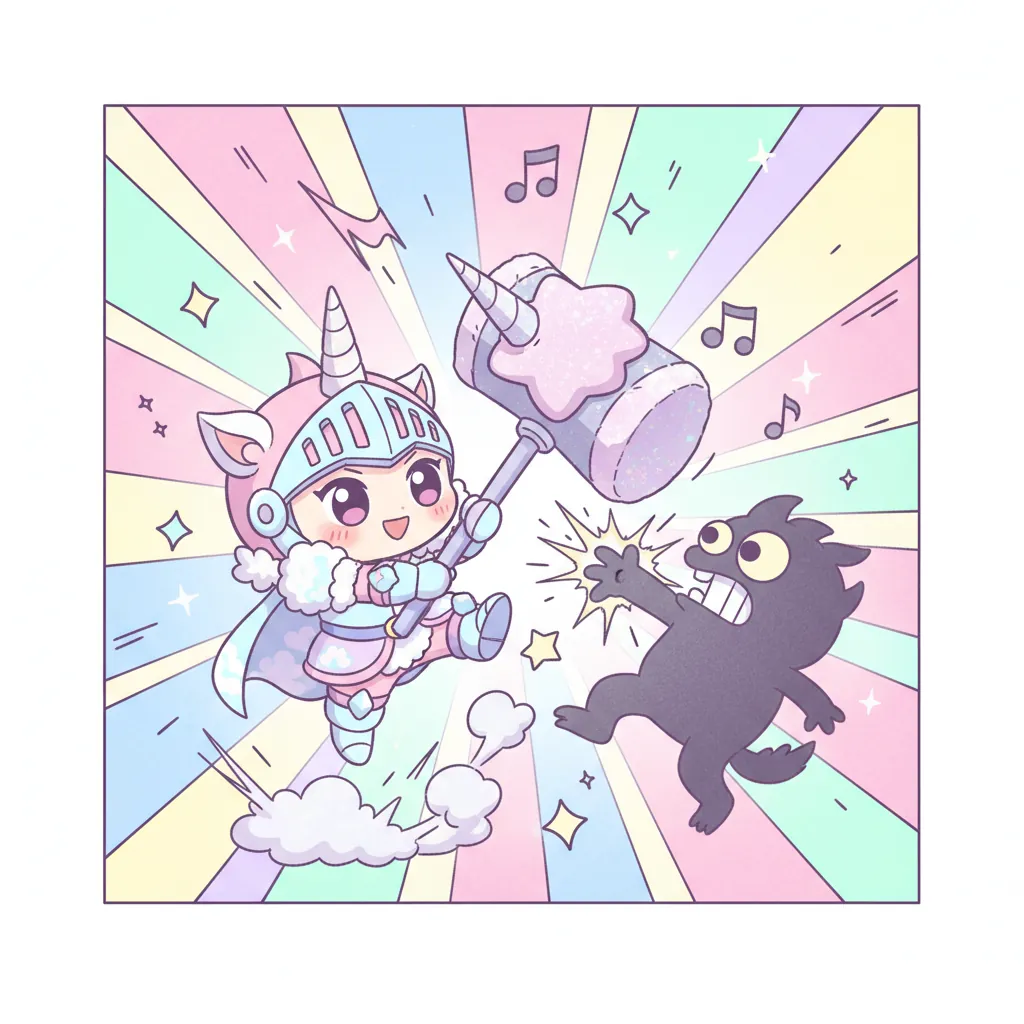
Chibi characters occupy a specific and beloved corner of manga culture. Their appeal is not simply that they are small or cute — it is that the super-deformed proportions strip a character down to their emotional essence. A regular character design expresses nuance; a chibi version of the same character expresses pure feeling. That expressive economy is why chibi art appears everywhere from manga gag strips to corporate mascots to LINE sticker packs. Comistitch’s AI chibi generator produces that specific visual register, not just scaled-down standard character art.
Why Chibi Style Communicates Differently from Regular Manga
The defining feature of chibi — the large head relative to the body — is not arbitrary. It reflects a fundamental truth about how humans process faces: we are wired to read facial expressions before we read body language. By enlarging the head and face while shrinking the body, chibi style maximizes the canvas for emotional expression while minimizing the complexity that would distract from it.
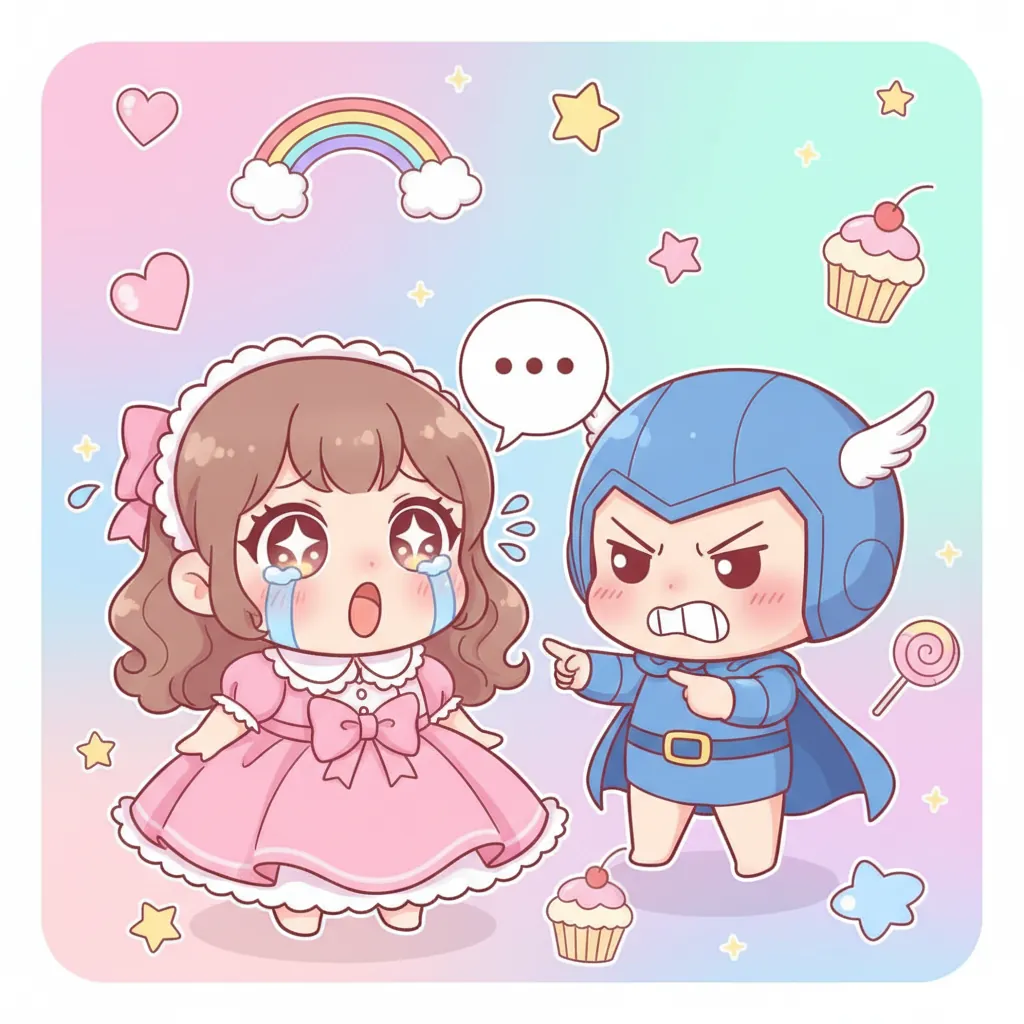
A standard manga character might have a head-to-body ratio of 1:6 or 1:7. A chibi character collapses that to 1:2 or even 1:1. The body becomes almost vestigial — short limbs, mitten-like hands, rounded feet — while the face expands to fill the visual field. Eyes become enormous, capable of conveying the full spectrum of manga reaction expressions. The result is a character that communicates its emotional state instantaneously, without requiring careful reading of subtle facial cues.
This is why chibi style is the natural language of comedic gag strips. The 4-panel yonkoma format, where a joke builds across four panels to a punchline, depends on rapid, clear emotional readability. A chibi character’s face tells you exactly what is funny before the dialogue confirms it. The style is also why chibi art translates into merchandise and stickers so well — the format requires no narrative context to be emotionally immediate.
How Comistitch Generates Chibi Art
Comistitch applies chibi anatomy rules at the generation level rather than running a post-process scaling operation on normal character art.
Proportion enforcement. The chibi preset locks a 2:1 head-to-body ratio across all character poses. This is a hard constraint, not a soft tendency — the resulting characters maintain consistent chibi proportions regardless of the pose or action described. When we generated a twelve-character chibi group shot in Comistitch, the proportion consistency across all characters in a single panel was noticeably better than what typical artistic shorthand tends to produce.*
Exaggerated expression library. The chibi model includes the full catalogue of manga reaction expressions in their super-deformed form: sparkle eyes for wonder, cross-shaped veins for anger, sweat drops for nervousness, spiral eyes for confusion, blush marks for embarrassment, and the flat face (tsukkomi) used as a punchline beat in gag comics. Specify the emotion in your scene description and the appropriate reaction renders automatically.
4-koma layout generation. The 4-panel vertical strip is generated with correct beat pacing: the first two panels establish the scenario, the third panel introduces the twist or setup for the punchline, and the fourth panel delivers the comedic resolution. Comistitch leaves appropriate gutter space between panels and adjusts panel height for the punchline beat — the fourth panel is often slightly wider or given more visual breathing room to land the joke.
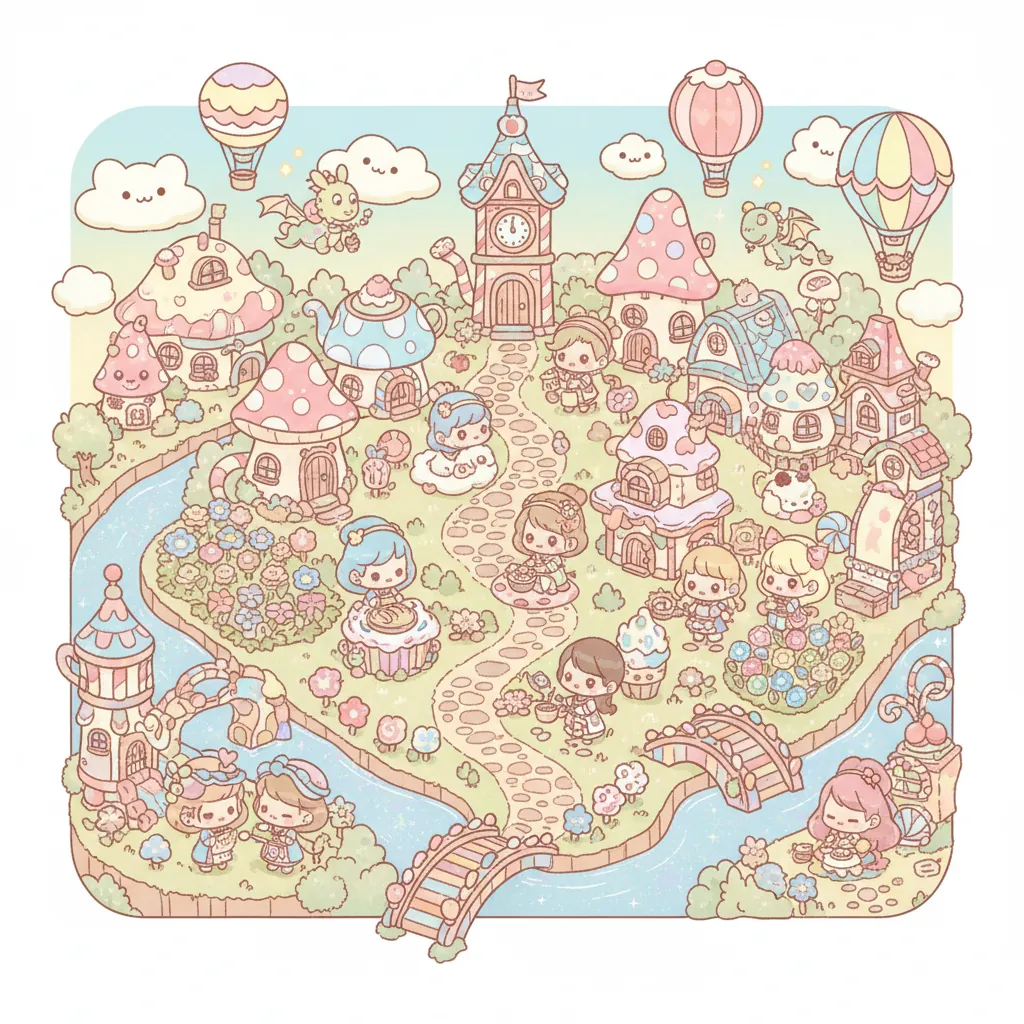
Pastel and bright color schemes. Chibi art typically uses a lighter, more saturated palette than dramatic manga styles. Comistitch’s chibi color preset applies pastel base tones with bright accent colors — the kind of palette associated with Japanese stationery goods and character merchandise.
Sticker-ready panels. Generate an individual chibi character panel against a plain background and export as PNG or WEBP — a clean, solid-color background crops easily for sticker packs, Discord emoji submission, or overlay artwork; Comistitch doesn’t generate an alpha-transparent cutout directly.
Popular Genres and Use Cases for Chibi Style
Chibi art serves a broader range of use cases than its cute reputation suggests.
Gag manga and comedy strips. The 4-koma strip is the most natural home for chibi characters. Short-form comedic webcomics about everyday situations — study life, workplace dynamics, fandom culture — work particularly well because the chibi style signals “this is a joke format” to the reader before they read a single word.
Character mascots and branding. Corporate mascots, brand characters, educational mascots, and game character icons often use chibi proportions because the style is immediately recognizable and emotionally accessible across age groups. Comistitch can generate chibi mascot designs from a character brief and produce multiple pose and expression variants.
Chibi versions of existing characters. Creators with existing character designs in other styles often want chibi variants for merchandise, social media content, or story segments that shift to a comedic tone. Comistitch generates chibi versions from character descriptions with the same underlying design — a useful asset without manual redrawing.
Sticker and emoji packs. The LINE sticker market, Telegram sticker packs, and Discord emoji slots have created significant demand for sets of 8–40 character expressions. Comistitch produces full expression sets from a single character brief, exported in the required dimensions for platform submission.
Fan art and personal projects. Chibi art is among the most popular formats in fan communities. Comistitch’s chibi generator gives fans a way to produce chibi art of their own original characters for personal use without illustration skills.
Getting Started with Chibi Comics on Comistitch
Three steps cover the full chibi creation workflow.
Step 1: Describe your character’s core design. Chibi characters need a clear visual anchor: hair color, signature accessory, costume color. The simpler and more distinctive the design elements, the more clearly they read at chibi scale. Avoid complex patterns or detailed costume elements — they lose definition at small body size.
Step 2: Decide what you’re building. A 4-koma strip needs a joke premise and punchline written into your script beats; a set of reaction panels for stickers or merch just needs one panel description per expression, reusing the same character reference each time so the design stays consistent.
Step 3: Generate and export. Review the generated panels, reroll any page that doesn’t capture the expression correctly, and export as PNG, WEBP, or PDF.
Approximately 38% of Comistitch creators try more than one art style in their first month,* and chibi is one of the most common second styles chosen by creators who started with manga or webtoon — reflecting how naturally the chibi style complements serialized story content as a companion format.
Early user cohort estimates, Q1 2026. Refresh pending full analytics rollout.