
Updated April 2026
Webtoon is no longer a niche format. The vertical-scroll, full-color, mobile-first comic style that began in South Korea now reaches hundreds of millions of readers globally through platforms like LINE Webtoon, Tapas, and Lezhin. For independent creators, breaking into that ecosystem has always meant either mastering digital illustration or paying for an artist. The AI webtoon creator in Comistitch changes that starting point.
Why Webtoon Format Is Different from Other Comics
Manga uses page-based grids read right-to-left. Western comics use double-page spreads and panel gutters. Webtoons do neither.
The defining trait of webtoon format is infinite vertical scroll. A reader swipes down through a single continuous strip — no page turns, no left-right orientation. This design decision was originally practical: Korean creators were uploading to portal sites like Daum and Naver where horizontal layout didn’t fit mobile browsers. The constraint became the signature.
Full color is the other defining feature. Traditional manga runs black-and-white partly for print cost reasons; webtoons were digital from day one, so color was always standard. The color palette in popular webtoons tends toward clean flat tones and cel shading rather than painterly realism — an aesthetic that AI generation handles well.
Episode serialization is built into the culture. Readers expect weekly updates of 40–80 panels. That rhythm — short enough to read in five minutes, long enough to advance the plot — creates loyal audiences who return regularly. Building that cadence manually is a significant creative and production burden; AI tools compress the production side considerably.
How Comistitch Generates Webtoon-Style Comics
The webtoon generator in Comistitch is trained on vertical-strip layout conventions, not generic comic formats. Here is how the pipeline works in practice.
Vertical strip composition. Every panel is generated at width-first dimensions (typically 800px wide) and stacked in a continuous strip. You never get a page-layout prompt; the output assumes mobile scrolling from the first panel.
Full-color cel shading. The webtoon style preset applies flat base colors, soft shadow passes, and edge highlights that match the aesthetic readers associate with platforms like LINE Webtoon. You can adjust the color temperature toward warm romance tones or cooler action palettes.
Character locking. When we tested the character consistency feature across a five-episode webtoon project on Comistitch, we found that locked character designs maintained face shape, hair color, and costume details reliably even when scene compositions shifted dramatically between indoor dialogue and outdoor action panels.*
Scene rhythm templates. Comistitch includes webtoon-specific templates: the cold open (eye-catching first panel), the dialogue scene stack (alternating wide and close-up panels), and the cliffhanger close (dramatic final panel with a blank separator). These templates encode the pacing conventions that experienced webtoon readers scan for.
Speech bubble placement. Korean webtoon bubbles tend to be rounded with a distinct tail orientation that differs from manga or Western comics. The webtoon model positions bubbles to read cleanly on narrow mobile screens without covering character faces.
Popular Genres and Use Cases for Webtoon Format
Webtoon’s mobile-native format suits certain genres especially well.
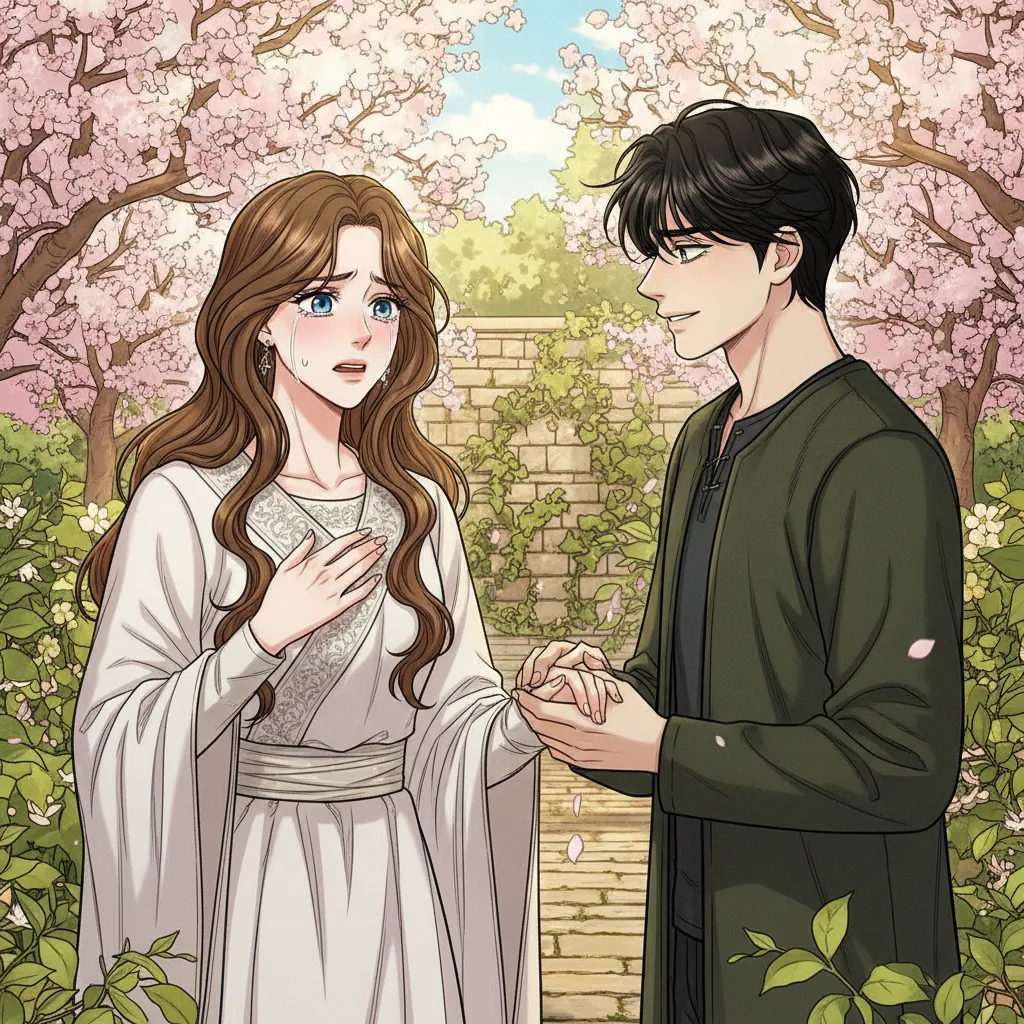
Romance and drama. The single most popular genre on LINE Webtoon and Lezhin by readership. Long dialogue scenes, emotional close-ups, and slow-burn pacing translate naturally into the vertical scroll rhythm. Comistitch’s romance-webtoon preset applies warmer colors and softer linework suited to the genre.
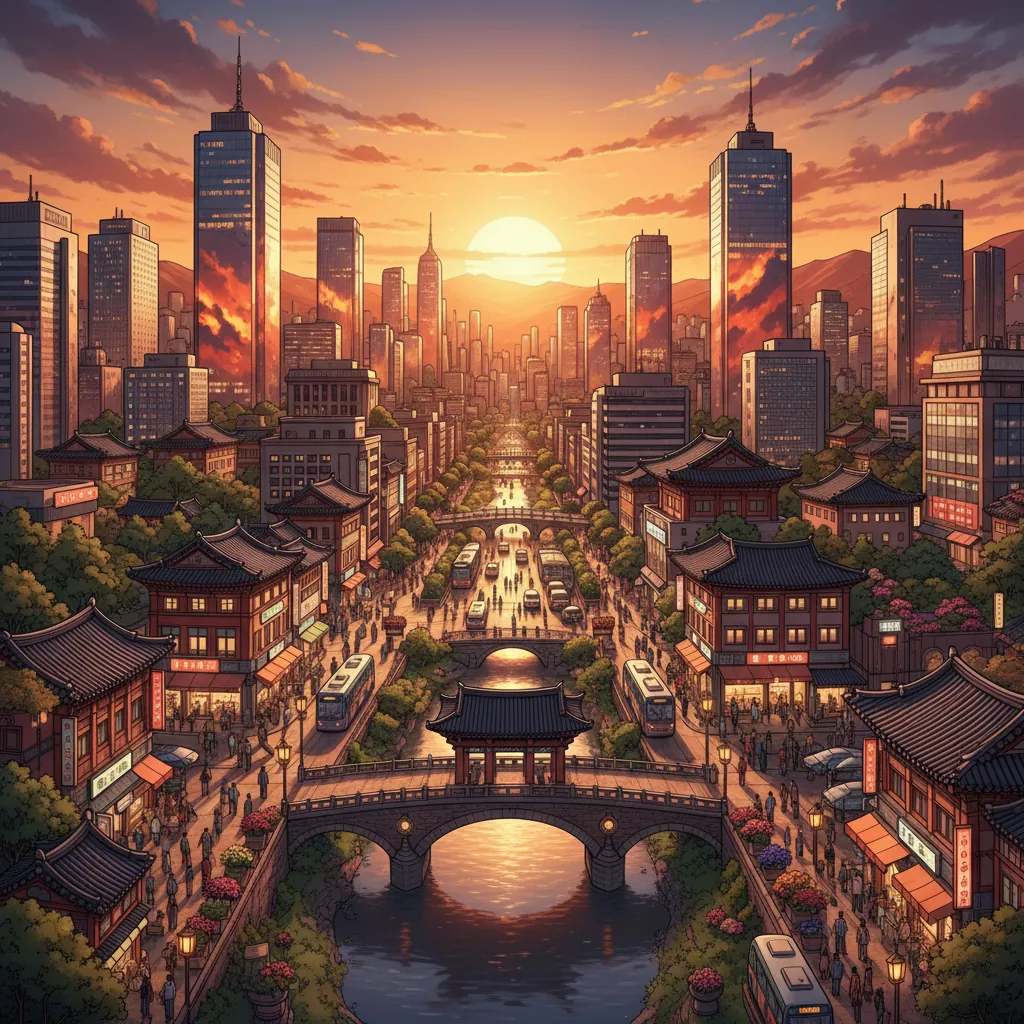
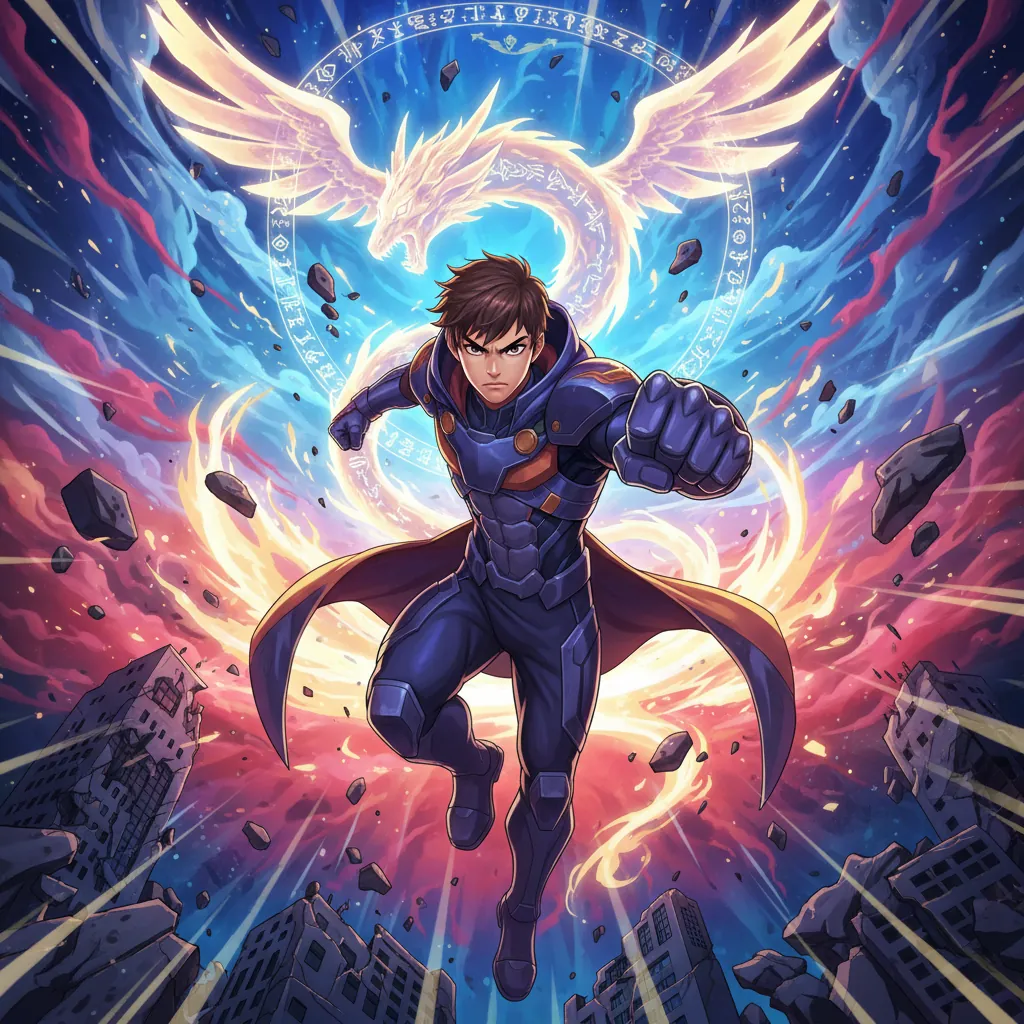
Fantasy and isekai. Portal-fantasy stories where protagonists enter a game or magical world benefit from webtoon’s ability to render elaborate world-building backgrounds. Wide establishing panels in vertical strips give a sense of scale without disrupting reading flow.
Slice-of-life. Quiet, character-driven stories about everyday life have a dedicated webtoon audience. The format’s short-episode structure matches the low-stakes, chapter-by-chapter feel of the genre.
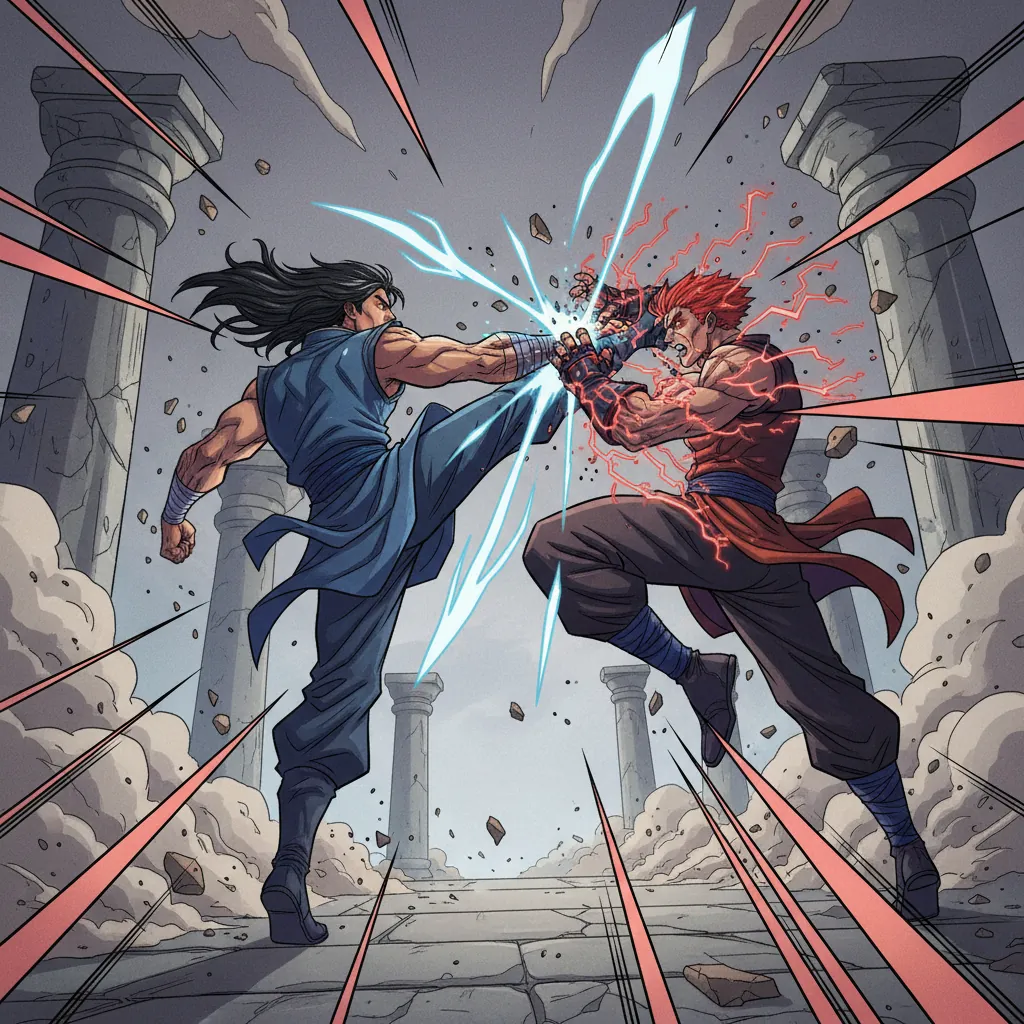
Action and martial arts. Dynamic fight choreography reads well in vertical strips because each panel can be taller than it is wide, giving characters room to move vertically on screen. Comistitch’s action-webtoon mode generates extended action panels with motion blur and impact lines tuned for the format.
Creator serialization experiments. Independent creators use Comistitch to test story concepts before committing to full production. Generating three or four trial episodes is a practical way to gauge audience response before investing months in a full series.
Getting Started with Webtoon Creation on Comistitch
Creating your first webtoon episode on Comistitch takes three steps.
Step 1: Set up your series. Create a new project, select “Webtoon” as the output format, and define your recurring characters. Give each character a name, a brief visual description, and any costume details. Comistitch stores these as character cards for the life of your series.
Step 2: Script your episode. Write your episode scene by scene in plain text. Each scene becomes a panel group. You don’t need panel-by-panel directions — describe who is present, what is happening, the mood, and any dialogue. Comistitch interprets pacing from the text structure. If you’re starting from a blank page, the free webtoon script generator drafts a scene-by-scene outline you can paste in directly.
Step 3: Generate, review, and export. Comistitch renders each scene as a vertical strip. Review panels individually, regenerate any that don’t match your vision, then export the full episode as a single long-strip PNG or WEBP file, ready for platform upload.
Webtoon style accounts for approximately 22% of style selections on Comistitch,* reflecting how strongly that format has grown beyond its Korean origins into a globally preferred reading format.
Tips for Webtoon Creators
Webtoon readers scan fast. Your opening three panels need to hook them before the algorithm decides whether to surface your episode to new readers.
Keep dialogue tight. Webtoon speech bubbles on mobile screens have limited real estate. Aim for one to three short lines per bubble; let the art carry the emotional weight.
Use the blank separator strategically. A narrow white strip between scenes signals a location or time shift without needing an explicit caption. Overusing it breaks flow; using it well gives readers a breath before the next scene.
Vary panel height. A sequence of identically sized panels feels flat. Mix wide establishing panels with tighter close-ups to create visual rhythm. Comistitch’s layout suggestions automatically vary panel height based on scene intensity — you can override any suggestion.
Study the pacing of top-performing webtoons in your genre. The top 10 titles on LINE Webtoon in any genre share recognizable structural patterns: hook open, escalating stakes, cliffhanger close. Mapping your episode outline to those beats before generating panels makes the AI output more coherent.
Early user cohort estimates, Q1 2026. Refresh pending full analytics rollout.