
Updated April 2026
Isekai is the genre that perfected the fantasy power fantasy by giving it a relatable starting point. The protagonist is ordinary — a salaryman, a student, a shut-in gamer — right up to the moment they are not. The truck arrives, or the summoning portal opens, or they close their eyes on a hospital bed and open them in a world that operates like the games they spent their real life mastering. That transition moment, and everything that follows it, has defined one of the most-read manga genres of the past decade. Comistitch’s AI isekai generator handles the genre’s specific visual requirements — from the RPG status window to the power-aura combat scene — as native capabilities rather than workarounds.
Why Isekai Has Its Own Visual Grammar
Isekai is not simply fantasy manga with a Japanese protagonist. It is a genre with specific visual conventions derived from its narrative structure, and those conventions are distinctive enough that readers identify isekai panels immediately.
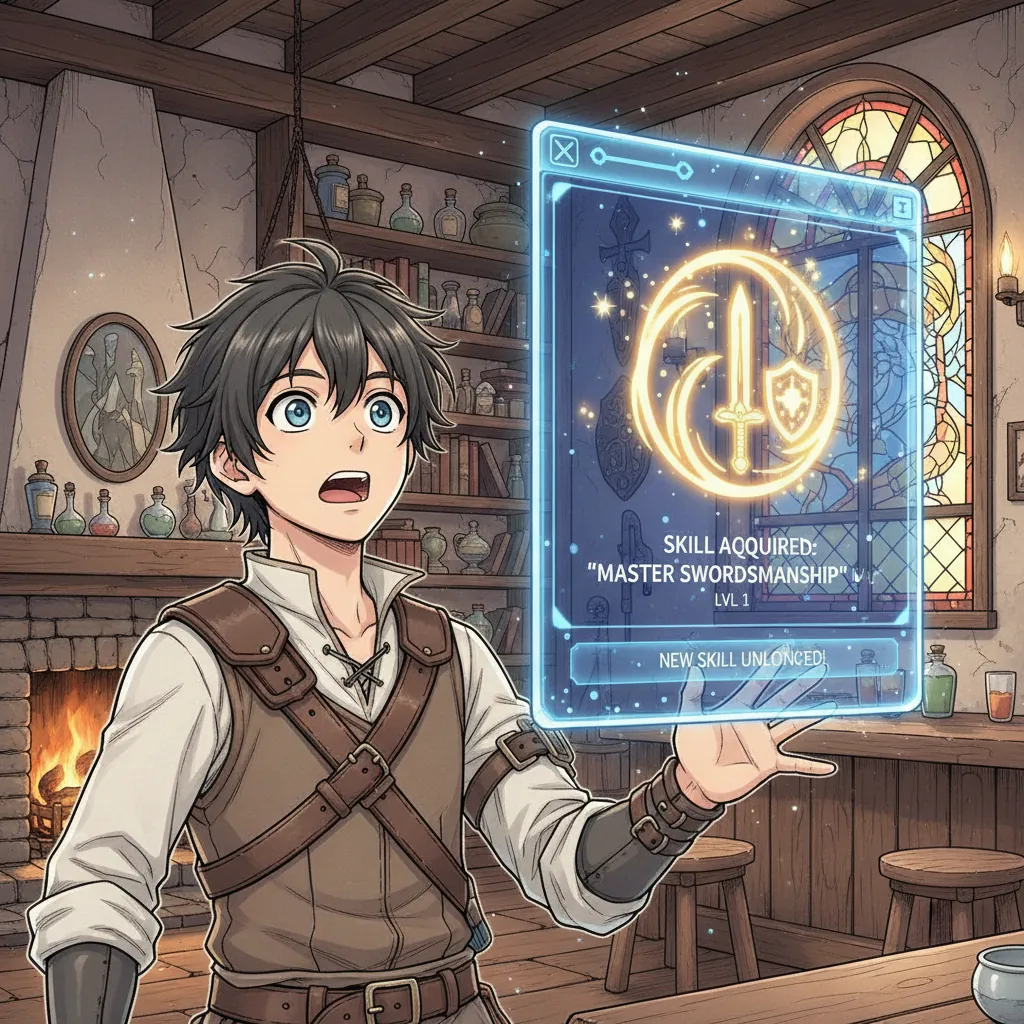
The RPG game-UI overlay is the most recognizable. When an isekai protagonist acquires a skill, levels up, or checks their status, the information appears in floating game-interface windows — bordered panels with clean typography, stat rows, and sometimes color-coded rarity indicators. This visual device treats the fantasy world as a game system with legible rules, which is central to isekai’s appeal. Readers are not just watching the protagonist succeed — they are watching them understand and optimize within a system, which triggers the same satisfaction as efficient gameplay.
Dual-world visual contrast is another structural requirement. The first chapter of an isekai story typically establishes the protagonist’s mundane origin world before the transport event. This origin world needs to read as distinctly different from the fantasy destination — visually quieter, less saturated, more cluttered with recognizable modern objects. The contrast makes the transport moment more dramatic and gives the reader a visual baseline against which to measure the protagonist’s displacement.
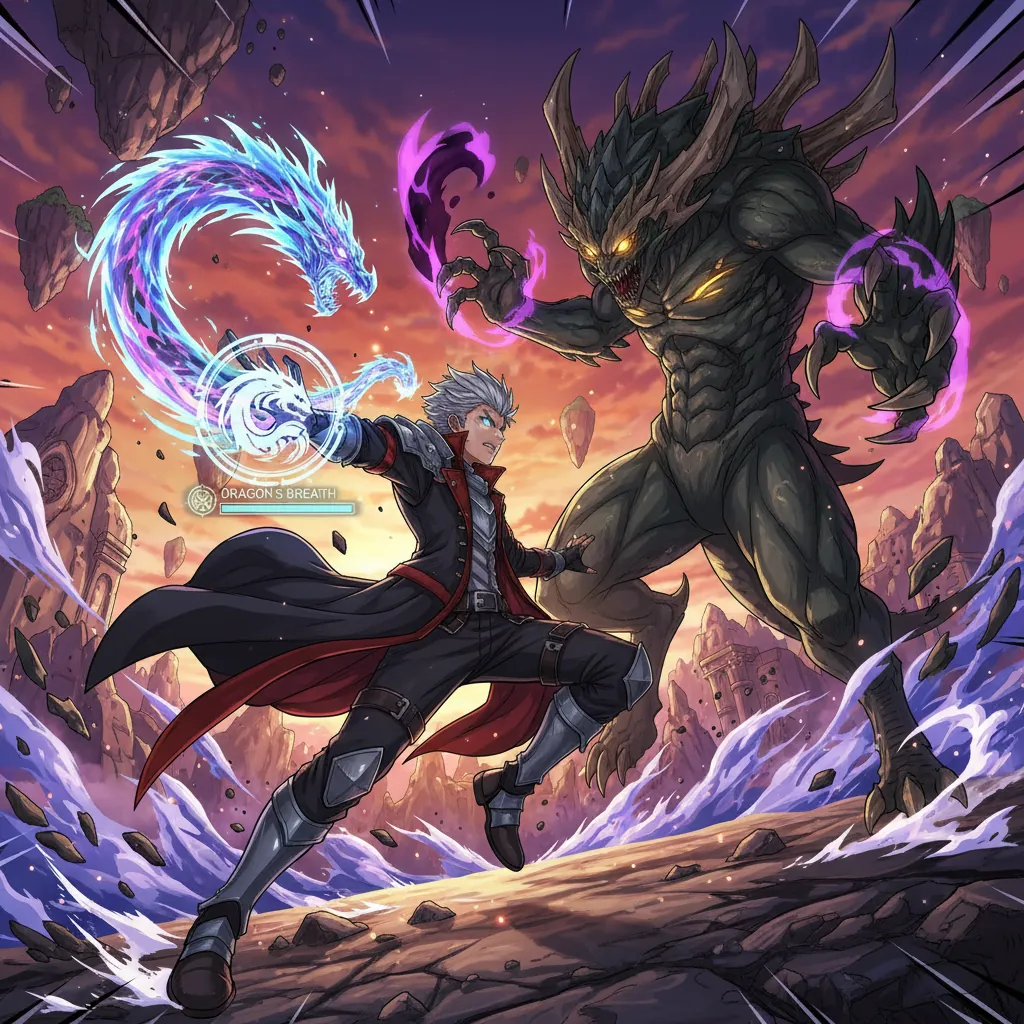
Power escalation requires visible progression. Early-arc protagonist panels should read as visually less impressive than late-arc panels — weaker aura effects, lower-quality equipment, more tentative combat posture. As the story progresses and the protagonist becomes more powerful, the visual language escalates: aura intensifies, equipment upgrades, stance becomes commanding. This visual power curve is part of the genre’s pleasure, and it requires consistent tracking of where in the escalation arc the protagonist currently sits.
How Comistitch Generates Isekai Comics
Comistitch handles isekai-specific visual requirements as first-class generation capabilities.
Portal and transport sequence generation. The moment of world transition is a visual set-piece. Common transport mechanisms — the truck impact, the summonning light, the death-and-awakening sequence — each have established visual conventions: the bright white flash, the feeling of falling through light, the abrupt awakening in a new environment. When we generated a series of transport sequences in Comistitch using different mechanism descriptions, we found that specifying the mechanism explicitly — “blinding light summoning portal” versus “dark tunnel of reincarnation” — produced dramatically different atmospheric treatments for the same narrative beat.*
RPG status window overlays. Describe the game-UI element you want — level-up notification, skill acquisition window, stat comparison table — and Comistitch generates a floating panel overlay in the visual style associated with isekai light-novel art: clean bordered box, readable typography, optional color highlighting for rare abilities. These overlay elements are composited onto action panels rather than replacing them.
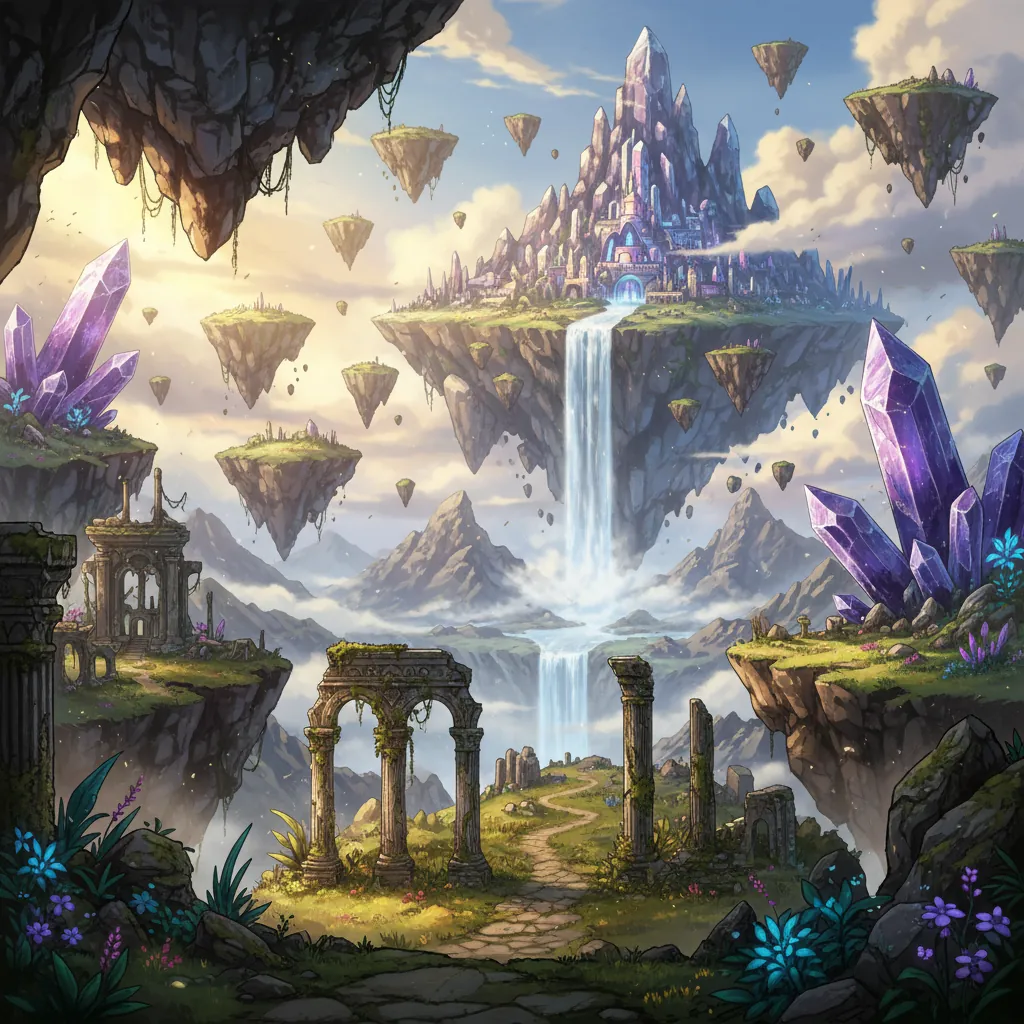
Dual-world color grading. Isekai projects in Comistitch support per-world color profiles. The origin world (modern Japan, typically) uses a specific color temperature and saturation level — muted, slightly washed out, fluorescent-lit interiors. The destination fantasy world uses a different profile — higher saturation, warmer outdoor light, magical color accents. This contrast is applied automatically when you tag a scene as “origin world” versus “isekai world.”
Power tier visual tracking. The character card for an isekai protagonist supports power-level notation. As you advance through your story arc and update the power level, Comistitch adjusts the aura intensity, impact frame scale, and general visual impressiveness of panels featuring the protagonist — making the escalation arc legible to readers without requiring explicit dialogue about power levels.
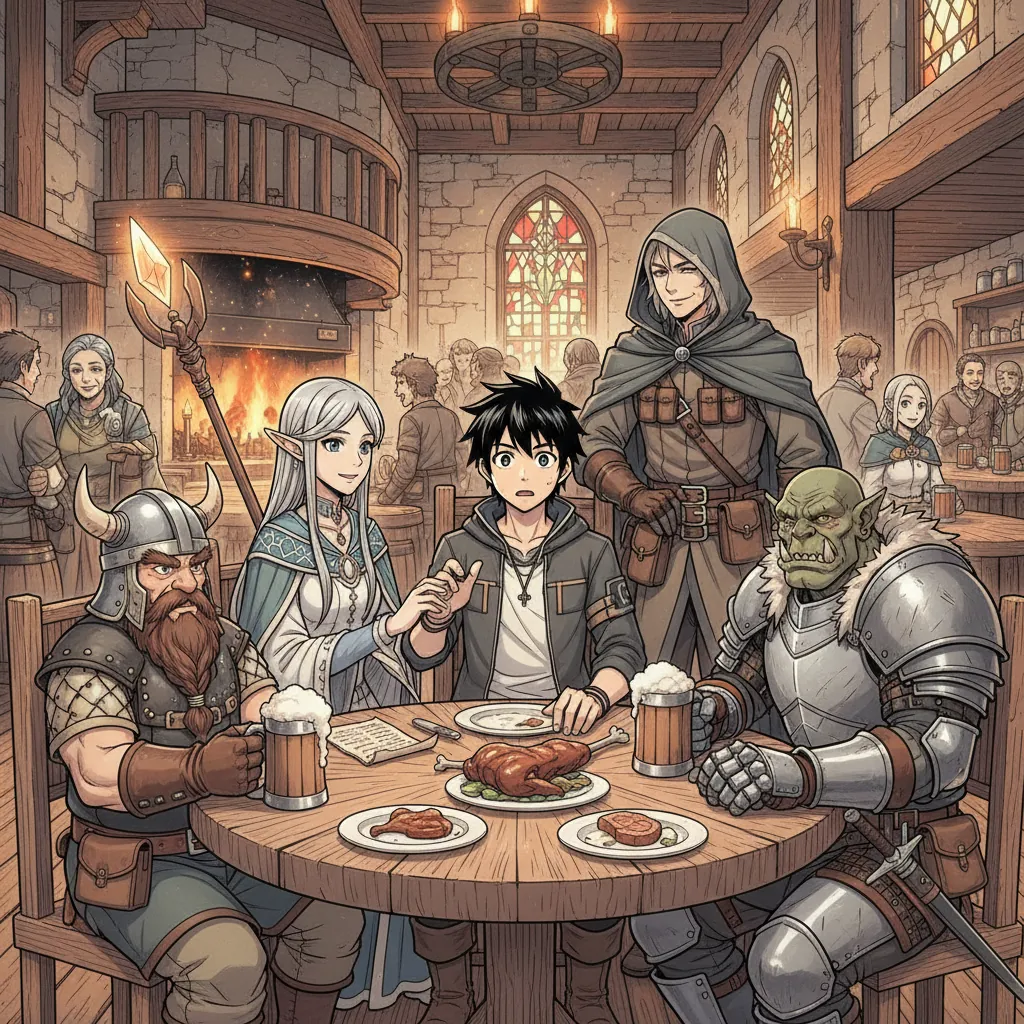
Villain and supporting cast generation. Isekai stories have well-established supporting cast archetypes: the loyal knight companion, the scheming noble antagonist, the overpowered mentor who hides their strength, the cute non-human companion. Comistitch generates these archetypes from brief character descriptions and maintains them consistently across the series.
Popular Genres and Use Cases for Isekai Comics
Isekai has diversified significantly beyond its original template, and different sub-genres have distinct visual requirements.
Classic overpowered protagonist isekai. The foundational format: ordinary person transported to fantasy world, discovers hidden power or unique ability, ascends to top of power hierarchy while navigating political intrigue and collecting companions. Action-heavy, power-escalation focused, with RPG game mechanics as a narrative engine. This is Comistitch’s primary isekai generation context.
Villainess reincarnation. Female-protagonist stories where the lead is reincarnated as the antagonist of a romance novel they read in their previous life. Visually distinct from action isekai — the setting is a Regency-era or historical European fantasy court, costumes are elaborate, and the conflict is social and romantic rather than martial. Comistitch’s manhwa full-color preset handles this sub-genre well.
Slow-life and retirement isekai. A counter-trend to the overpowered-protagonist format: stories where the isekai protagonist deliberately avoids adventure and builds a quiet life using modern knowledge (cooking, agriculture, medicine). Visually similar to slice-of-life manga but in a fantasy environment — everyday domestic scenes in a fantasy world.
Game-world trapped isekai. The protagonist is trapped inside a game they were playing, with game mechanics operating as literal physics. The visual convention for this sub-genre includes heavy use of RPG UI overlays, visible HP and MP bars during combat, and environmental elements that look like game assets — slightly too clean, slightly too saturated, with obvious spawn mechanics.
Getting Started with Isekai Comics on Comistitch
Isekai production in Comistitch follows the story’s two-world structure.
Step 1: Establish both worlds as distinct visual profiles. Before generating any panels, write a brief for both your origin world (the mundane starting point) and your destination world (the isekai realm). Include color palette, technology level, and architectural style for each. This two-world brief keeps the contrast consistent across the story.
Step 2: Script the transport sequence as a visual set-piece. The world-transition moment deserves careful scene description. Specify the transport mechanism, the visual effects of the transition, and the protagonist’s emotional and physical state at arrival. This sequence is often the first thing readers see after a chapter cover — it sets the tone for everything that follows.
Step 3: Track power-level progression across chapter updates. Before starting each new chapter, review and update your protagonist’s character card to reflect their current power level. Generate a few test panels to verify the power-level visual cues are reading correctly before committing to the full chapter generation run.
Approximately 38% of Comistitch creators try more than one art style in their first month,* and the isekai-to-manhwa crossover is one of the most common style transitions — reflecting how frequently creators start with Japanese manga-style isekai and then discover the Korean manhwa full-color format works equally well for the genre’s visual requirements.
Early user cohort estimates, Q1 2026. Refresh pending full analytics rollout.