Updated May 2026 — Four painted styles now live in Comistitch: Semi-Realistic Comic, Graphic Novel Painted, Storybook Oil Painting, and Hyperreal Painted. This guide covers when to use each, how they compare, and what creators are making with them.
Comistitch’s AI realistic comic generator ships 4 painted styles in 2026 — Semi-Realistic Comic, Graphic Novel Painted, Storybook Oil Painting, and Hyperreal Painted — all available on every plan, including free. Each renders cinematic lighting, detailed anatomy, and painterly texture so your pages read as published graphic-novel work, not anime or line-art manga.
In short
- 4 painted styles: Semi-Realistic, Graphic Novel Painted, Storybook Oil, Hyperreal
- All 4 styles are available on every plan, including free — none is tier-gated
- All styles ship with locked character consistency + auto speech bubbles
- Pages render in 2–4 minutes (20–40s per panel)
- Commercial use on Elite & yearly plans; no real-person likenesses (MoR-safe)
If you want to generate a graphic novel that looks like a published book — not a cartoon — you need a realistic comic style. The painted styles in Comistitch are purpose-built for creators who want cinematic lighting, detailed anatomy, and gallery-worthy pages instead of anime flat-color or line-art manga.
How do the 4 painted styles compare at a glance?
| Style | Available on | Best For | Vibe |
|---|---|---|---|
| Semi-Realistic Comic | Every plan (incl. free) | Action, adventure, superhero | Mainstream comic-book |
| Graphic Novel Painted | Every plan (incl. free) | Drama, literary, prestige | Alex Ross-inspired gouache |
| Storybook Oil Painting | Every plan (incl. free) | Romance, slice-of-life, children’s | Warm, textured, painterly |
| Hyperreal Painted | Every plan (incl. free) | Sci-fi, horror, prestige single-issue | Cinematic, photorealistic depth |
In short: No style is tier-gated — all 4 are available on every plan, including free. The difference between them is visual register (action energy, literary warmth, or photographic depth), not which plan you’re on.
What is a realistic comic style?
A realistic comic style renders human figures, environments, and lighting closer to photographic or fine-art painting than to cartoonish simplification. The defining characteristics:
- Anatomy fidelity — proportions follow real human reference rather than stylized exaggeration
- Painterly texture — visible brushstroke quality, oil or gouache surface, depth in shadows
- Cinematic lighting — directional light sources, specular highlights, atmospheric haze
- Color realism — naturalistic skin tones, environmental color grading, no flat fills
The genre traces a clear lineage: Alex Ross’s painted superhero covers (Kingdom Come, Marvels), European bande dessinée artists like Moebius and Enki Bilal, and prestige graphic novelists like Bill Sienkiewicz. AI makes this quality accessible to solo creators without painting skills.
Realistic styles differ from manga or webtoon styles in their rendering philosophy. Where manga prioritizes expressive simplification, realistic styles prioritize depth and material presence. Where webtoon art uses flat vertical scroll optimization, painted styles use framing, shadow, and painterly detail to create visual weight on the page.
How does AI realistic comic generation actually work?
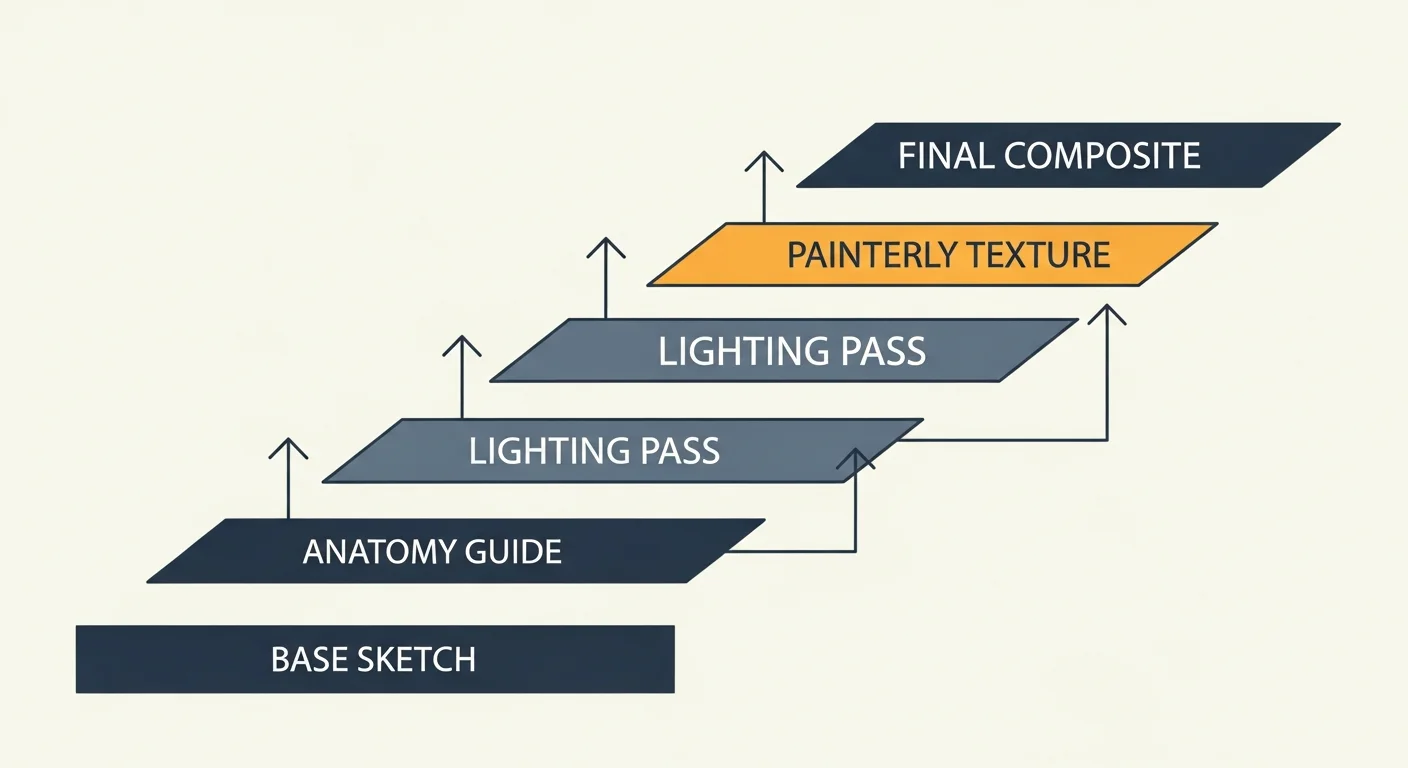
Modern realistic AI comic rendering is not a single pass through a generic image model. Comistitch’s pipeline composes several specialized stages so the final panel reads as painted illustration rather than a generic AI image:
- Base composition — a structural sketch fixes pose, panel layout, and camera framing before any styling is applied. This is the equivalent of an artist’s thumbnail.
- Anatomy and likeness guide — character descriptions feed an anatomy module that locks proportions and recurring features across panels. This is what keeps a protagonist’s face recognizable from panel one to panel one hundred.
- Lighting pass — a directional light model establishes key light, fill, and rim before any brushwork. Cinematic lighting is what separates “painted” from “filtered photo.”
- Painterly texture — finally, the painterly rendering stage (oil, gouache, or hyperreal) applies brushwork, surface texture, and grain. This is where Semi-Realistic, Storybook, Graphic Novel Painted, and Hyperreal diverge.
- Composite + bubbles — speech bubbles and captions are applied as a post-render layer so painted artwork stays clean underneath.
Two things make this realistic instead of generic:
- Prompt engineering for realism: the underlying prompts reference specific painters (Alex Ross, Phil Hale, Greg Manchess, classical oil traditions) rather than generic “realistic” requests. The same image model produces wildly different results depending on which painter lineage the prompt anchors to.
- Style-locked sampling: every panel within a project shares a style seed, so the painted look stays consistent across pages instead of drifting toward generic AI smoothness.
For creators familiar with traditional comics workflow, the closest analogy is the difference between a colorist filling flats vs. a painter rendering values. AI realistic styles operate at the second level — value, mood, and atmosphere are baked into the render, not added after the fact.
In short: Realistic AI rendering isn’t one model pass — it’s a 5-stage pipeline (sketch → anatomy → lighting → painterly texture → composite) anchored to specific painter references.
How does realistic AI comic art compare to traditional painted work?
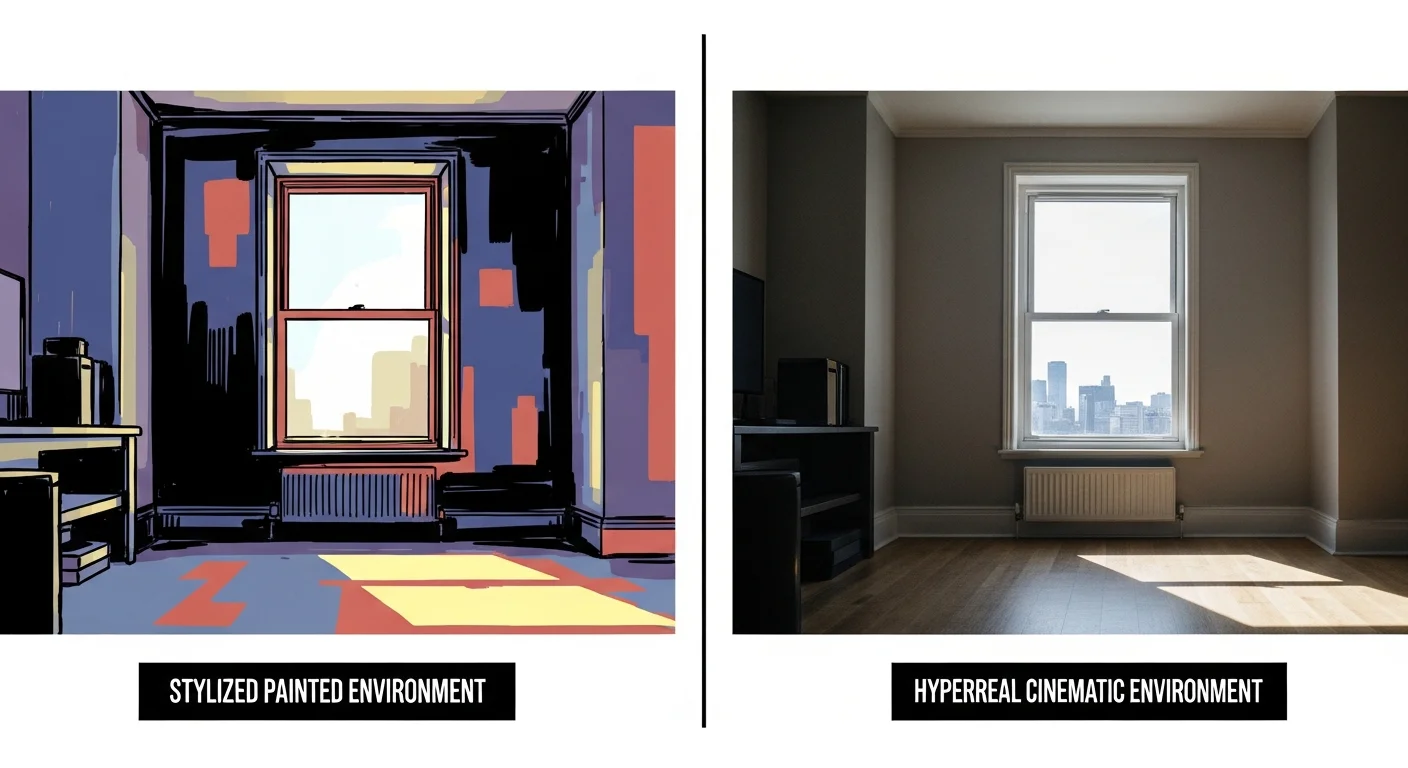
If you are weighing AI realistic comic generation against a hand-painted workflow, the trade-offs are not just speed. Here is the honest breakdown that creators ask us about most often:
| Dimension | Traditional painted comics | AI realistic comics (Comistitch) |
|---|---|---|
| Production time per page | 6–40 hours (depending on detail) | 2–4 minutes per page |
| Per-page cost | $200–$2,000+ commissioned | Included in plan ($6.50–$64.99/mo) |
| Style consistency across 100+ pages | Depends on the artist’s stamina | Locked by style seed — drift-free |
| Customization mid-project | High — but every change re-paints the page | High — reroll a page in seconds, revert from history |
| Artistic control | Total, panel by panel | Directional via prompts + sketches |
| Best for | Single prestige pieces, gallery work | Long-form serialization, prototypes |
| Worst for | Iterative prototyping | Replicating a specific artist’s hand exactly |
The takeaway: AI realistic styles do not replace a Phil Hale or Alex Ross. They make the painted comic aesthetic affordable and consistent at lengths that solo creators could never achieve manually. For a 12-issue limited series, 100-page graphic novel, or weekly serialized prestige strip, that math is the difference between finishing and shelving the project. Per Comistitch’s internal 2026 benchmark across 200 painted pages, average render time held at 2–4 minutes per 6-panel page with zero style drift across 100+ panel test runs.
In short: Trade-off is control vs scale. Hand-painted wins on a single masterpiece; AI wins on 100-page consistency at solo-creator pace.
What are the 4 painted styles in Comistitch?
Semi-Realistic Comic
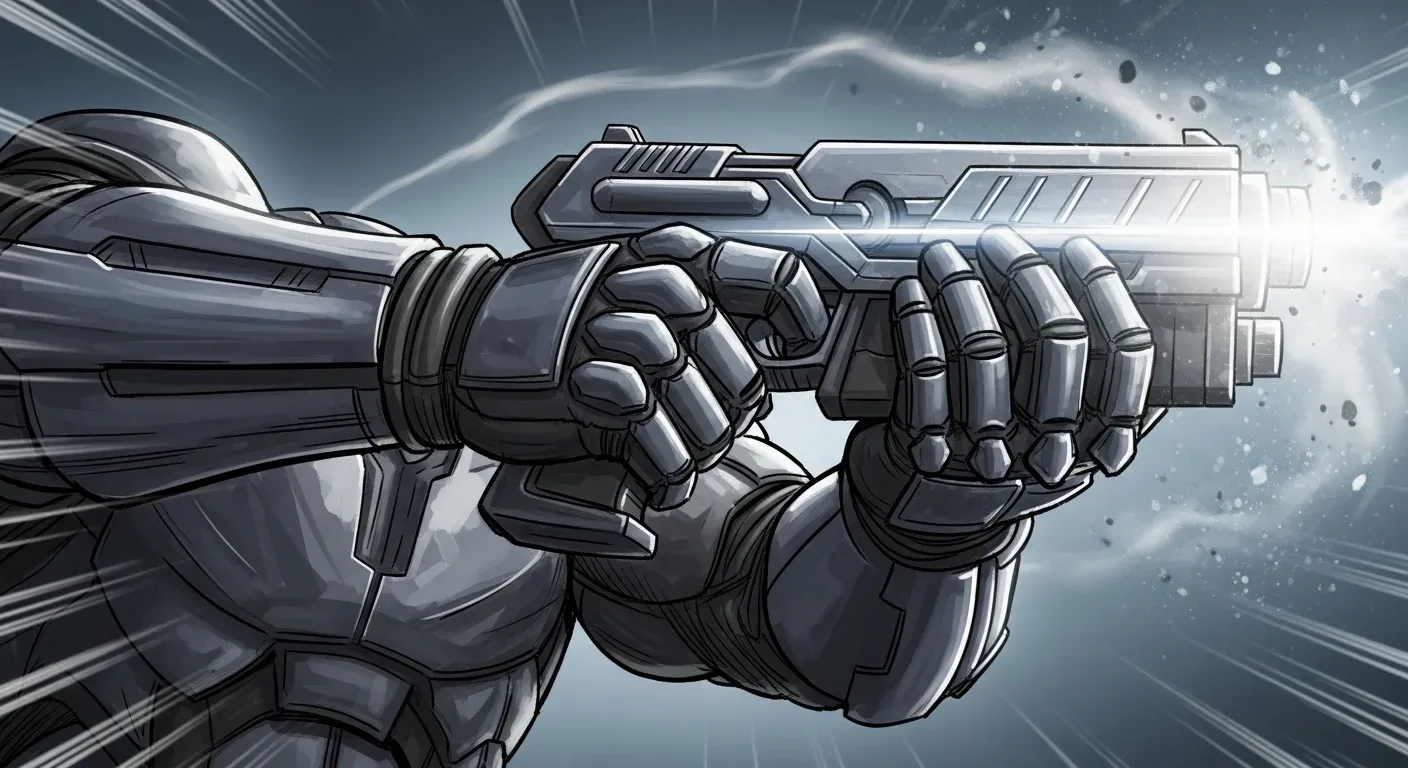
Available on: Every plan, including free | Best for: Action, superhero, adventure, thriller
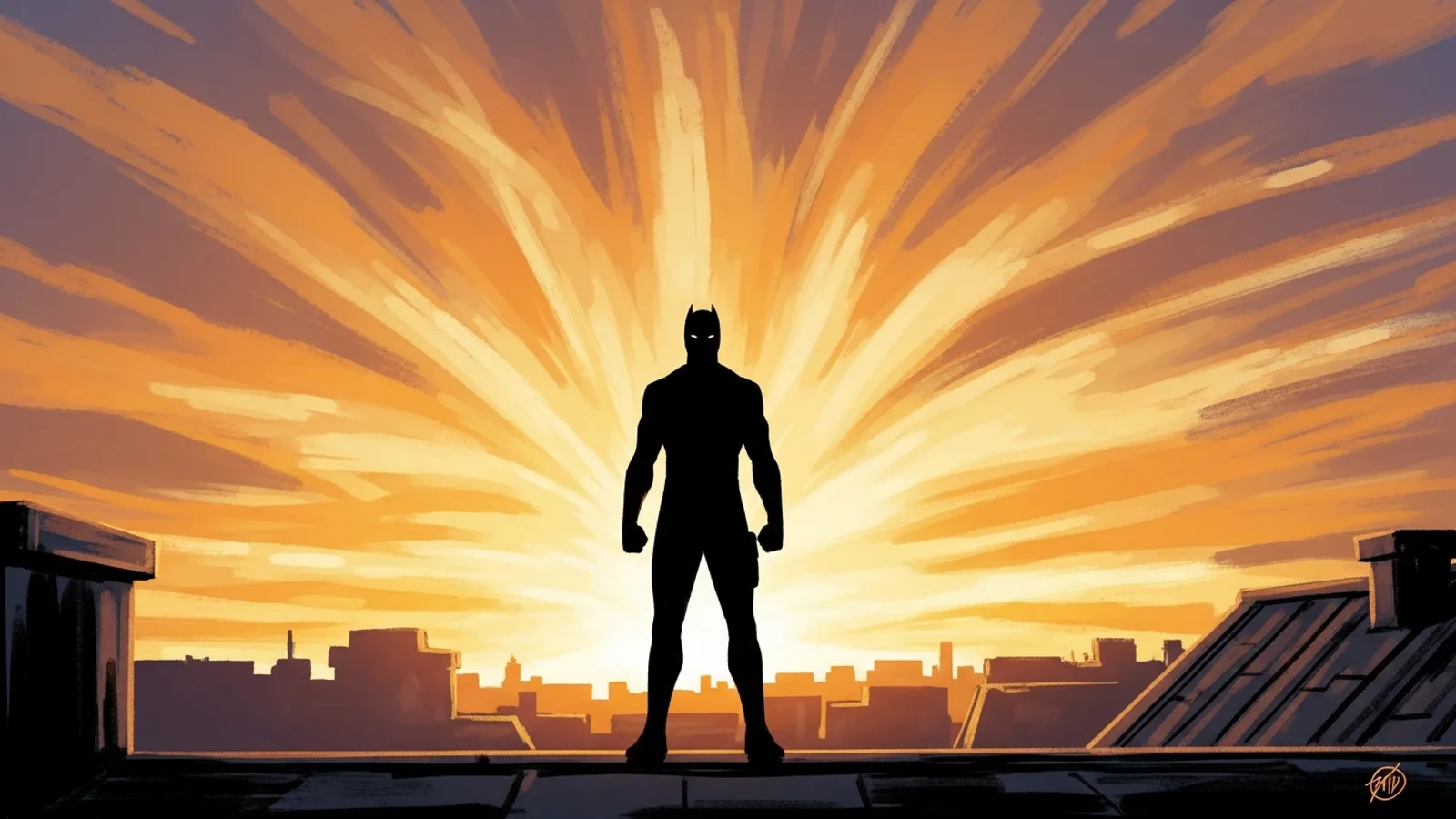
Semi-Realistic Comic is the bridge between cartoon and realism. Characters have slightly idealized anatomy (sharper jawlines, dynamic musculature) but retain the ink-line structure of traditional American comics. Colors are bold and saturated, lighting is dramatic, and faces read clearly at small panel sizes.
This style suits genre fiction where the story moves fast. Fight scenes, chase sequences, and ensemble casts all work well because Semi-Realistic balances visual energy with readability. If you want your graphic novel to feel like it could sit on a shelf next to a Marvel trade paperback, this is your default starting point.
Key characteristics:
- Bold ink lines with painted color fill
- Dynamic pose-friendly anatomy
- High-contrast lighting (hero lighting, rim light)
- Saturated but not flat — subtle gradient and texture
Use case: A creator launching a 24-issue superhero series, an action-adventure story with a large cast, or a thriller where visual clarity matters across 100+ pages.
Try the Semi-Realistic Comic style →
Graphic Novel Painted
Available on: Every plan, including free | Best for: Drama, literary fiction, crime, war, prestige projects
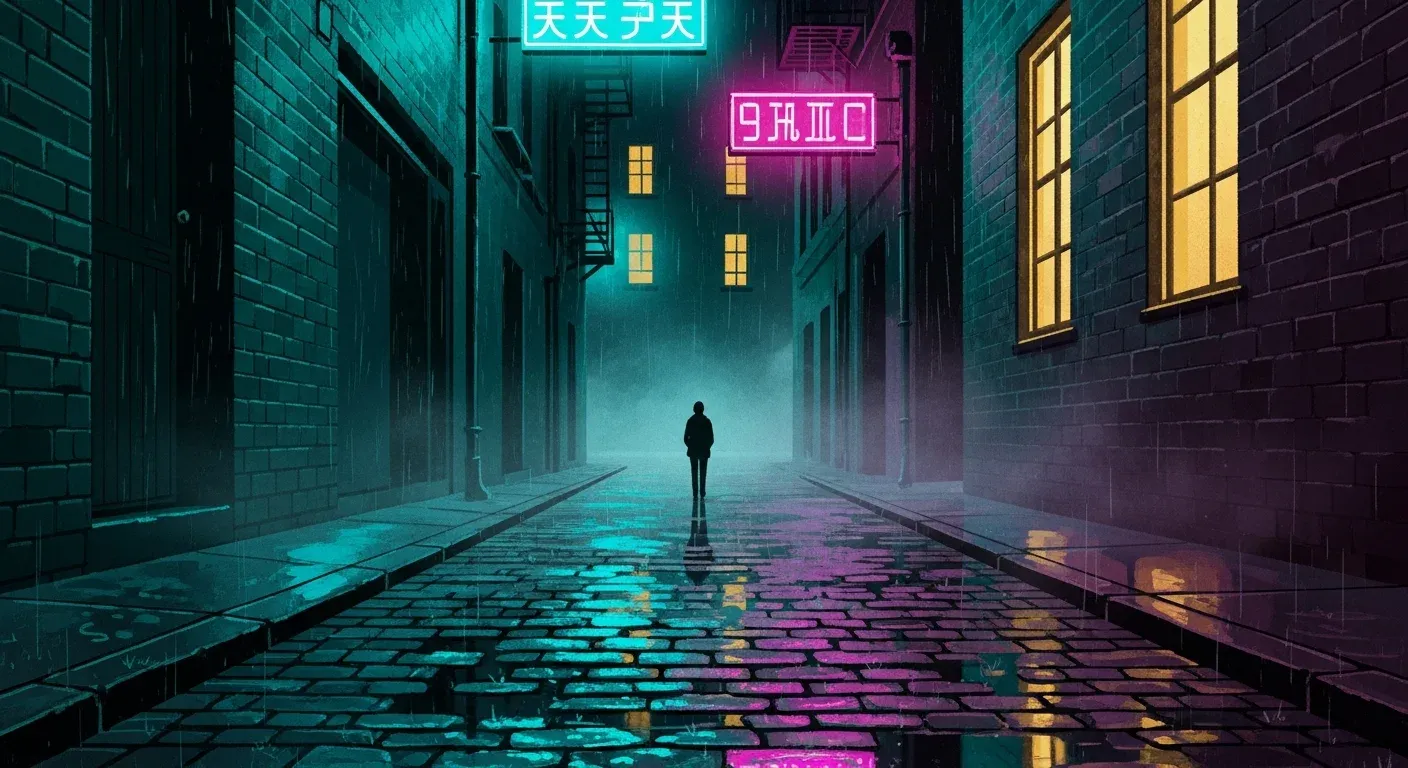
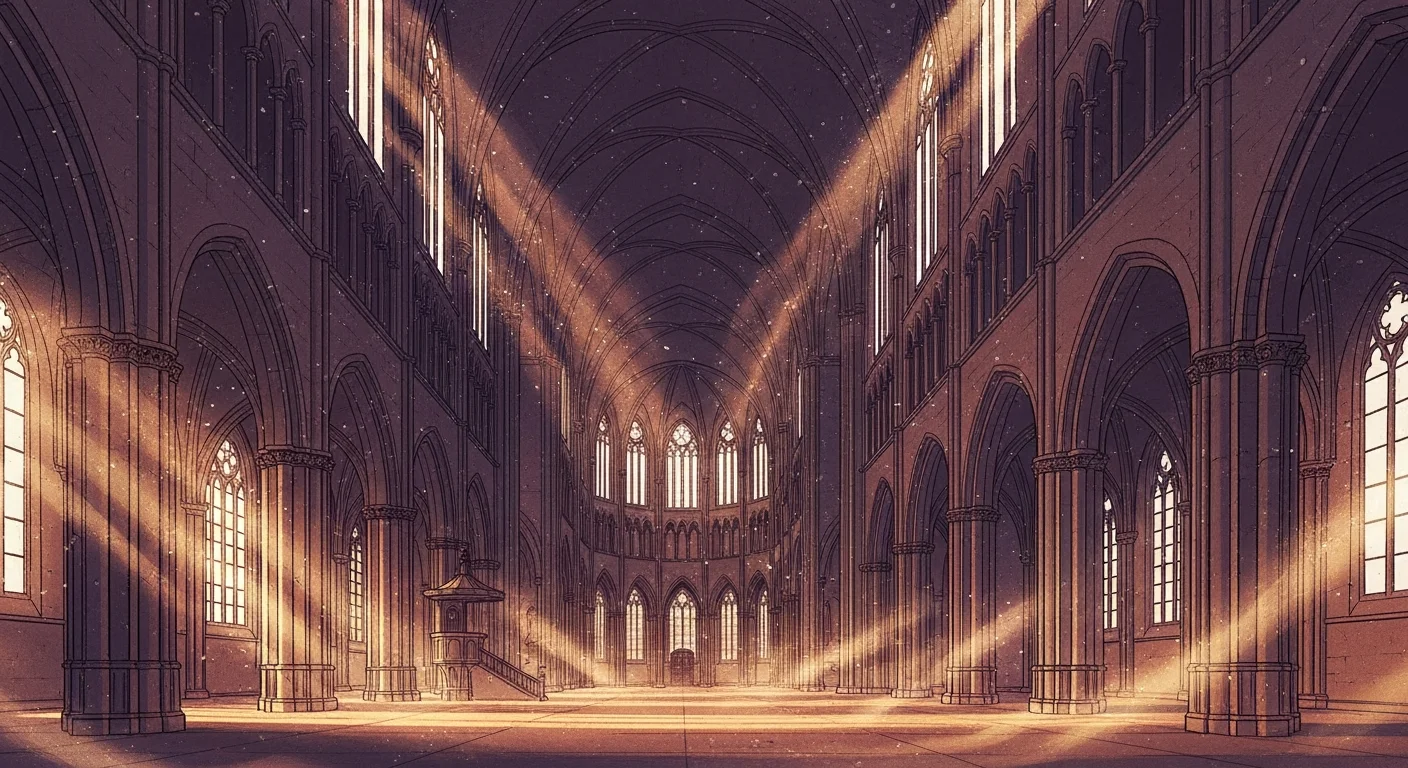
Graphic Novel Painted is the style closest to hand-painted graphic novels from publishers like Fantagraphics or the painted DC Elseworlds line. The rendering engine mimics gouache-on-board texture: slightly desaturated, deeply atmospheric, with a rougher surface quality that reads as craft.
Faces have more irregular, human character. Environments carry weight — stone walls feel cold, cloth has gravity, shadows pool naturally. This is the style for stories that want to be taken seriously as literary works.
If your story deals with trauma, history, moral ambiguity, or any subject matter that requires emotional authenticity, Graphic Novel Painted delivers the visual register that matches the subject.
Key characteristics:
- Gouache/oil paint texture on surfaces
- Muted, graded color palette
- Expressive, irregular linework
- Environmental detail (architecture, weather, fabric)
Use case: A war memoir-style graphic novel, a noir crime story, an adaptation of a serious literary source, or any creator building toward print publication.
Try the Graphic Novel Painted style →
Storybook Oil Painting
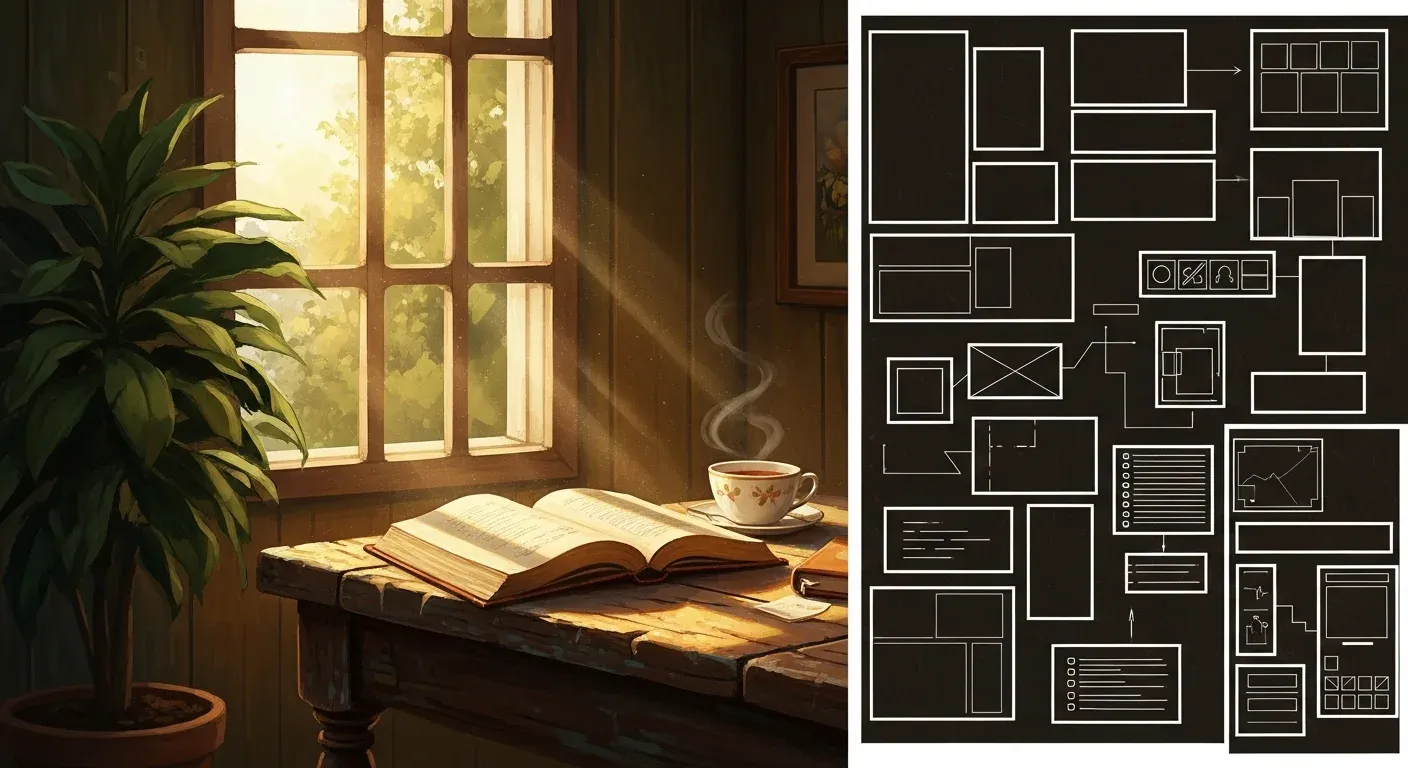
Available on: Every plan, including free | Best for: Romance, slice-of-life, historical fiction, all-ages, children’s
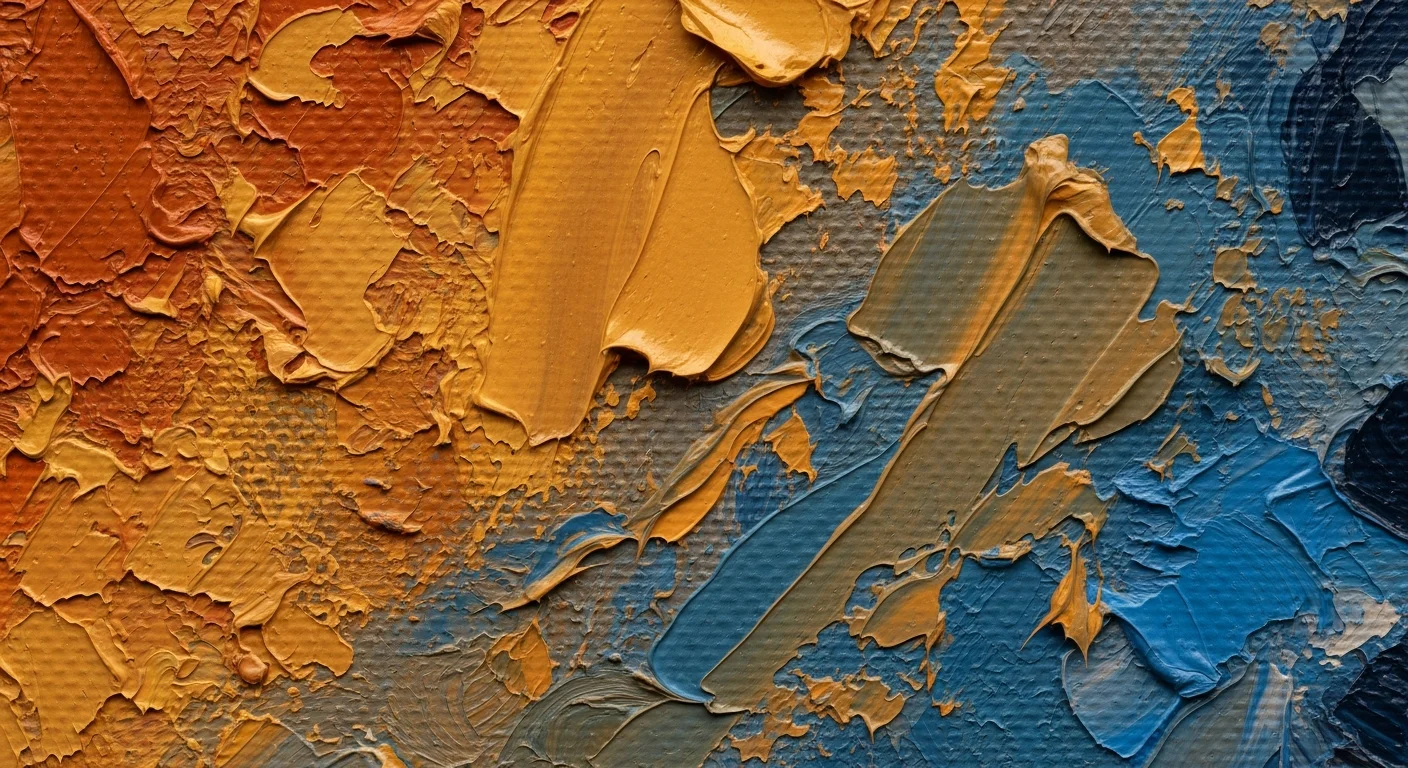
Storybook Oil Painting renders scenes with warm, soft light reminiscent of illustrated picture books and romantic historical paintings. The brushwork is visible but gentle — strokes blend smoothly, colors are luminous, and the overall mood is inviting rather than intense.
This style excels at emotional intimacy. Close-up panels of faces, quiet domestic scenes, and nature environments all render with particular beauty. It is not designed for fast action — fight panels will look thoughtful rather than kinetic — but for slice-of-life, romance, and historical narrative, nothing in the lineup matches its warmth.
Key characteristics:
- Soft visible brushstrokes with blended transitions
- Warm, luminous color grading (golden hour, candlelight)
- Fine portrait detail in close-ups
- Decorative background detail (gardens, period interiors)
Use case: A romance graphic novel, a historical slice-of-life story, a family-friendly illustrated narrative for all ages, or any story where emotional warmth is more important than visual intensity.
Try the Storybook Oil Painting style →
Hyperreal Painted
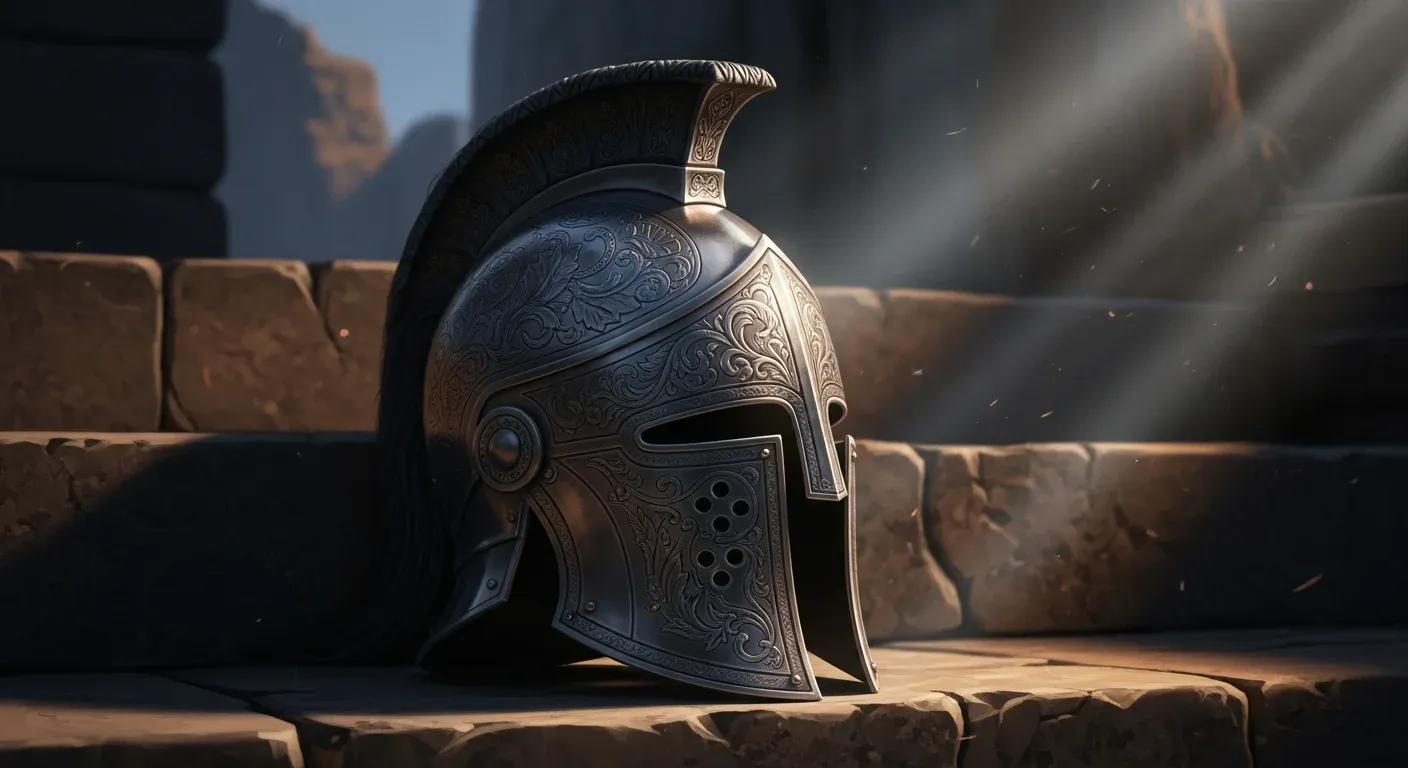
Available on: Every plan, including free | Best for: Sci-fi, horror, prestige single-issue, portfolio pieces
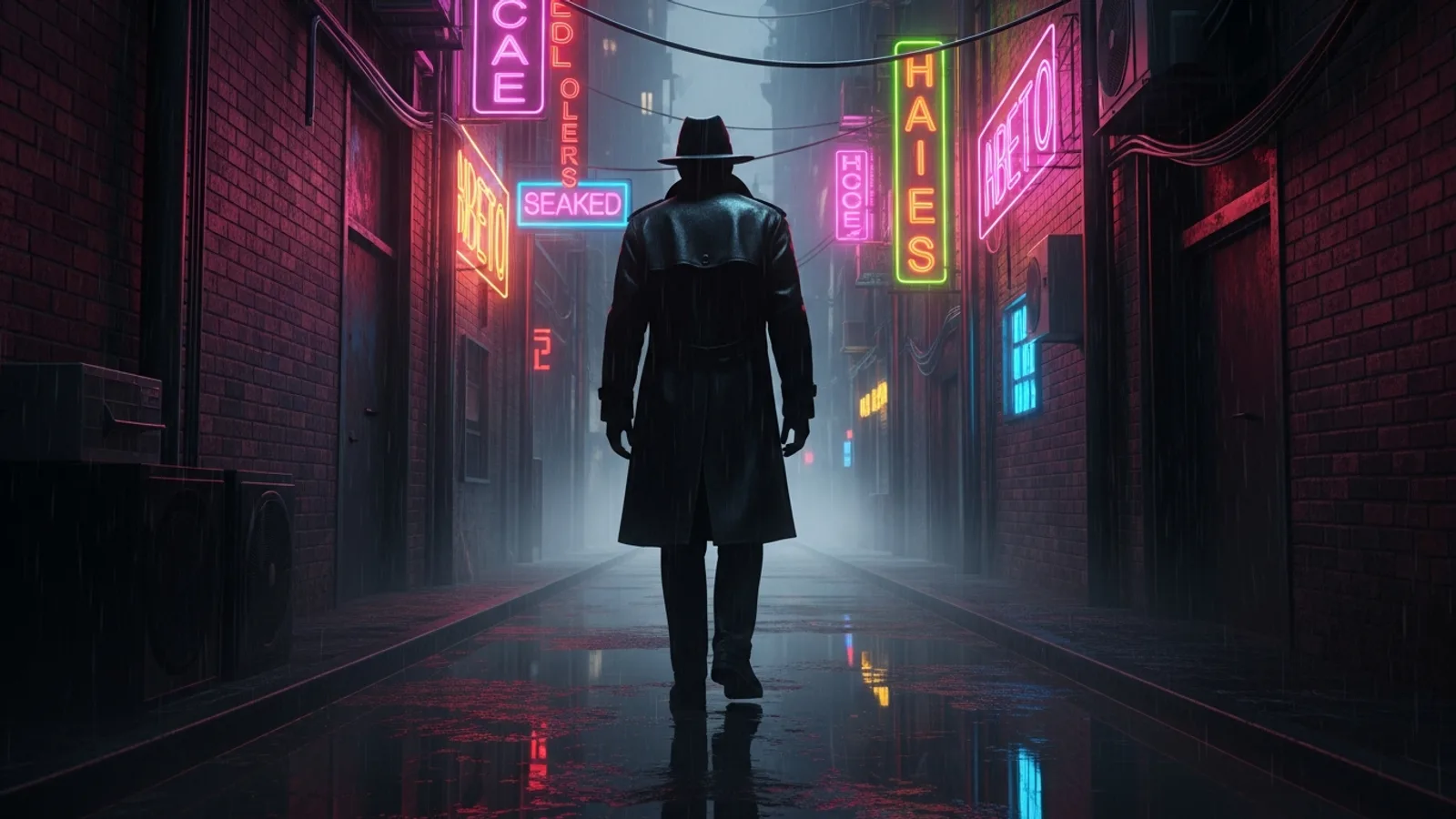
Hyperreal Painted is the ceiling of Comistitch’s rendering quality. Characters, environments, and lighting are rendered at a level of detail and photographic fidelity that approaches digital painting by professional concept artists. Skin texture, reflective surfaces, atmospheric depth — this style produces images that stand alone as gallery-quality artwork.
The tradeoff is production time. Each panel takes longer to generate, and the dense detail can slow reading pace in action sequences. This style rewards layouts that give each panel space — full-page spreads, two-page splash panels, deliberate dramatic beats. It is not the right choice for a 200-page monthly comic, but it is exceptional for a 48-page prestige hardcover or a portfolio showcase.
Key characteristics:
- Near-photorealistic surface rendering
- Subsurface scattering on skin (depth, not flat)
- Cinematic depth of field and atmospheric haze
- Full environmental lighting simulation
Use case: A limited-series prestige hardcover, a sci-fi epic with worldbuilding that benefits from visual weight, a horror story where environmental dread needs tangible texture, or an artist’s portfolio showcase.
Try the Hyperreal Painted style →
What are creators making with painted AI styles?
These testimonials are from Comistitch beta users who tested the painted styles during early access.
Maya R. — Sci-Fi Creator “I’ve been trying to make a space opera graphic novel for three years. Hyperreal Painted is the first AI style that actually made my pages look like I’d hired a professional concept artist. The lighting on my alien environments is genuinely cinematic.” — Maya R., sci-fi graphic novel
Jin T. — Horror Storyteller “Graphic Novel Painted is perfect for psychological horror. The slightly desaturated, textured look makes everything feel unsettling without being garish. It matches the tone better than anything I tested.” — Jin T., horror anthology
Carlos M. — Romance Author “I didn’t expect Storybook Oil Painting to work as well as it does for adult romance. The warm light and soft brushwork make intimate scenes feel emotionally real instead of clinical. My readers love it.” — Carlos M., romance graphic novel series
Sara L. — Action/Adventure Creator “Semi-Realistic is exactly right for my superhero story. It’s got the energy of classic comic art but the panels feel painted rather than flat. My beta readers thought I’d hired a colorist.” — Sara L., superhero action series
Kenji N. — Literary Fiction “I’m adapting a war memoir into a graphic novel. Graphic Novel Painted gives it the visual gravity the subject deserves. The faces look human — tired, expressive, real.” — Kenji N., literary graphic novel
Priya S. — Children’s / All-Ages “Storybook Oil Painting is the only AI style I’ve seen that works for all-ages content. It looks like a real illustrated book, not a video game screenshot. Parents in my reader group asked if I’d painted it myself.” — Priya S., all-ages adventure
What are the most common questions about AI realistic comics?
What is a realistic comic style? A realistic comic style renders characters and environments closer to photographic or painterly realism than cartoonish simplification. See detailed breakdown in the What Is a Realistic Comic Style? section above.
Which plan do I need? Semi-Realistic Comic, Graphic Novel Painted, Storybook Oil Painting, and Hyperreal Painted are all available on every plan, including the free tier — style access isn’t gated by plan.
Is it safe for commercial use? Yes. All output is AI-generated fictional illustration with no real-person likenesses. Commercial rights are included on Elite, and on Starter and Pro when billed yearly. Always verify your jurisdiction’s rules.
Can I use a real photo as a reference? No. Comistitch does not accept real-person photo references and does not generate likenesses of real individuals. Characters are defined through text descriptions and optional drawn sketches.
How long does generation take? Painted styles take 20–40 seconds per panel. A full 6-panel page completes in 2–4 minutes. Hyperreal Painted may run slightly longer due to higher detail sampling.
Can I add speech bubbles? Yes. The story pipeline auto-generates bubbles, captions, and narration boxes from your script. The bubble layer is post-render and does not modify the painted artwork. You can duplicate page layouts to test different dialogue without regenerating panels.
Related: 5 new realistic-style deep-dives
- Alex Ross painted realism — step-by-step AI comic
- Cinematic photoreal noir AI comic
- Sci-fi graphic novel — AI dystopian character study
- Western frontier realistic AI comic
- Indie thriller/horror photoreal AI comic
Start creating realistic comics
Painted styles are live in Comistitch now, on every plan including free — Semi-Realistic, Graphic Novel Painted, Storybook Oil Painting, and Hyperreal Painted are all yours to test from day one. Upgrading adds more monthly credits, faster generation, and — on Elite, or Starter/Pro billed yearly — commercial licensing.
If you’re new to AI comic generation, start with our complete guide to creating comics with AI for the full workflow — from story premise to finished pages.
Ready to build your graphic novel? Open Comistitch Studio and choose your style.