
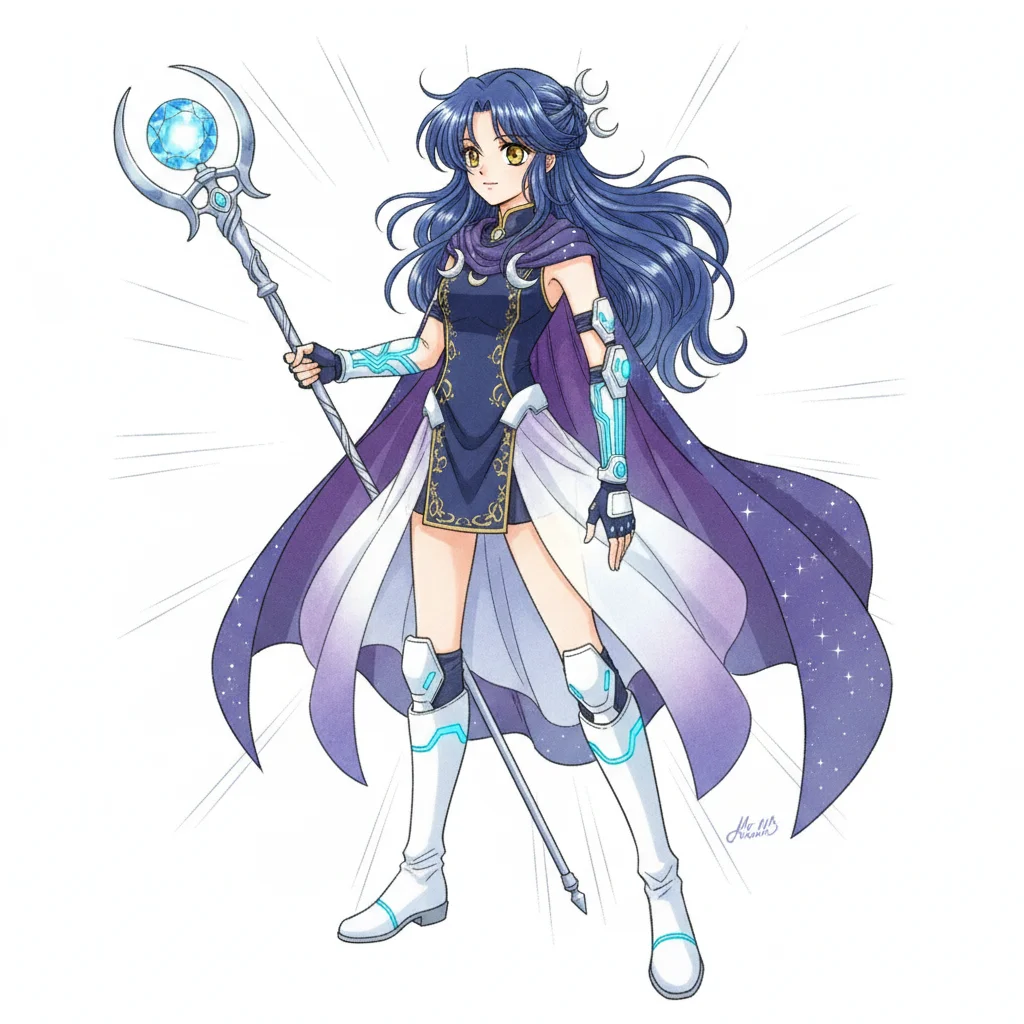
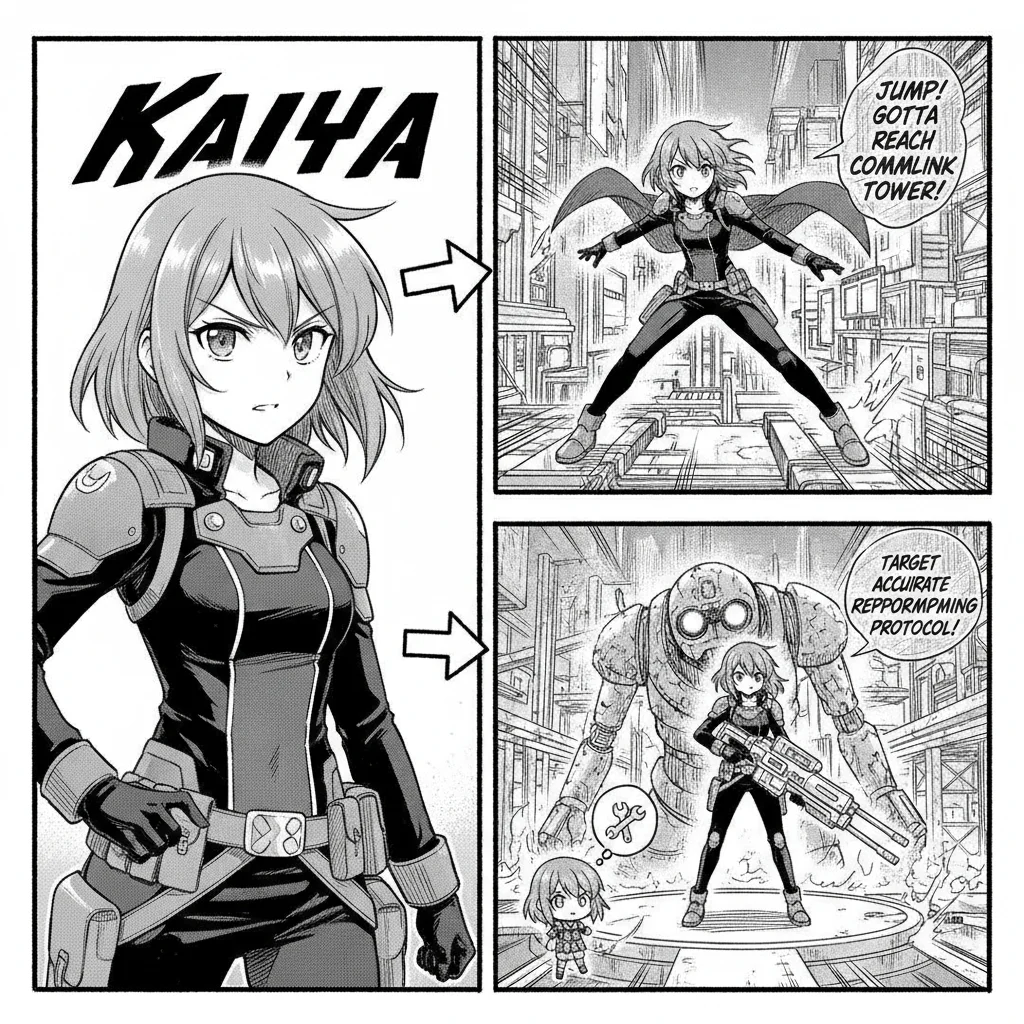
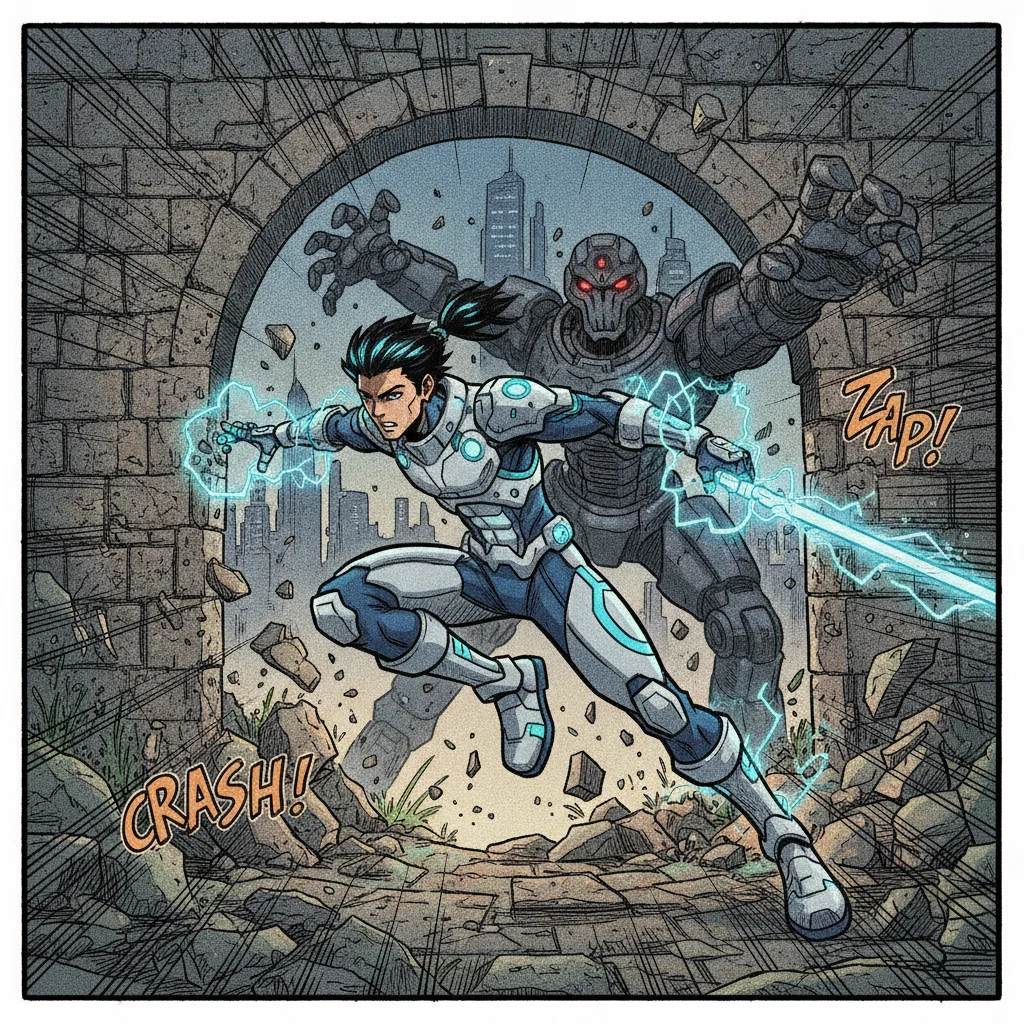
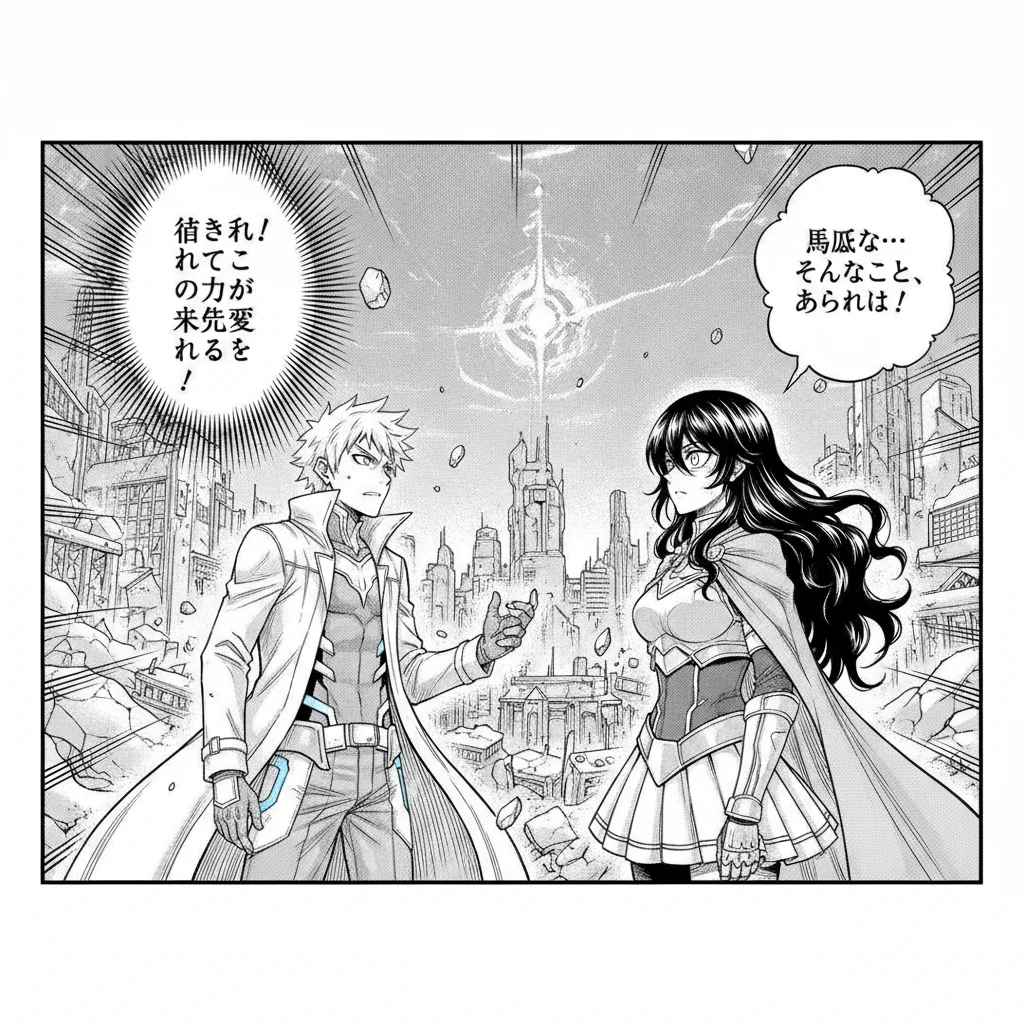
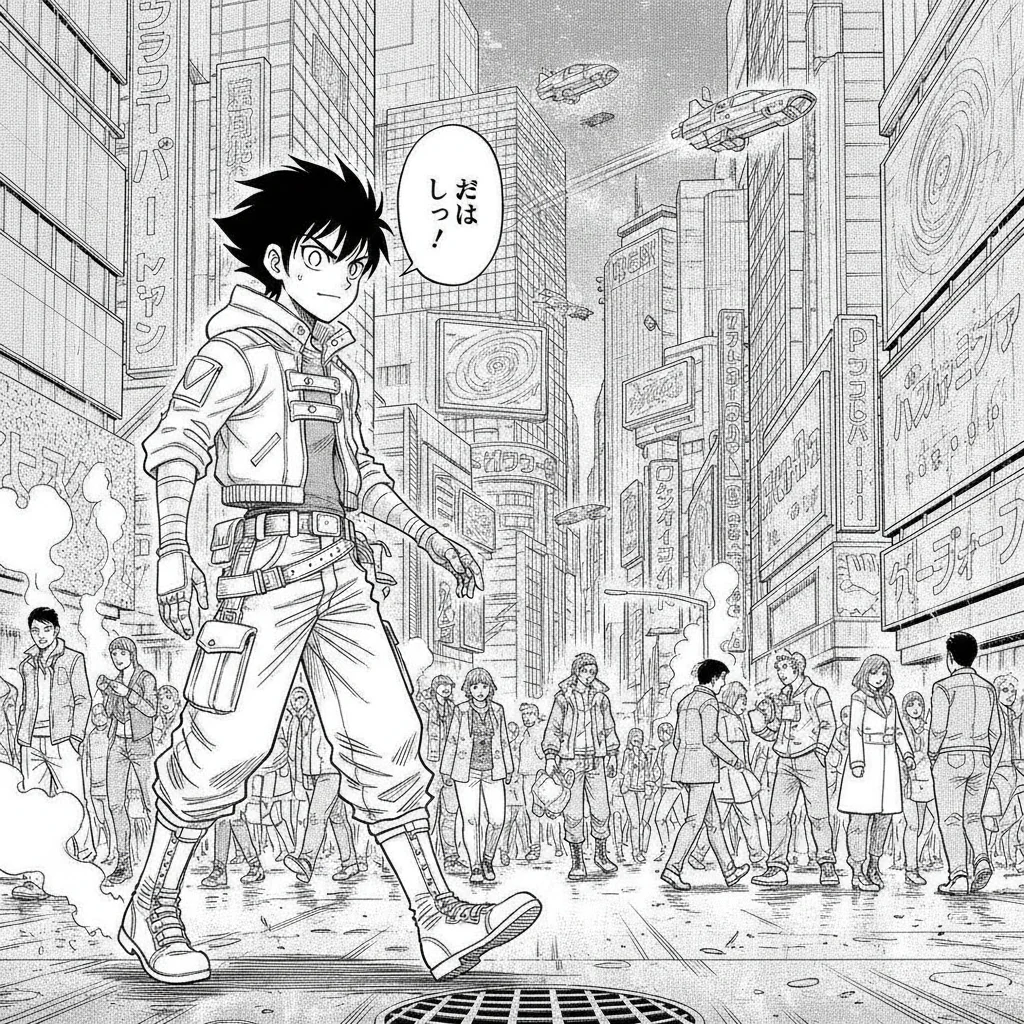
Comistitch’s AI manga character generator builds one hero reference image per character — face, hair, and outfit locked into manga art — and reuses it automatically across every panel of your comic. It is deliberately not two things the name might suggest: it doesn’t produce a multi-view turnaround sheet, and it isn’t a dress-up avatar editor. Signup is required, no credit card, to try it.
What “Manga Character Generator” Means Here
Searches for a manga character generator turn up a mix of tools: some are dress-up avatar makers (click together premade hair, eyes, and outfits from a fixed library, in the style of Picrew or Charat), and some are single-image art generators that produce one portrait and stop. Comistitch is neither of those. It’s a character-building step inside a full comic pipeline — the output exists to make later panels consistent, not to be a standalone collectible avatar.
The output is one hero reference image. New character generations are single 3:2 portraits, not multi-pose turnaround sheets. You get one anchor image per character, framed to show hairstyle, outfit, and facial design clearly — not a grid of front/side/back views.
That reference gets reused, not re-described. Once a character exists, generating comic panels later pulls that same reference into the scene automatically. You’re not typing “same character as before, brown hair, red jacket” into every panel prompt — the system handles that continuity for you.
It’s a production input, not a finished portrait. The reference image is built to feed panel generation cleanly, which is a different design goal than a polished single-image character portrait meant to be saved and shared on its own.
Why It’s Not a Turnaround Sheet
A traditional character turnaround sheet shows the same character from several fixed angles — front, three-quarter, side, back — so an artist has a full reference before drawing new poses. That’s a real, useful artifact for professional character design, and it’s not what this generator produces.
Comistitch’s manga character generator gives you one angle: a single hero reference portrait. If your project needs the character drawn from an angle the reference doesn’t show, the comic panel generation step handles that at generation time — using the one reference as its visual anchor for identity, not as a literal pose to copy. This is a real trade-off worth naming plainly: if you specifically need a multi-view sheet for hand-drawing or a separate production pipeline, this tool won’t give you one.
Why It’s Not a Dress-Up or Avatar Editor
Dress-up tools like Picrew and Charat work from a closed set of premade parts — a fixed catalogue of hairstyles, eye shapes, and outfits that a real artist drew in advance. You click through options and combine them; nothing new is generated.
Comistitch works the opposite way. You describe the character in your own words, or hand it a reference photo, and the AI generates an original manga-style image from that input — nothing is selected from a preset library. The result is also meant to be used differently: a Picrew avatar is typically the finished product, saved and shared as-is. Comistitch’s hero reference is a mid-pipeline artifact whose job is to keep the same character recognizable once it starts appearing inside comic panels.
Building From a Reference Photo
If you have a photo — of yourself, a friend, or a face you want to base a character on — upload it during character creation. Comistitch copies the face and outfit from that photo into a new manga-style character design. The output is original AI art restyled into manga conventions, not the source photo pasted into your comic; this is what makes the resulting character usable inside a stylized comic project without looking like a photo collage.
Getting Started
Step 1: Describe your character, or upload a reference photo. A few sentences on hairstyle, outfit, and personality-driving details (a scar, signature color, posture) gives the generator enough to work with. A reference photo gets the face and outfit copied into the new design instead.
Step 2: Review the hero reference. This is the image every later panel will be built around — check that the hairstyle, outfit, and overall design match what you had in mind before moving on.
Step 3: Bring the character into your comic. Add them to a project and generate panels — Comistitch pulls the hero reference into each scene automatically, so the same face and outfit carry through the story.
For the broader manga art style — paneling conventions, screentone, genre presets — see the AI manga generator page. And if you don’t have a character concept yet, the free OC generator writes a text profile you can turn straight into a description here, or start from scratch in the character creator.