Publishing a webcomic in 2026 is less about whether you can reach readers and more about which trade-off you want to make: reach, money, or ownership. The platform you pick decides which one you optimize for — and most creators pick wrong because they chase audience size before they understand the rights they are signing away.
The short answer: for most creators, Webtoon Canvas is the best place to publish a webcomic in 2026 because of its built-in reader base and discovery engine. Tapas wins on monetization flexibility, GlobalComix wins for page-format and pro comics, and your own Comistitch-exported site wins for ownership and rights. The right move is usually one primary platform plus one mirror you control.
In short
- Best overall / discovery: Webtoon Canvas — biggest built-in audience, strongest algorithm
- Best monetization flexibility: Tapas — ad-share, tips, and unlock revenue for mid-size creators
- Best for page-format pro comics: GlobalComix — proper page reader, paid-subscription audience
- Best for ownership and rights: your own site, exported from Comistitch — keep ~100% of direct sales and every IP right
- Best beginner setup: publish on Canvas, mirror to your own site, avoid early exclusivity
- AI comics are allowed on self-publish tiers in 2026 if you own the output — Comistitch output is MoR-safe with commercial rights included
Can You Publish AI Comics on These Platforms in 2026?
Before ranking platforms, settle the question that blocks most AI creators: are AI-assisted webcomics even allowed?
As of 2026, the answer on every major self-publish tier is yes — with two conditions. First, you must own the rights to the output. Second, you must disclose AI involvement where the platform asks. The risk is never the art style; it is whether your generator actually grants you commercial rights. Many free tools do not.
This is where the AI comic copyright and commercial-use guide matters: because Comistitch operates as the merchant of record and includes commercial rights in every paid plan, the output clears the ownership bar that platforms enforce. You are publishing AI-original fictional artwork that you own — not scraped or licensed-restricted images.
| Platform (self-publish tier) | AI comics allowed (2026)? | Ownership of your work | Disclosure required |
|---|---|---|---|
| Webtoon Canvas | Yes, with rights + disclosure | You retain ownership | Yes, where prompted |
| Tapas Canvas | Yes, with rights | You retain ownership | Recommended |
| GlobalComix | Yes, with rights | You retain ownership | Recommended |
| Your own site | Yes — your rules | You retain everything | Optional |
In short: AI webcomics are allowed on self-publish tiers in 2026 as long as you own the output. The generator, not the platform, is the real gatekeeper.
What Makes a Webcomic Platform Worth Publishing On?
Before the ranking makes sense, you need the criteria it is built on. Four factors decide whether a platform is right for your series — and they pull against each other, which is why no single platform wins everything.
- Reach. How many readers already use the platform daily, and how aggressively does its algorithm surface new self-published work? Reach is borrowed, not owned.
- Monetization. Can you earn early through tips and unlocks, or only after crossing ad-revenue thresholds? Flexible models reward small loyal audiences; threshold models reward scale.
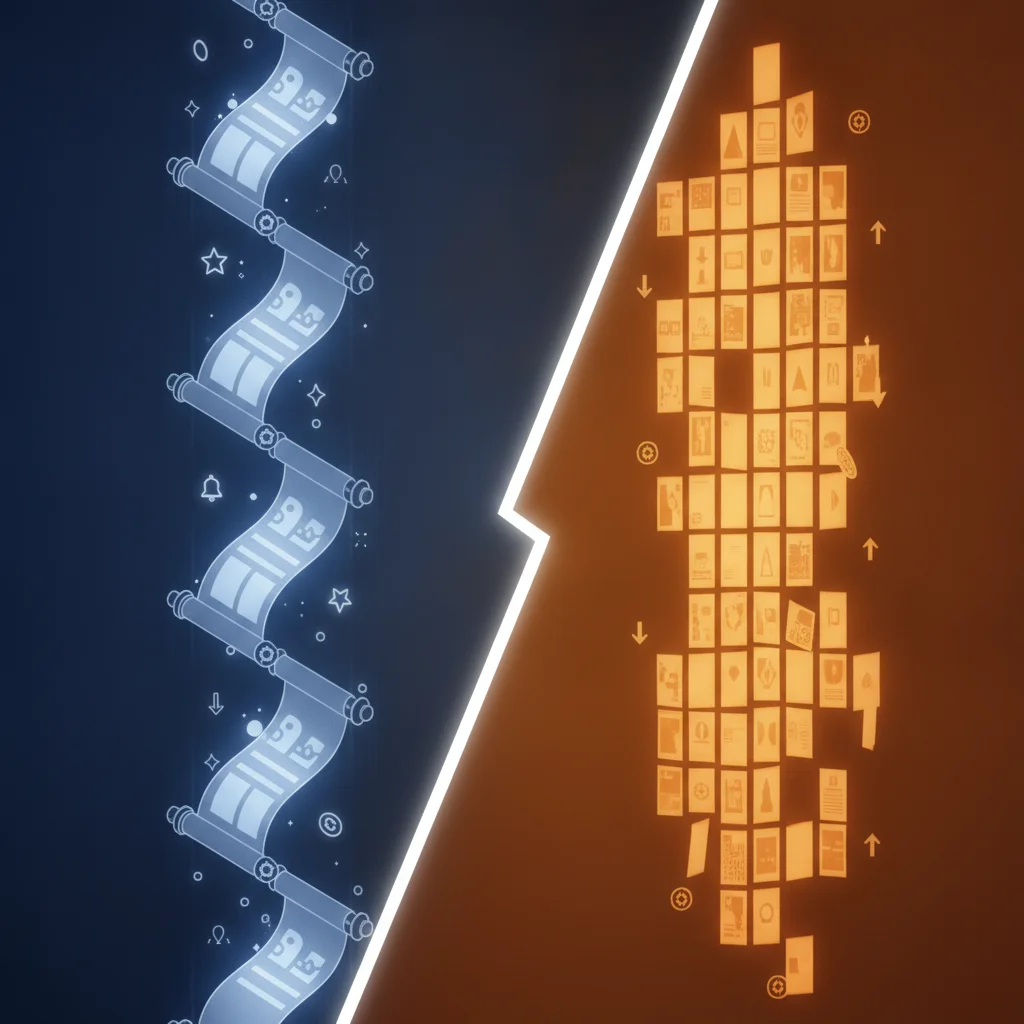
- Format fit. Vertical scroll suits episodic mobile reading; page format suits painted graphic novels and print. Publishing the wrong format on the wrong platform fights your layout the whole way.
- Rights and exclusivity. Self-publish tiers let you keep ownership and cross-post. Signed deals trade those rights for promotion. The further you go toward a featured contract, the less you control.
The ranking below weighs all four. A platform that wins on reach (Webtoon) loses some monetization flexibility; one that wins on rights (your own site) loses borrowed reach. Match the platform to the factor you most need right now, not the one with the biggest logo.
In short: judge platforms on reach, monetization, format fit, and rights. They trade against each other — pick for the factor you need at your current stage.
1. Webtoon Canvas — Best for Discovery and Scale
Webtoon is the largest vertical-scroll comic platform in the world, and Canvas is its open self-publish tier. If your goal is to be found by readers who already open a comic app every day, nothing else comes close.
Why it ranks first: the discovery engine. Webtoon’s recommendation system surfaces new Canvas series to genre browsers, and consistent uploaders get algorithmic lift. You are publishing into an existing habit, not building an audience from zero.
The trade-offs: monetization is gated behind thresholds (Creator Rewards, ad revenue) that take time to reach, and the vertical-scroll format is mandatory. A page-format graphic novel has to be re-flowed into a tall single column. The good news: Comistitch exports vertical-scroll natively, so formatting is a setting, not a redraw.
Best for: episodic, genre-forward series — romance, action, fantasy, slice-of-life — where weekly cadence and broad reach matter more than per-chapter income. If you are building specifically for this format, the AI webtoon creator style is tuned for vertical-scroll output.
2. Tapas — Best for Monetization Flexibility
Tapas is the closest competitor to Webtoon in the Western market, and it differentiates on money. Its self-publish tier supports a wider mix of revenue paths earlier: tips (“ink” unlocks), ad-share, and early-access paywalls.
Why it ranks second: for a mid-size creator with a loyal-but-not-massive following, Tapas often converts that audience into income faster than Canvas. The unlock model lets dedicated readers pay to skip the wait, which rewards a back catalog.
The trade-offs: the audience is smaller than Webtoon’s, so pure discovery is weaker. You generally bring some of your own reach. Like Webtoon, the default reading mode is vertical scroll.
Best for: creators who already have a small community (Discord, social, newsletter) and want to monetize it through unlocks and tips rather than wait for ad thresholds.
3. GlobalComix — Best for Page-Format and Pro Comics
GlobalComix serves the part of the market the vertical-scroll giants ignore: traditional page-format comics and graphic novels, read in a proper page viewer, by an audience that pays subscriptions to read pro work.
Why it ranks third: if you are building a painted graphic novel or a Western-style single-issue series, vertical scroll fights your layout. GlobalComix lets you publish full-page spreads the way they were composed, and its readers expect to pay for quality. The realistic and painted styles covered in the AI realistic comic generator guide are a natural fit here.
The trade-offs: smaller total audience than Webtoon, and the format is less suited to bite-size mobile episodes. Discovery is improving but not algorithmic at Webtoon’s scale.
Best for: page-format graphic novels, prestige one-shots, and creators who want a subscription-paying readership over viral reach.
4. Your Own Site (Comistitch Export) — Best for Ownership and Rights
The platform nobody ranks but everybody should run in parallel: your own site. Export your finished chapters from Comistitch, host them on a simple site or store, and you keep close to 100% of direct sales and every IP right.
Why it matters: every hosted platform is rented land. An algorithm change, a policy shift, or a banned account can cut your reach overnight. A site you own is the one audience relationship no platform can revoke. When you decide to format and ship, the builder handles both vertical-scroll and page export, so mirroring a chapter to your own site is a few minutes of work, not a separate production pass.
The trade-offs: you supply 100% of the traffic. Your own site has no built-in discovery — it is a destination, not a feed. That is exactly why it pairs with a discovery platform rather than replacing one.
Best for: every serious creator, as the mirror to a primary discovery platform. Own a copy of your audience from day one.
How Do These Platforms Compare Side by Side?
| Platform | Audience reach | Monetization | Format | AI-comic policy (2026) | Ownership / export | Best for |
|---|---|---|---|---|---|---|
| Webtoon Canvas | Very high | Thresholded (rewards, ads) | Vertical scroll | Allowed, disclose | You own; license to host | Discovery & scale |
| Tapas | High | Flexible (tips, unlocks, ads) | Vertical scroll | Allowed | You own; license to host | Monetizing a community |
| GlobalComix | Medium | Subscription / sales | Page format | Allowed | You own; license to host | Pro page comics |
| Your own site | You supply it | ~100% of direct sales | Any (you choose) | Your rules | You own everything | Ownership & rights |
In short: Webtoon for reach, Tapas for flexible income, GlobalComix for page comics, your own site for rights. Run one discovery platform plus your own mirror.
How Do You Format an AI Comic for Each Platform?
Formatting is the step most creators underestimate. The same chapter needs different geometry per platform, and re-generating pages to fit is a waste — you format once per target from a single master project.
Here is the kind of generation prompt that produces a panel clean enough to re-flow into either layout, built from inside the builder:
Style: semi-realistic webcomic, cinematic lighting.
Scene: a lone courier waits on a rain-wet station platform at night,
neon signage reflecting in puddles, wide establishing framing.
Panel: single wide panel, generous negative space at top and bottom
for vertical-scroll gutters, no speech bubbles yet, no text.
Mood: quiet tension before the train arrives.
The generous negative space is deliberate — it gives you room to stack the panel into a Webtoon column or crop it into a page spread without re-rolling. For the full vertical-scroll method, the webtoon vertical-scroll paneling guide covers gutter timing and cliffhanger cuts; for the end-to-end publish pass, see the turn-your-AI-comic-into-a-webtoon publishing guide and, for page-format manga, publish your AI manga from script to page. The webtoon-and-Tapas cross-posting workflow is broken down in publishing a webtoon on Webtoons and Tapas.
In short: format once per target from a master project. Build panels with extra negative space so they re-flow into vertical or page layouts.
Which Platform Should You Pick?
If you want a single decision rather than a ranking, use this:
- Want to be discovered fast? → Webtoon Canvas, mirrored to your own site.
- Already have a community to monetize? → Tapas, mirrored to your own site.
- Building a painted page-format graphic novel? → GlobalComix, mirrored to your own site.
- Want maximum control and rights? → lead with your own site, syndicate to one feed for reach.
Notice the constant: always run your own mirror. The discovery platform rents you an audience; your own site is the copy you keep.
For a deeper, criteria-by-criteria walkthrough that weighs AI policy, revenue split, and audience for nine platforms, work through the where-to-publish-your-AI-comic decision tree — this ranked list tells you what’s best; the decision tree tells you how to choose. When you are ready to format and export a chapter, the Comistitch Studio builder ships vertical-scroll and page layouts from the same project.
In short: lead with one discovery platform, always keep your own mirror, and chase an exclusive deal only after you have steady reach you can afford to trade.
Frequently Asked Questions
Can I publish AI comics on Webtoon Canvas in 2026? Yes — Canvas allows AI-assisted comics if you own the output and disclose where prompted. Comistitch output is AI-original with commercial rights included, which meets that bar.
Which platform pays creators best? It depends on stage. Tapas is most flexible for mid-size creators; Webtoon pays through thresholds; your own site keeps ~100% of direct sales but you supply the traffic.
Do I keep my rights on Tapas? On the self-publish Canvas tier, yes — you license, not assign. Signed Originals deals can change that with exclusivity terms. Read the contract.
Can I cross-post the same comic to multiple platforms? Usually yes for self-publish tiers; no for signed exclusive deals. Keep master files so you can format per platform.
How do I convert my comic to vertical scroll for Webtoon? Re-flow panels into an 800px-wide tall column with generous gutters. Comistitch exports vertical-scroll directly, so it is a setting, not a redraw.
What’s the best beginner setup? Webtoon Canvas for discovery plus your own Comistitch-exported mirror for ownership. Skip early exclusivity.
Start Publishing Your Webcomic
Pick your discovery platform, keep your own mirror, and ship on a steady cadence. When you are ready to format and export — vertical scroll for Webtoon and Tapas, page spreads for GlobalComix and print — open Comistitch Studio → and export your first chapter from a single master project.
Related Reading
- Where to Publish Your AI Comic in 2026 — the full decision tree
- Publish a Webtoon on Webtoons and Tapas — cross-posting workflow
- Turn Your AI Comic Into a Webtoon — publishing guide
- Publish Your AI Manga From Script to Page — page-format publishing
- How to Publish Manhwa Online — the manhwa-specific platform guide