Painted-realism superheroes are the prestige register of the genre — the Alex Ross lineage where capes have weight, light behaves like it does on a film set, and a single splash page can feel like a movie poster. Recreating that look used to mean a gouache brush and a forty-hour page. This showcase walks through building an AI superhero comic in painted realism, end to end, as a real mini-project.
The short answer: you build a painted-realism superhero comic by locking a precise hero bible, scripting every dramatic panel with a named light source, and generating in a painted style (Comistitch’s Graphic Novel Painted or Hyperreal Painted). The AI supplies the painted fidelity in minutes; you supply the silhouette discipline and the lighting direction that make it read as prestige rather than generic.
In short
- Painted realism = weight, gravity, cinematic key lighting — the Alex Ross register
- The look depends on a named light source per panel, not on a “make it dramatic” prompt
- A locked hero bible (silhouette, color register, emblem) keeps the character consistent across an issue
- Graphic Novel Painted serializes; Hyperreal Painted is for cover-quality splash pages (both on every plan)
- 2–5 minutes per painted page vs 8–40 hours hand-painted, at comparable fidelity
- 100% AI-original, MoR-safe, commercial rights on Elite & yearly plans — build an original hero, not a trademarked one
What Makes Painted-Realism Superheroes Work?
Painted realism is a specific intersection of two traditions. From painted comics — the lineage Alex Ross brought to the mainstream — it inherits naturalistic anatomy, fabric that catches light, and a sense of physical mass. From cinema it inherits key lighting: one dominant directional source, a rim light to separate the figure from the background, and color grading that sets mood before a single line of dialogue lands.
When those two combine on a superhero, you get gravitas. The cape is not a flat shape; it is heavy cloth in a downdraft. The emblem is not a sticker; it catches the same light as the chest beneath it. That physical plausibility is exactly what flat-stylized superhero art trades away for speed.
The catch is that AI image models default to flat, even lighting — the opposite of what painted realism needs. The register only appears when you force three things every panel: a dominant key light, a rim or back light, and surface texture (matte fabric, scuffed armor, sweat-sheen on skin). Miss those, and you get a competent superhero illustration with no weight.
In short: painted realism = naturalistic mass + cinematic key lighting + surface texture. AI defaults to flat — you have to force the light.
How Do You Build a Painted Superhero Project Step by Step?
This is the mini-project that produced the splash pages in this showcase: an original urban-vigilante hero, six pages, painted realism, built in an afternoon.
Step 1. Lock the hero bible
The bible is the entire consistency strategy. For a painted superhero, it needs:
- Costume silhouette — cut, cape behavior, mask shape (described, never named after an existing hero)
- Color register — two or three locked costume colors plus their lit and shadowed values
- Build and posture — height, mass, default stance
- Signature emblem — placement and how it catches light
Resist exaggeration. Painted realism rewards a hero who looks like a real athletic person in a real costume, not a balloon-muscled cartoon. The character-consistency ultimate guide covers the bible discipline in full depth — read it once before a long superhero project.
Step 2. Script scenes with named lighting
A painted superhero scene line that works:
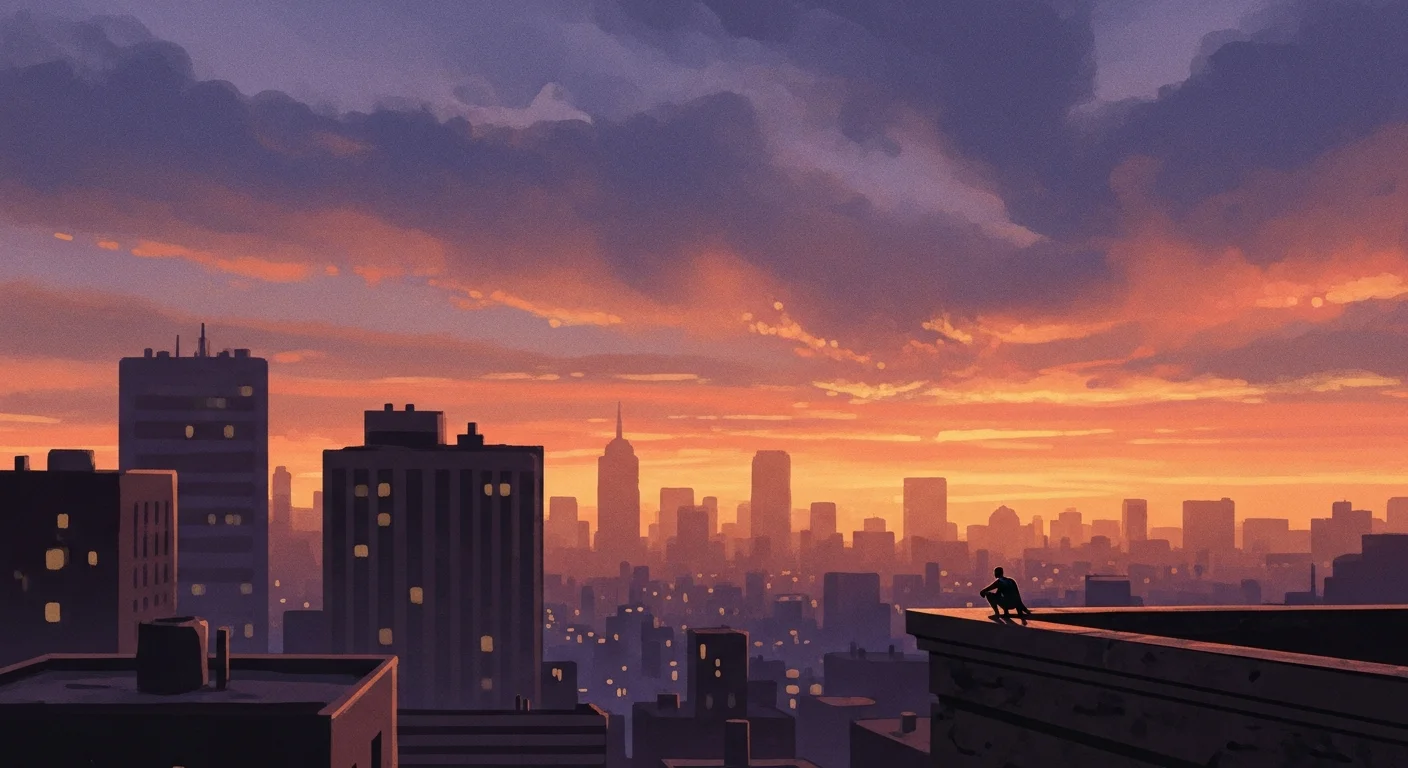
“Rooftop, night, after the explosion. Hero stands at the ledge facing away. Key light: low warm orange from the fire behind, hard rim on the shoulders and cape edge. Fill: cool city glow from below, faint. Smoke drifting left to right.”
Every dramatic beat names its light. That single discipline is the difference between painted gravitas and flat illustration.
Step 3. Generate from inside the builder
Here is the kind of prompt the project used to generate a painted splash, written from inside the builder:
Style: painted realism, gouache texture, cinematic key lighting.
Character: [locked hero bible — original urban vigilante, charcoal-and-amber
suit, angular mask, athletic build].
Scene: standing at a rooftop ledge facing away, city burning behind.
Light: low warm key from the fire behind, hard rim on shoulders and cape,
faint cool fill from city glow below.
Panel: full splash, heroic low-angle framing, smoke drifting, no text.
The builder handles the painted rendering and the seed lock; you supply the bible and the named light.
Step 4. Run a continuity pass
Generate the page, then audit three things panel to panel: costume color register, emblem placement, and key-light direction. Painted superhero pages have a moderate re-roll rate because the genre is unforgiving about a cape that changes weight or an emblem that wanders. Budget a few minutes per page for the audit.
In short: bible → named-light script → generate → continuity pass. The bible is the consistency strategy; the named light is the prestige look.
How Do You Lay Out Splash Pages and Dynamic Action?
Painted realism earns its keep on the splash page — the full-page hero shot that anchors an issue. The layout rules that make a splash land:
- Low-angle heroic framing. Camera below eye line makes the figure tower. It is the most reliable superhero composition there is.
- One focal beat, supporting insets. A dominant splash panel plus two or three small inset panels reads as cinematic, not cluttered.
- Diagonal energy. A pose or light direction cutting diagonally across the page creates motion even in a still figure.
- Negative space for impact. Painted detail needs room to breathe; an over-packed splash kills the gravity.
For dynamic action — leaps, mid-air catches, impacts — keep the hero figure smaller in frame and let the environment carry scale. A tiny silhouette mid-leap over a city gap reads as more dynamic than a face-filling close-up, and it keeps the work MoR-safe by avoiding portrait-level rendering. The western-genre equivalent of this staging is broken down in the western frontier realistic comic showcase, which uses the same wide-action discipline.
In short: low-angle framing, one focal beat plus insets, diagonal energy, negative space. For action, shrink the figure and let the environment carry scale.
What Are the Common Painted-Superhero Failure Modes?
Most painted-superhero re-rolls trace back to four predictable failures. Knowing them up front cuts your re-roll rate roughly in half.
The flat-lighting failure. The model produces a clean, competent superhero with no painted weight because the prompt did not name a light source. The hero looks like a costume illustration, not a cinematic figure. Fix: name one dominant key plus a rim light every panel — “low warm key from the left, hard rim on the shoulder.”
The costume-drift failure. Across a six-page run the emblem migrates, the cape changes length, or a secondary color shifts. This is a bible problem, not an AI problem. Fix: lock the costume’s lit and shadowed color values in the bible and restate the emblem placement in each scene line.
The exaggeration failure. The model leans cartoon — balloon muscles, impossible proportions — which breaks painted realism’s contract of physical plausibility. Fix: write “athletic, plausible anatomy, grounded proportions” into the bible and avoid superlative adjectives that push the model toward caricature.
The portrait-creep failure. A close-up on the hero’s face is both an MoR risk and a consistency risk, because faces are the hardest thing to hold stable. Fix: stage drama through the body, the silhouette, and the environment. A masked hero shot from behind against a burning skyline carries more weight than a face close-up — and it stays MoR-safe.
The deeper drift mechanics behind costume and character consistency are covered in the AI comic character consistency guide, which is worth one read before any multi-page superhero run.
In short: flat lighting, costume drift, exaggeration, and portrait-creep cause most re-rolls. Name the light, lock color values, ground the anatomy, and stage drama through the body.
Painted Realism vs Hand-Painted vs Midjourney: Which Wins?
The honest comparison for producing a painted superhero page at issue scale:
| Approach | Time per page | Character consistency | Painted texture | Cost at issue scale |
|---|---|---|---|---|
| Hand-painted (gouache) | 8–40 hours | High (one artist) | Authentic | Very high (labor) |
| Midjourney (general model) | Minutes | Low (no bible lock) | Strong single images | Low per image, high in retries |
| Comistitch Graphic Novel Painted | 2–5 minutes | High (locked bible + seed) | Painted-cinematic | Low, predictable |
Hand-painting wins on authenticity and loses on time and cost. A general model like Midjourney produces beautiful single images but has no project-level character lock, so a full issue drifts. The painted comic stack inside Comistitch trades a sliver of one-off image flourish for the thing that actually ships an issue: consistency across pages. For the full painted-style breakdown across all realistic registers, see the AI realistic comic generator guide, and for the specific Alex Ross technique, the Alex Ross painted realism step-by-step goes deeper than this showcase.
In short: hand-paint for authenticity, Midjourney for one-off images, Comistitch Graphic Novel Painted for a consistent full issue. Consistency is what ships.
How Do You Color a Painted Superhero Page?
Color is half of what makes painted realism read as prestige rather than as a bright cartoon. The discipline is restraint plus consistency.
Start from a locked register: two or three costume colors, each with a defined lit value and shadowed value. A charcoal-and-amber suit, for example, is not “gray and orange” — it is a specific dark warm-gray that goes near-black in shadow and a muted amber that goes brass under key light. Writing those lit and shadowed values into the bible is what stops the costume from strobing between panels.
Then grade the whole page toward a single mood. Painted superhero pages almost always sit in a restrained cinematic grade — warm key against cool shadow, or a dusk violet wash — rather than full saturation. The drama comes from the contrast between the lit emblem and the shadowed surroundings, not from cranking every color. This is the same teal-and-amber cinematic logic that prestige painted comics borrow from film, and it is why a painted page can feel like a movie still.
Finally, let the environment carry the saturation the hero withholds. A muted hero against a blazing explosion or a neon skyline pops precisely because the figure is restrained. The AI realistic comic generator guide covers how each painted style handles color grading across the realistic register.
In short: lock lit-and-shadowed costume values, grade the page toward one mood, and let the environment carry saturation the restrained hero withholds.
Can You Publish and Sell a Painted Superhero Comic?
Yes — with one rule: build an original hero. The painted look is not the legal risk; using a trademarked existing character is. Generate an original vigilante, and Comistitch’s MoR-safe, AI-original output ships clean for commercial sale. The full breakdown of rights, disclosure, and commercial use lives in the AI comic copyright and commercial-use guide. When you are ready to build, the AI superhero comic style is tuned for the genre, and you can compare plans on the pricing page to pick the plan that fits your credit and licensing needs.
In short: original heroes sell clean. Painted style is fine; trademarked characters are the only real risk.
Frequently Asked Questions
Can AI keep a superhero consistent across a whole comic? Yes — with a locked bible (silhouette, color register, emblem) and a consistent seed. Drift comes from vague descriptions, not the AI.
Is painted realism better than cel-shaded for superheroes? Different goals. Painted realism gives prestige weight; cel-shaded reads faster for high-energy serials.
Can I sell an AI superhero comic? Yes, with an original character and a generator that grants commercial rights. Comistitch output is MoR-safe and AI-original.
Which plan suits painted superhero work? Graphic Novel Painted for serialized work; Hyperreal Painted for cover-quality splash pages — both on every plan.
How do I get dramatic splash lighting? Name the light source — direction, color, intensity. One dominant key plus a rim light is the painted-superhero formula.
How long does a painted page take? Two to five minutes including a continuity pass, versus eight to forty hours hand-painted.
Start Your Painted Superhero Project
If you are building a grounded, cinematic superhero story where atmosphere matters as much as action, painted realism is your register. Open Comistitch Studio → and select Graphic Novel Painted or Hyperreal Painted to lock your hero bible and generate your first splash.