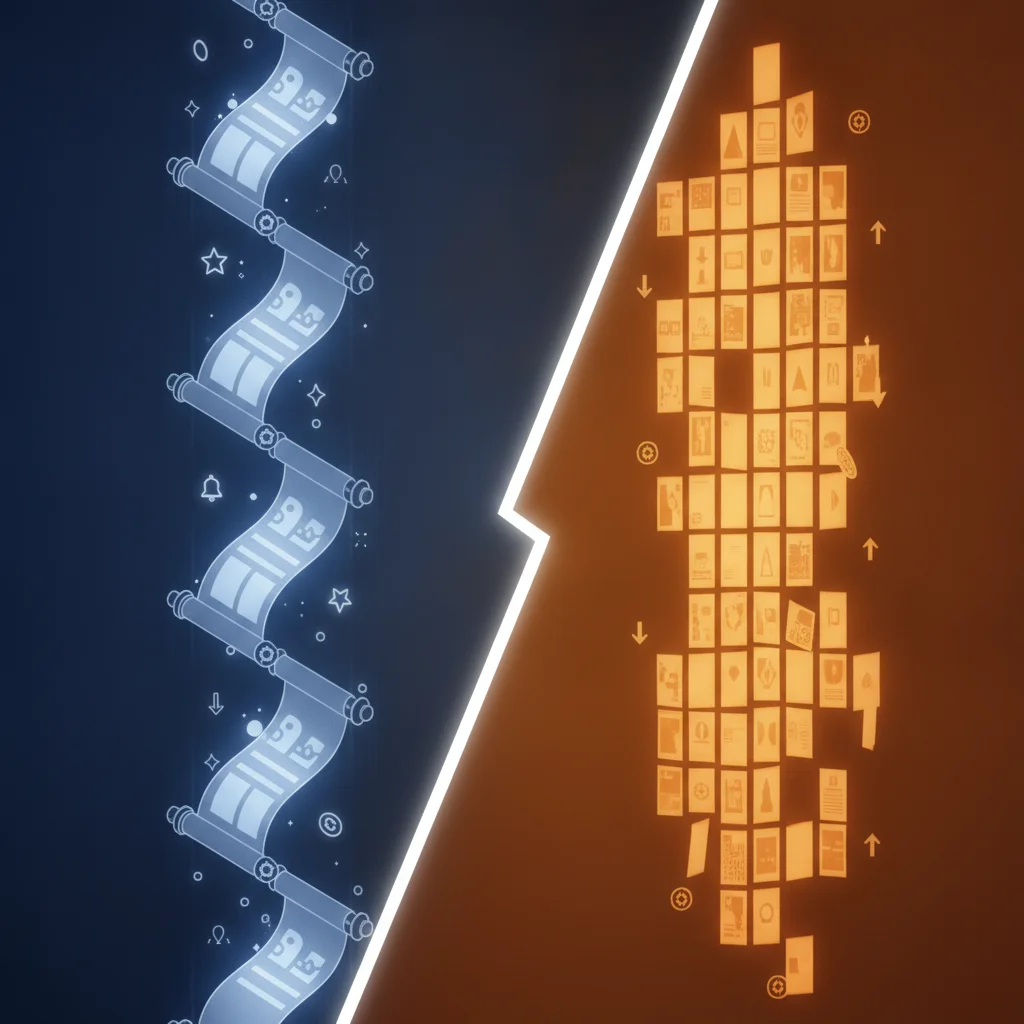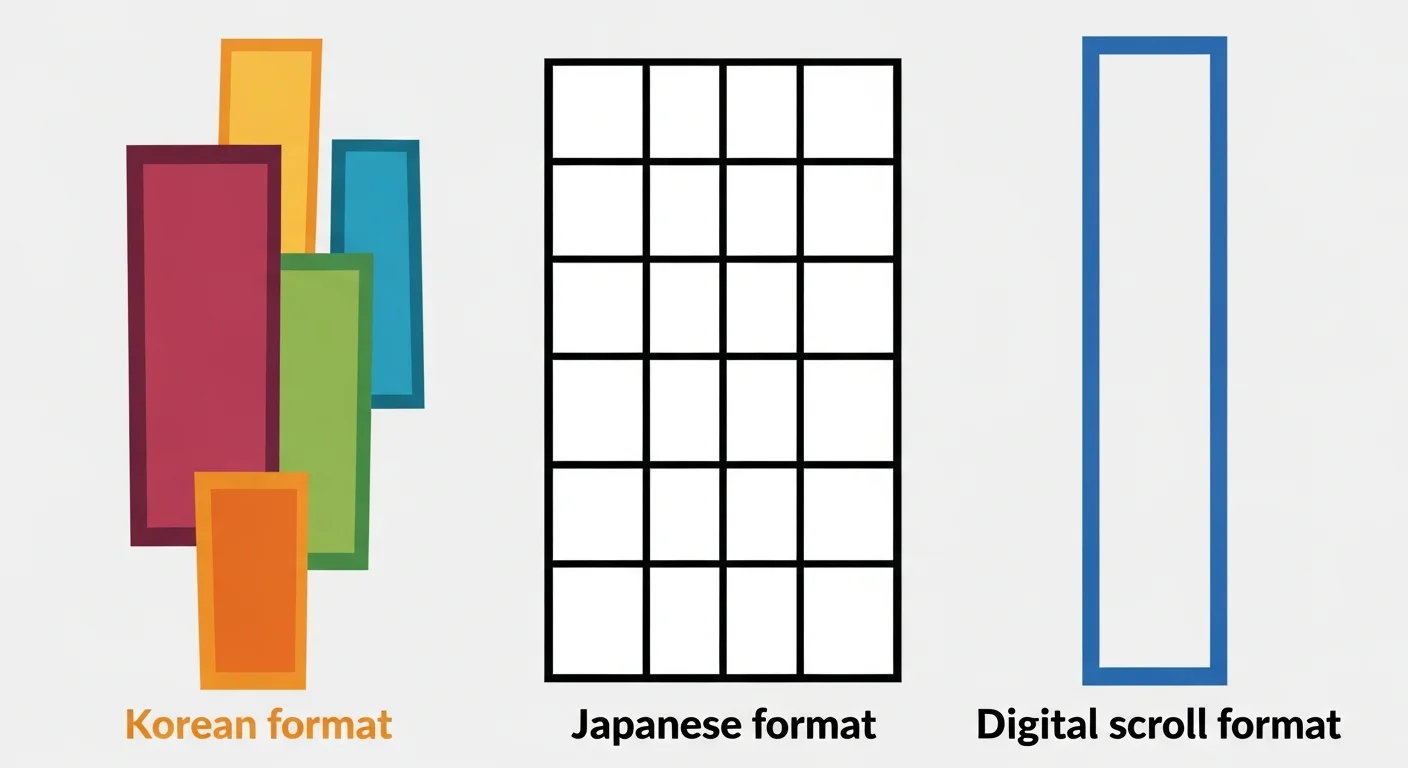
Manhwa is Korean. Manga is Japanese. Webtoon is a format, not a country. Two of these words tell you where a comic came from. The third tells you how you read it. That is the entire confusion, and the table below resolves it in one screen.
Manhwa vs Manga vs Webtoon: The Comparison Table
| Manhwa | Manga | Webtoon | |
|---|---|---|---|
| What the word means | Korean comics | Japanese comics | Vertical-scroll digital format |
| Origin | South Korea | Japan | South Korea (the format, early 2000s) |
| Color | Full color (standard) | Black and white with screentone | Full color (convention, not a rule) |
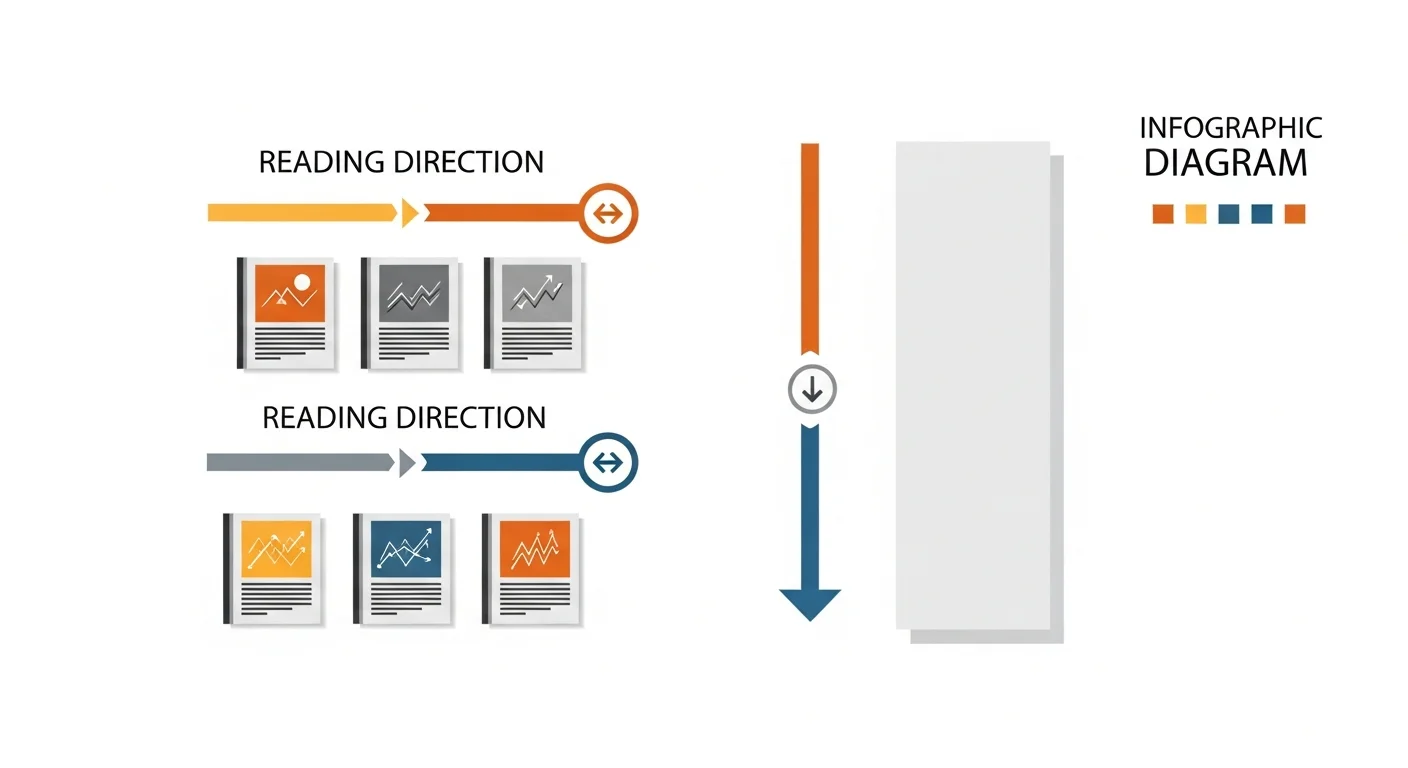
| Reading direction | Left to right | Right to left | Top to bottom, continuous scroll |
| Page structure | Pages, panel grids | Pages, panel grids | One infinite strip, long gutters |
| Typical genres | Murim, regression, romance, fantasy | Shonen, shojo, seinen, isekai | Mirrors manhwa — romance, fantasy, action |
| Where you read it | Naver, Kakao, LINE Webtoon, Tapas | Manga Plus, VIZ, Crunchyroll, print volumes | LINE Webtoon, Tapas, Lezhin, Piccoma |
| Can it be the other two? | Yes — a manhwa is usually also a webtoon | Rarely published as a webtoon, but possible | Yes — a webtoon can be Korean, Japanese, or original English |
The verdict, in one line each
- Manhwa vs manga — same medium, different country, and therefore different defaults: color vs black-and-white, left-to-right vs right-to-left.
- Webtoon vs manhwa — not a rival pair. Manhwa is who made it; webtoon is how it is delivered. Most webtoons are manhwa; not all manhwa are webtoons.
- If you are making one — pick by the platform you want to publish on, not by the label. Publishing to LINE Webtoon or Tapas means vertical scroll. Publishing to Manga Plus or print means pages.
Manga vs Manhwa: What Is Actually Different?
Four differences matter to a reader, and only three matter to a creator.
1. Reading direction. Manga reads right to left — top-right panel first, pages turn backwards relative to an English book. Manhwa reads left to right, like English. This is the single difference most likely to confuse someone picking up their first volume.
2. Color. Manga is printed in black and white because print economics made it so, and the tradition stuck: screentone sheets and speed lines do the work color would otherwise do. Manhwa went digital early, where color costs nothing, so full color became its signature.
3. Genre vocabulary. Manga exports its own genre words — shonen, shojo, seinen, josei. Manhwa exports different ones: murim (martial-arts worlds), regression (the protagonist restarts their life knowing the future), tower-climbing progression fantasy.
4. Publishing rhythm. Manga is chaptered around weekly or monthly magazine serialization and collected into volumes. Manhwa is episodic, released per episode on an app, and often monetized per episode.
Vietnamese readers searching “manga và manhwa khác nhau chỗ nào”: the short answer is direction and color. Manga đọc từ phải sang trái, đen trắng; manhwa đọc từ trái sang phải, tô màu đầy đủ.
Para leitores que procuram “diferença entre manhwa e mangá”: manhwa é coreano, colorido, lido da esquerda para a direita; mangá é japonês, em preto e branco, lido da direita para a esquerda.
Webtoon vs Manhwa: Is a Webtoon Just a Korean Comic?
No — and this is the question Korean readers ask as 만화와 웹툰의 차이, the difference between comics and webtoons.
The confusion has a concrete historical cause. When Naver and Daum invented the vertical-scroll format in the early 2000s, they filled it almost entirely with Korean work. LINE Webtoon then carried that format worldwide. So in everyday speech “webtoon” came to mean “full-color Korean-style scrolling comic” — which describes most manhwa.
But the two words answer different questions:
- Manhwa answers where does this come from. A printed Korean comic from 1995 is manhwa and is not a webtoon.
- Webtoon answers how is this delivered. A black-and-white Japanese-style scrolling comic is a webtoon and is not manhwa. So is an original English-language series on Tapas.
For a creator the practical consequence is small but real: choosing “manhwa” picks a look, choosing “webtoon” picks a canvas. Most projects want both, which is why the terms blur.
Which Reads Left to Right — Manga or Manhwa?
Manhwa. It follows the same direction as English text, so a Western reader needs no adjustment.
Manga reads right to left: start at the top-right panel of the right-hand page and work leftward and downward. Official English releases almost always preserve this, which is why translated volumes open from what feels like the back.
Webtoons sidestep the question entirely. There is no page turn — you scroll, and the creator controls pacing by how much empty gutter sits between panels.
What About Manhua?
Manhua is the Chinese equivalent: Chinese-language comics, usually full color, usually read left to right, and increasingly published in vertical scroll on platforms like Kuaikan and Bilibili Comics. Cultivation and xianxia stories dominate. If you have seen the three-way comparison and wondered why a fourth word keeps appearing, that is it — the same pattern, a different country.
What Is Manhwa?
Manhwa (만화) is simply the Korean word for comics. It covers printed Korean comics as well as the digital webtoon work Korean studios pioneered.
Color is near-universal: rich gradients, cinematic lighting, expressive palettes. Reading direction is left to right. Genres skew to fantasy, romance, action and school drama, with murim and regression as distinctly Korean staples. Where to read: LINE Webtoon, Kakao Page, Naver Series, Tapas.
For the creation side, the action manhwa with AI showcase breaks down combat pacing and color theory, and the AI manhwa generator style page covers the builder settings.
What Is Manga?
Manga (漫画) is the Japanese word for comics; outside Japan it means Japanese comics specifically or work in that tradition.
Color is predominantly black and white, with screentone shading carrying tone and texture. Color pages exist but are the exception. Reading direction is right to left. Genres gave the world its shared vocabulary — shonen, shojo, seinen, josei, isekai, slice of life. Scale: the global manga market is valued at over USD 23 billion. Where to read: print volumes, Manga Plus, VIZ Media, Crunchyroll Manga.
Our best AI manga generators comparison for 2026 benchmarks tools on manga specifically, and the AI manga generator style page covers the black-and-white pipeline.
What Is a Webtoon?
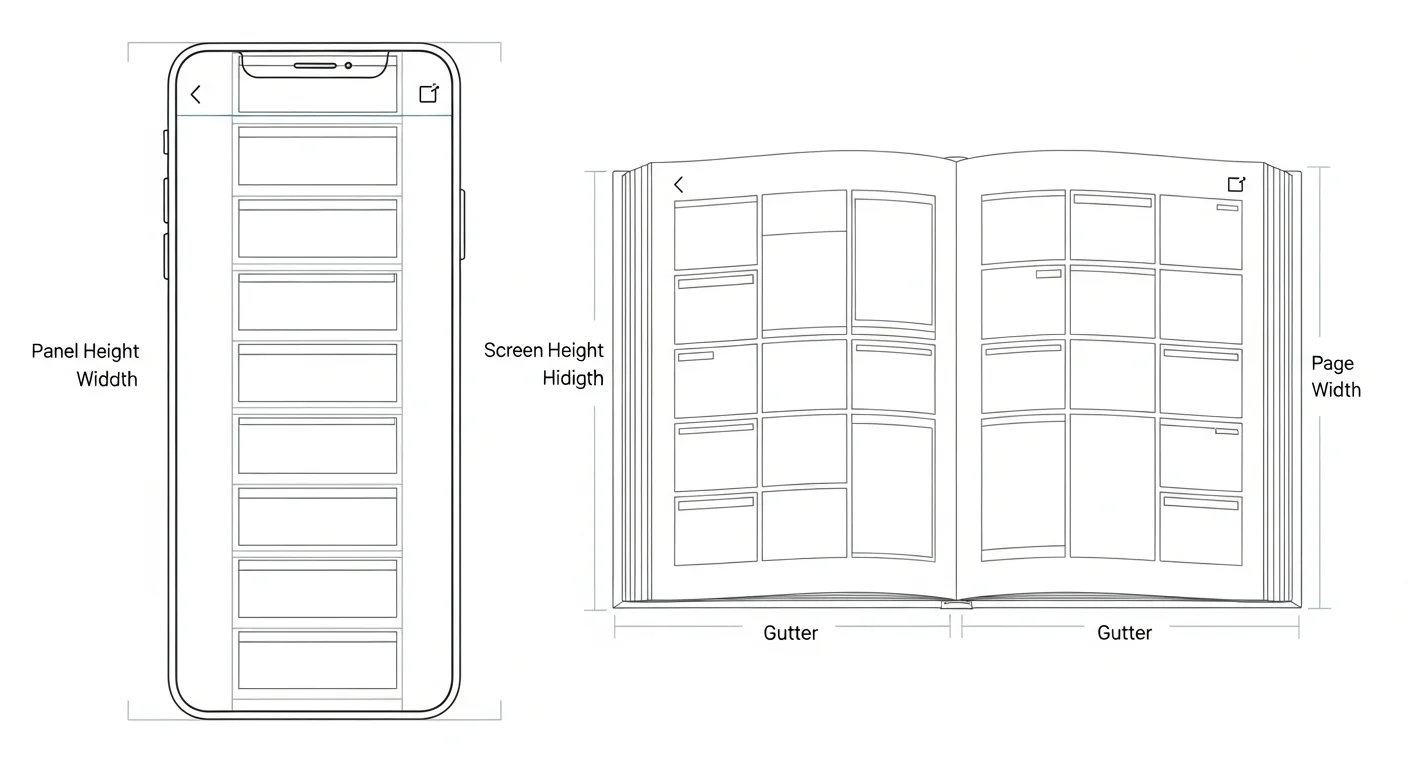
A webtoon is a comic built for a phone: one tall, narrow canvas read by scrolling, with no page turn anywhere in it.
Structure is the defining trait. Wide establishing shots stack above close-up reactions; long empty gutters create pauses; an episode ends on a cliffhanger sized to fit a thumb-scroll session. Color is conventional, not mandatory. Nationality is open — Korean manhwa dominates commercially, but Japanese, original English, Southeast Asian and Latin American work all publish in the format. Where to read: LINE Webtoon (CANVAS for indies, Originals for contracted creators), Tapas, Lezhin, Piccoma.
For the full build process, see how to create a webtoon with AI and the AI webtoon creator style page.
Which Should You Create?
Pick by destination, then by genre. The label follows from those two answers.
Choose manhwa style if your story is fantasy, romance, murim or school drama; you are publishing to LINE Webtoon, Tapas or Lezhin; and you want full color that reads well on a phone.
Choose manga style if your story fits shonen, shojo, seinen, horror or sports; you want black-and-white screentone linework; and you are targeting Manga Plus, Crunchyroll Manga or print volumes.
Choose webtoon format if mobile is your primary delivery, you want cliffhanger-driven scroll engagement, and you are publishing per episode on a platform that pays by view — regardless of which national style you draw in.
Not sure yet? Two free tools are quicker than an argument about terminology: the manhwa title generator tells you fast whether your premise sounds like a webtoon or a manga series, and the manga script generator turns a premise into a paneled first scene you can read. If your idea is isekai, start from the isekai story idea generator instead.
Inside Comistitch, manhwa, manga and webtoon are a single style setting. Panel layout, color processing and canvas orientation change together, so you can run the same script through all three and compare before committing.
The Short Answer
Manhwa is Korean, manga is Japanese, and webtoon is how you read either one on your phone. The three words describe national origin, visual tradition and delivery format — three different axes that people flatten into one question because Korean webtoon culture came to dominate global digital comics so completely that its format became the category’s default name.
Pick the platform first. The style follows.
Make it in Comistitch. If manhwa is the fit, the AI manhwa generator has the style dialed in. Start creating your own comic free →
External references: Global manga market size — Statista · LINE Webtoon creator program · Naver Webtoon Wikipedia overview