An AI manhwa generator is a tool that converts written story descriptions into full-color Korean comic panels using AI image generation. Comistitch’s AI manhwa generator is one complete pipeline — it takes your premise and produces a serialized, vertical-scroll episode with consistent characters, full-color rendering, and exportable pages, without requiring any drawing skill. No credit card is needed to try it, and the free tier requires only a quick signup.
In short: Comistitch generates authentic full-color manhwa from your story — character cards, scene descriptions, and emotional beats in; finished vertical-strip episodes out. No illustration background needed.
What Is an AI Manhwa Generator?
An AI manhwa generator is software that produces manhwa-style comic panels from text input. Unlike a general-purpose AI image tool, a purpose-built manhwa generator understands the visual conventions of Korean comics — full-color rendering, left-to-right panel flow, refined character aesthetics, emotionally expressive close-ups, and richly detailed backgrounds — and applies them automatically based on your scene descriptions.
The term covers a spectrum. At one end, you have single-image generators that produce one panel at a time from a prompt. At the other end, you have full story pipelines like Comistitch that read a complete chapter premise, break it into a logical panel sequence, generate all the artwork in the manhwa style, and export a finished episode. The difference matters enormously for anyone building a serialized series.
“Manhwa” (sometimes misspelled manwha) refers specifically to Korean comics as a cultural tradition. The word covers everything from romance drama to martial arts action, historical palace intrigue to isekai fantasy — each with distinct visual conventions that good AI manhwa tools are calibrated to support.
What Makes Manhwa Art Different?
Understanding manhwa’s visual rules helps you write better prompts and choose the right generator.
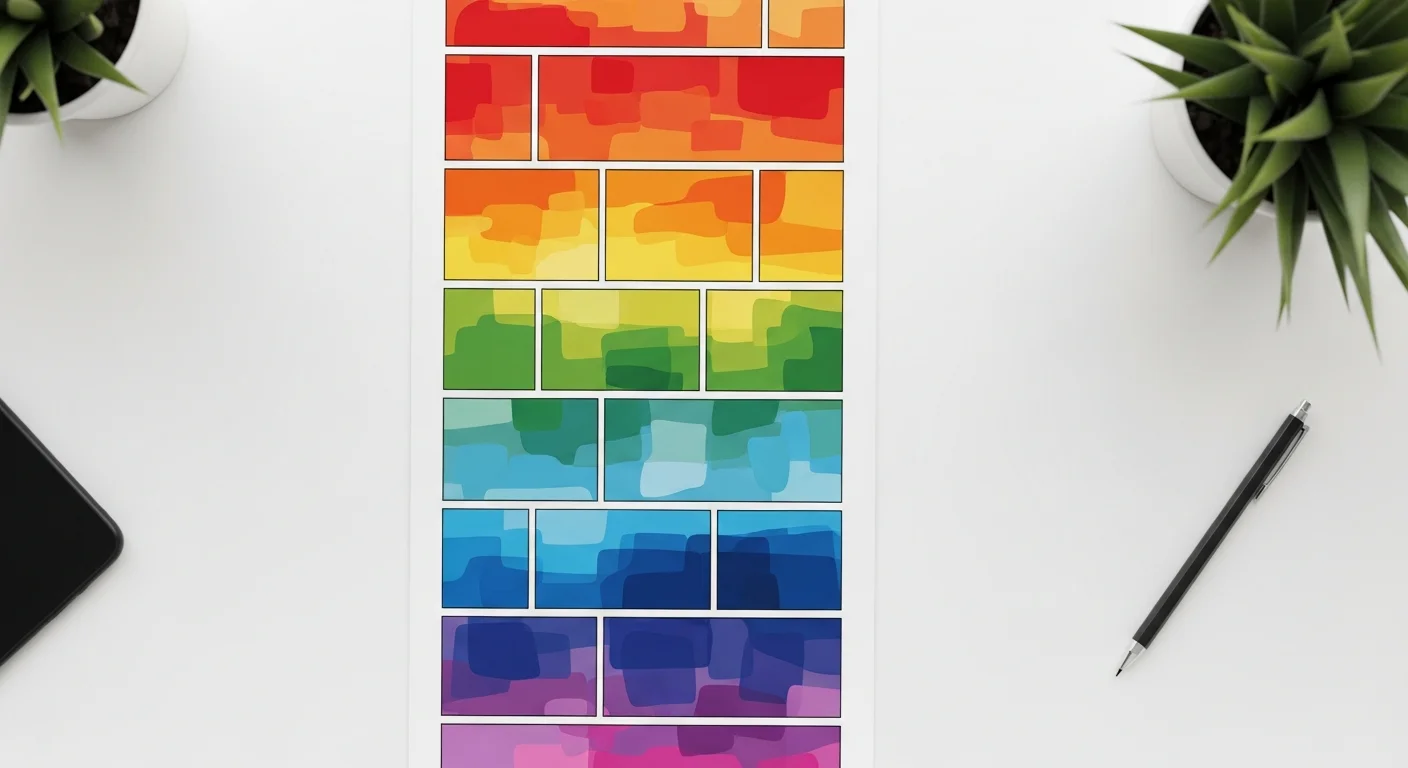
Full color is the baseline. Traditional Japanese manga is black-and-white. Manhwa runs in full color by default — a production requirement driven by the Naver Webtoon and Kakao Webtoon platforms that popularized the format. Every panel carries a considered color palette, not just line art.
Left-to-right reading direction. Manhwa reads the same direction as Western comics, unlike manga’s right-to-left flow. Panel composition, speech bubble placement, and scene entry all assume this direction.
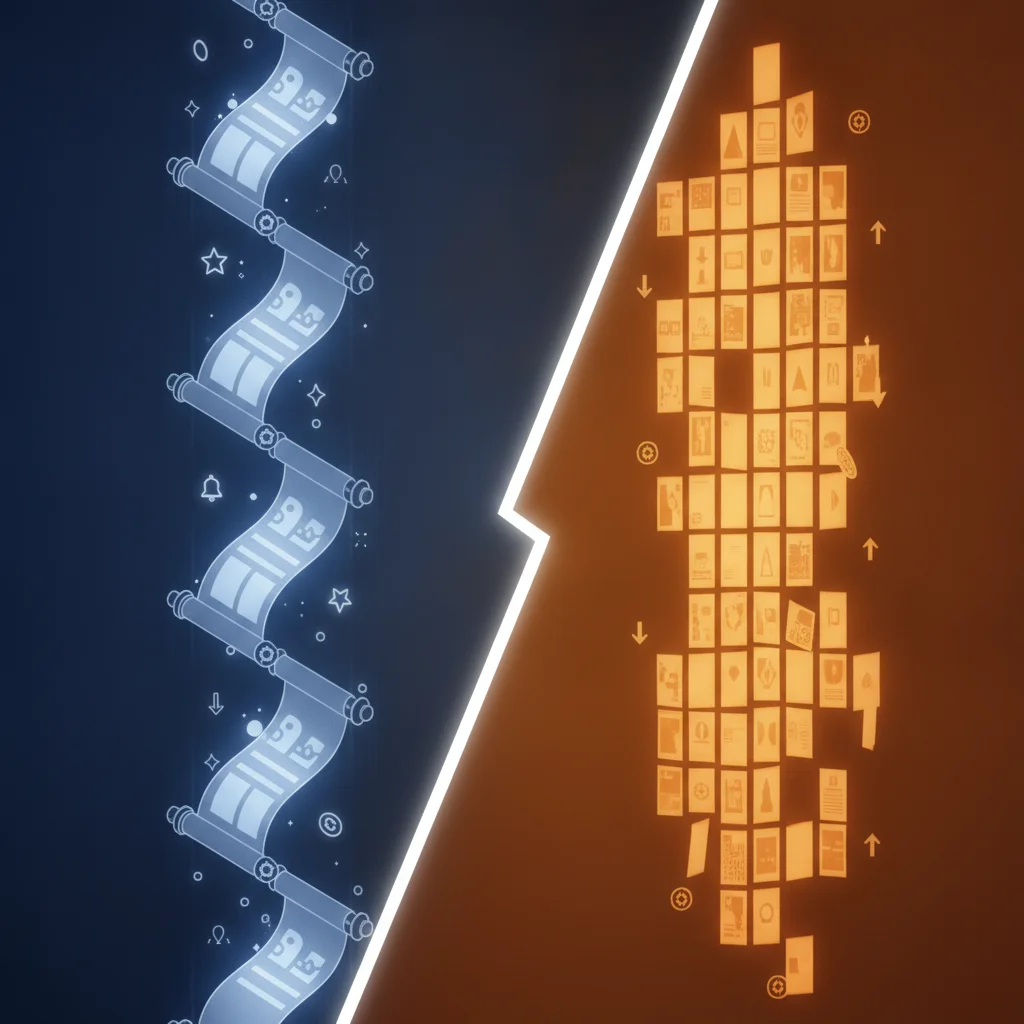
Vertical-scroll optimization. Modern manhwa is built for mobile vertical-scroll consumption. Episodes run as a single long strip, not paginated spreads. This means panel rhythm — how quickly the eye moves down the page — is a deliberate design decision, not an afterthought.
Refined character design conventions. Manhwa protagonists tend toward high cheekbones, detailed eye rendering, styled hair with individual strand separation, and elongated proportions. This is a recognized aesthetic code that readers identify as distinctly Korean. Overly simplified or manga-roughened character designs break the genre register.
Rich background detail. Where manga often uses selective background minimalism to direct focus, manhwa backgrounds are typically fully realized. Cafes, palace halls, corporate offices, and fantasy kingdoms all receive the environmental detail that establishes social status and world-building context visually.
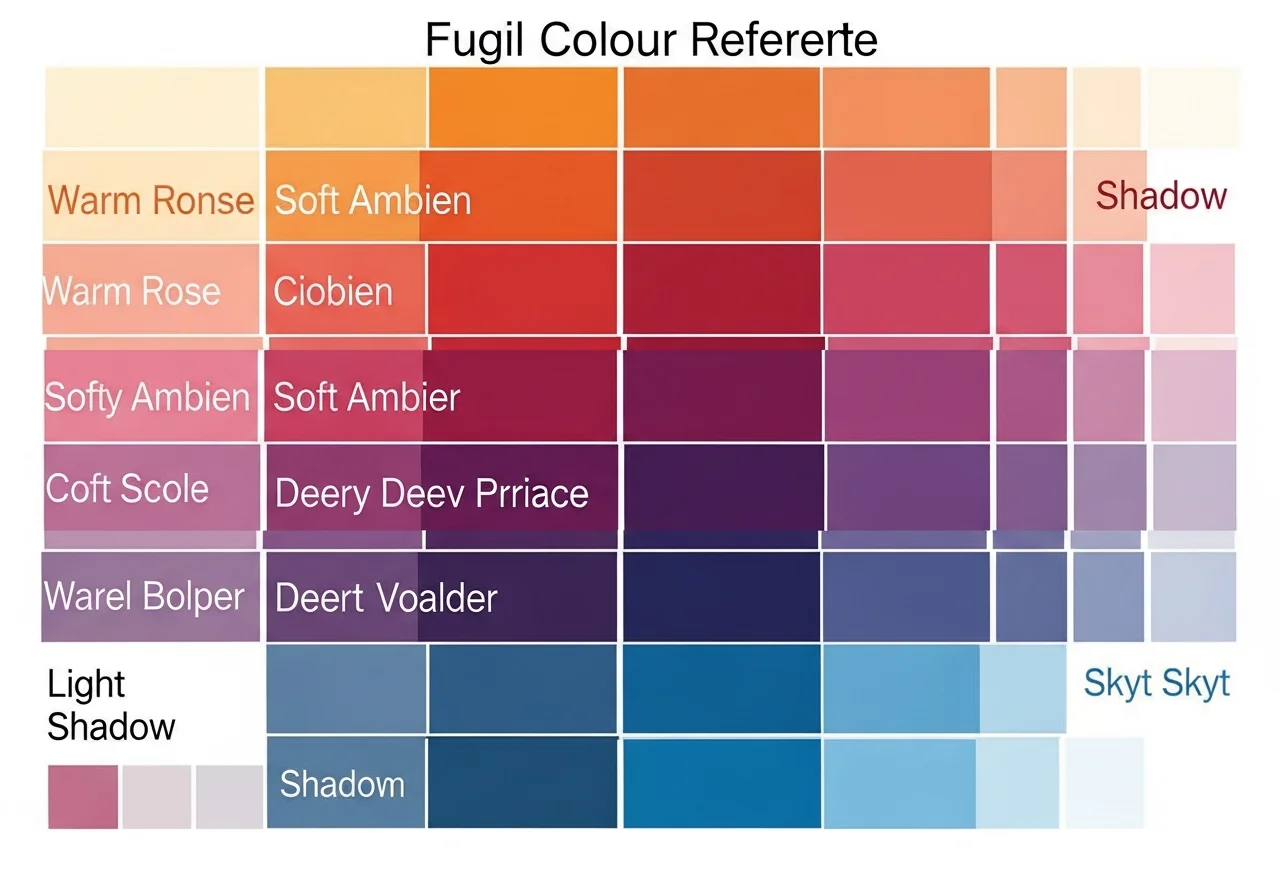
Emotional color temperature shifting. A distinguishing craft signature of Korean webtoon art is the way color palette shifts to reinforce emotional beats — warmer, softer hues during romantic moments; cooler, higher-contrast palettes during tension or conflict. Good AI manhwa generators apply this automatically; generic image tools do not.
How Do You Make a Manhwa with AI?
The core workflow in a pipeline tool like Comistitch has five stages. For the detailed step-by-step, see the HowTo section at the top of this guide. Here is the strategic logic behind each stage.
1. Story premise first, art second. Write a 3–5 paragraph chapter premise before opening the builder. Manhwa chapter structure — setup, escalation, emotional climax, cliffhanger — is tight. Mapping your paragraph to each beat before generation produces a coherent panel sequence, not a collection of mood images.
2. Character cards are non-negotiable. Manhwa readers are acutely sensitive to character consistency. A protagonist who looks different between episodes is jarring in manga; in manhwa, it breaks the series. Write a character card with exact wording and paste it unchanged into every scene prompt. Paraphrasing introduces visual drift. The builder handles rendering — your job is holding the description stable.
3. Set style and palette once, hold them. Select the manhwa style preset. Choose your color temperature. If your story world has two distinct settings, define palette notes for each. These are set-once decisions that the builder handles per scene automatically from inside the builder.
4. Review the script before images generate. Comistitch generates a panel-by-panel script from your premise before triggering image generation. Read it. Fix misread emotional beats or scene placements. This is the cheapest editing pass — words cost nothing to fix; regenerating images takes time.
5. Refine page-by-page, not wholesale. Expect one to three pages per episode to need a second pass. Identify the specific problem — expression wrong, background too spare, composition reads awkward — and rewrite that page’s description with more precision before rerolling it. Rerolling a whole good episode because one page is wrong is inefficient.
For a deeper look at webtoon panel pacing and vertical-scroll composition, see the webtoon pacing and cliffhanger techniques guide.
Best AI Manhwa Generators in 2026
The AI manhwa tool landscape in 2026 ranges from single-image generators to full story pipelines. Here is an honest comparison of the main options.
| Tool | Story pipeline | Character consistency | Full-color manhwa | Commercial rights | Free tier |
|---|---|---|---|---|---|
| Comistitch | Full (premise → episodes) | Strong (character cards, project-level anchoring) | Native manhwa preset | Elite; Starter/Pro yearly (MoR) | Yes (credits at signup) |
| manhwaai.com | Single images | Weak (prompt-only, no card system) | Yes | Check ToS | Limited |
| Dashtoon | Panel-by-panel manual | Strong (character model system) | Yes | Paid plans | Limited panels |
| Jenova | Partial (scene-by-scene) | Moderate | Yes | Check ToS | Limited |
Comistitch is the strongest option for creators building a serialized manhwa. The full story pipeline — premise in, episode out — means you spend time on story decisions rather than manually prompting every panel. Character card anchoring at the project level keeps your protagonist stable across all episodes without re-entering descriptions. Comistitch is the merchant of record and grants commercial rights on Elite, and on Starter and Pro when billed yearly, which matters for creators who plan to monetize their series. The builder handles color rendering, shadow passes, speech bubble placement, and vertical-strip export automatically.
Dashtoon is the better choice if you want granular, frame-by-frame control and are willing to invest more time per page. The character model system is robust, and the panel editor gives you precise compositional control. It is slower than a story pipeline but more directive.
manhwaai.com works for quick single-panel experiments and social media content. Without a character card system, consistent multi-episode series are difficult to maintain.
Jenova occupies a middle ground — more story-aware than a pure image generator but less automated than Comistitch. Useful for creators who want partial automation with manual refinement at the scene level.
For a deeper comparison of Comistitch and Dashtoon specifically, see the Dashtoon vs Comistitch AI webtoon comparison.
Is There a Free AI Manhwa Generator?
Yes. Comistitch offers a free tier with starter credits at signup — enough to generate a partial episode and experience the full story pipeline before committing to a paid plan. No credit card is required.
Other tools offer limited free access, but the caveats matter:
- manhwaai.com — free tier with watermarked output and generation limits
- Dashtoon — free with limited panel count per month; full character system requires paid access
- Jenova — free with restricted export resolution
For a full breakdown of free options across the AI manga and manhwa space, see the best free AI manga generator no-signup guide.
The practical consideration for free tiers is not just whether they are free — it is what you can actually produce. A free plan that generates watermarked, low-resolution panels is useful for testing but not for publishing. Comistitch’s free tier produces clean, full-resolution output up to the credit limit, which is why it is the most practical starting point for creators evaluating the pipeline before subscribing.
Character Consistency: The Hardest Problem in AI Manhwa
Manhwa readers notice character inconsistency more acutely than readers of most other comic formats. The visual closeness of the art style — refined facial features, detailed hair, expressive eyes — makes small deviations visible in a way that rougher styles might obscure.
The technical root of the problem is that AI image generators do not have persistent character memory. Each generation call starts fresh from the text description. If the description changes between panels — even slightly, through paraphrasing — the output will differ.
The solution is textual anchoring, not image memory. Write your character description once, at maximum useful specificity, and paste it unchanged into every panel prompt. Specific means: not “long dark hair” but “straight black hair falling to the collarbone, parted off-center to the left.” Not “elegant dress” but “floor-length deep navy qipao with gold trim at the collar.” Every specification is a consistency lever.
From inside the builder, Comistitch reinforces this with project-level character cards that auto-prepend the character description to every scene prompt. The builder handles description injection automatically — you write the character once and it applies across the episode without manual copy-paste.
The character consistency AI comic ultimate guide goes deeper on both the technique and the theory behind prompt anchoring for long-form serialized work.
What Genres Work Best for AI Manhwa?
Manhwa has developed genre-specific visual conventions that are worth knowing before you generate.
Romance and romantic drama translate best to AI generation because they center on character close-ups, dialogue exchanges, and subtle expression shifts — all areas where modern AI image generation performs strongly. The emotional color temperature shifting that defines good romance manhwa is supported in Comistitch’s manhwa preset.
Reincarnation and isekai fantasy benefit from the ability to set contrasting palette notes for different story worlds. The “before” mundane setting and “after” fantasy kingdom can carry distinct visual registers, and the builder applies them per scene automatically.
Historical palace drama requires detailed costume and environment rendering. Throne rooms, period costumes, and status-signaling visual hierarchies all need background richness to read correctly. Comistitch’s background generation layer handles this separately from character art.
Action manhwa demands dynamic panel composition — motion lines, impact framing, staggered vertical panel rhythm during fight sequences. For a full breakdown of action manhwa panel techniques, see the action manhwa with AI guide.
Office drama and slice-of-life are consistent performers. Modern interior environments — offices, cafes, apartments — are reliably rendered and keep background generation fast.
Manhwa vs Manga vs Webtoon: Quick Orientation
These three terms overlap in everyday use, but they mean different things:
- Manga — Japanese comics. Traditionally black-and-white, reads right-to-left, paginated format.
- Manhwa — Korean comics. Full-color, reads left-to-right, typically vertical-scroll digital format.
- Webtoon — A digital delivery format optimized for vertical mobile scrolling. Most modern manhwa is published as webtoons, but the webtoon format is format-specific, not culturally specific.
When you are choosing an AI generator, this distinction matters for two reasons. First, the art style presets are different — a manga generator calibrated for black-and-white linework will not produce authentic manhwa output. Second, the panel composition logic differs: manga uses paginated spreads; manhwa uses vertical strip rhythm.
Comistitch supports both styles as distinct presets, so you can run a manga chapter and a manhwa chapter from the same project with different output conventions. The best AI manga generators comparison covers the manga side of this divide in full.
Exporting Manhwa for Webtoon Platforms
Finishing a manhwa episode means exporting at the resolution and format your target platform expects. The major Korean webtoon platforms — Naver Webtoon and Kakao Webtoon — have creator submission guidelines that specify canvas width, resolution, and file format. Creator-side submission policies also address AI content, which continues to evolve, so review current platform guidelines before uploading.
Comistitch exports at resolutions compatible with major platform requirements and outputs a single vertical-strip file per episode. The strip format is what readers consume on mobile — the builder handles stitching automatically, so you are not manually assembling individual panel images into a continuous strip.
For a full breakdown of the platform submission process across multiple publishing destinations, see the publishing webtoon on Webtoons and Tapas guide. For a manhwa-specific walkthrough of where and how to go live — Webtoon Canvas, Tapas, Dongman, and self-publishing — see how to publish manhwa online, and once you have readers, how to make money with manhwa covers the 2026 monetization thresholds.
Comistitch as an AI Manhwa Maker: What Sets It Apart
Here is what distinguishes Comistitch from single-image AI manhwa tools:
Full story pipeline. Paste a chapter premise; get a complete episode. Script generation, panel breakdown, image generation, color rendering, and vertical-strip export run in sequence inside one workflow. You are not stitching together five separate tools.
Project-level character anchoring. Character cards live at the project level and apply across every episode. Episode 1 and Episode 30 share the same character anchor without re-entry.
Authentic manhwa color system. The manhwa preset applies the color rendering conventions specific to Korean webtoon publishing — not just generic colorized art. Warm-cool temperature shifting per emotional beat, detailed eye rendering, refined facial features, and rich background passes are all calibrated to the format.
Hreflang-correct Korean and Chinese pages. Comistitch’s style and product pages are localized in Korean and Chinese, which means your manhwa is discoverable in its home markets through Comistitch’s platform reach — something image-only generators do not offer.
Commercial rights and ai manhwa no watermark exports. Every paid plan gives clean, watermark-free exports; commercial rights come with Elite, and with Starter and Pro when billed yearly. Comistitch operates as merchant of record and generates AI-original output with no real-person likeness, so publishing and monetizing licensed output is clear from a rights perspective.
Make it in Comistitch. Explore the full feature set on the manhwa generator style page and start your first episode free.
Common Mistakes in AI Manhwa Generation
Avoiding these will save significant regeneration time:
Vague character descriptions. “A beautiful girl with long hair” regenerates a different person every panel. Specify: exact hair color, length, style, key facial feature, and outfit. Vagueness is the single largest driver of character drift.
Skipping the script review. Comistitch generates a panel-by-panel script before images. Skipping this review and triggering image generation immediately means finding story problems at the most expensive stage — rendered images rather than text.
Treating the palette as optional. Not setting a color temperature and palette note produces inconsistent color tone across the episode. Set it once before generation. The builder handles implementation from inside the builder automatically.
Over-designing background complexity. Rich backgrounds are a manhwa convention, but extremely dense background specifications can slow generation and increase error rates in panel cells. Set a background detail level in the builder settings rather than specifying every background element in every scene prompt.
Prompting for face details. Specifying facial micro-details (exact nose shape, lip color) in scene prompts — rather than the character card — often contradicts the card and causes drift. Keep face details in the card; scene prompts should describe expression, not anatomy.
Frequently Asked Questions
Is there a free AI manhwa generator? Yes. Comistitch’s free tier includes starter credits at signup — no credit card required. Limited panel generators also exist at manhwaai.com and Dashtoon’s free plan, but watermarks or panel caps restrict what you can publish.
What is the difference between manhwa and webtoon? Manhwa is the Korean cultural tradition of comics. Webtoon is the digital vertical-scroll format. Most modern manhwa is published as webtoons, but a webtoon format could carry any art style. The terms are often used interchangeably but are technically distinct.
Can I use AI-generated manhwa commercially? Yes, on platforms that grant commercial rights. Comistitch includes commercial rights on Elite, and on Starter and Pro when billed yearly, and operates as merchant of record. Check each platform’s terms — some free generators restrict commercial use or apply mandatory watermarks.
What makes manhwa art style different from manga? Manhwa is full-color, reads left-to-right, uses vertical-scroll panel rhythm, and features refined character design with detailed backgrounds. Manga is traditionally black-and-white, reads right-to-left, and uses paginated layouts.
How do I keep characters consistent across a manhwa series? Write a precise character card once and paste it unchanged into every scene prompt. Comistitch stores character cards at the project level and auto-applies them so you do not have to re-enter descriptions per episode.
Which genres work best for AI manhwa generation? Romance, reincarnation fantasy, palace drama, action, and office drama all perform strongly. Romance translates particularly well because it centers on close-ups and expression shifts — areas where AI generation excels.
Do I need drawing skills to make manhwa with AI? No. You write scene descriptions; the builder handles rendering. A clear visual vocabulary — knowing how to describe lighting, expressions, and composition — helps produce better results than vague prompts, but no technical drawing ability is required.
Start Making Manhwa with AI
The manhwa generator Comistitch provides in 2026 makes the bottleneck your story, not your tools. Character cards, a locked color palette, and a clear chapter arc are the setup work that determines whether the generation pass produces a publishable episode or an expensive set of revisions.
Comistitch’s full-story pipeline — from premise through script through color-rendered vertical strip — is built around reducing that revision cycle. The builder handles the rendering; your decisions about story, character, and palette are what make the output read as a genuine manhwa series rather than a collection of AI-generated art.
Start creating manhwa free on Comistitch →
Also see the AI webtoon creator style page for the webtoon-format companion to this guide.
Related manhwa guides:
- Manhwa vs Manga vs Webtoon: Key Differences
- How to Make a Manhwa With AI: Characters (Part 1)
- Manhwa Coloring & Vertical Panels (Part 2)
- Manhwa Art Style With AI: Best Practices
- How to Make a Manhwa With AI — Step by Step
- How to Publish Manhwa Online — Where & How
- How to Grow Your Manhwa Audience
- How to Make Money With Manhwa — 2026 Guide