Designing consistent, believable characters is the hardest part of making a manhwa with AI — and the most important. Get the character card wrong and every panel drifts. Get it right and the builder delivers the same person, panel after panel, automatically.
This is Part 1 of 2 in the Manhwa Build Diary. Part 1 covers the design phase before you generate a single story panel: Korean character archetypes, semi-realistic proportions, expression consistency, and locking your master prompt block. Part 2 will cover coloring, vertical panel layout, and publishing your finished manhwa. Don’t have a character concept yet? Draft one first with the free OC generator, then turn its output into the locked card below.
What you will learn in this guide:
- What defines manhwa character design vs manga
- Why Korean beauty conventions exist and how to translate them into AI prompts
- How to write a character card that holds across panels
- How to prompt for consistent expressions without losing character identity
- How to pick semi-realistic vs stylized rendering
- A five-step howto for the character-card creation workflow
- Six+ FAQ covering common blockers
In short: Before generating any manhwa panel, write a locked character card (face, hair, palette, style tag) and test it across three expressions. The card is what holds your character together; the AI handles the rest.
What Defines Manhwa Character Design?
Manhwa has a distinct visual contract that separates it from manga and from generic anime. Understanding that contract is the prerequisite for prompting an AI to produce it reliably.
The three load-bearing conventions are:
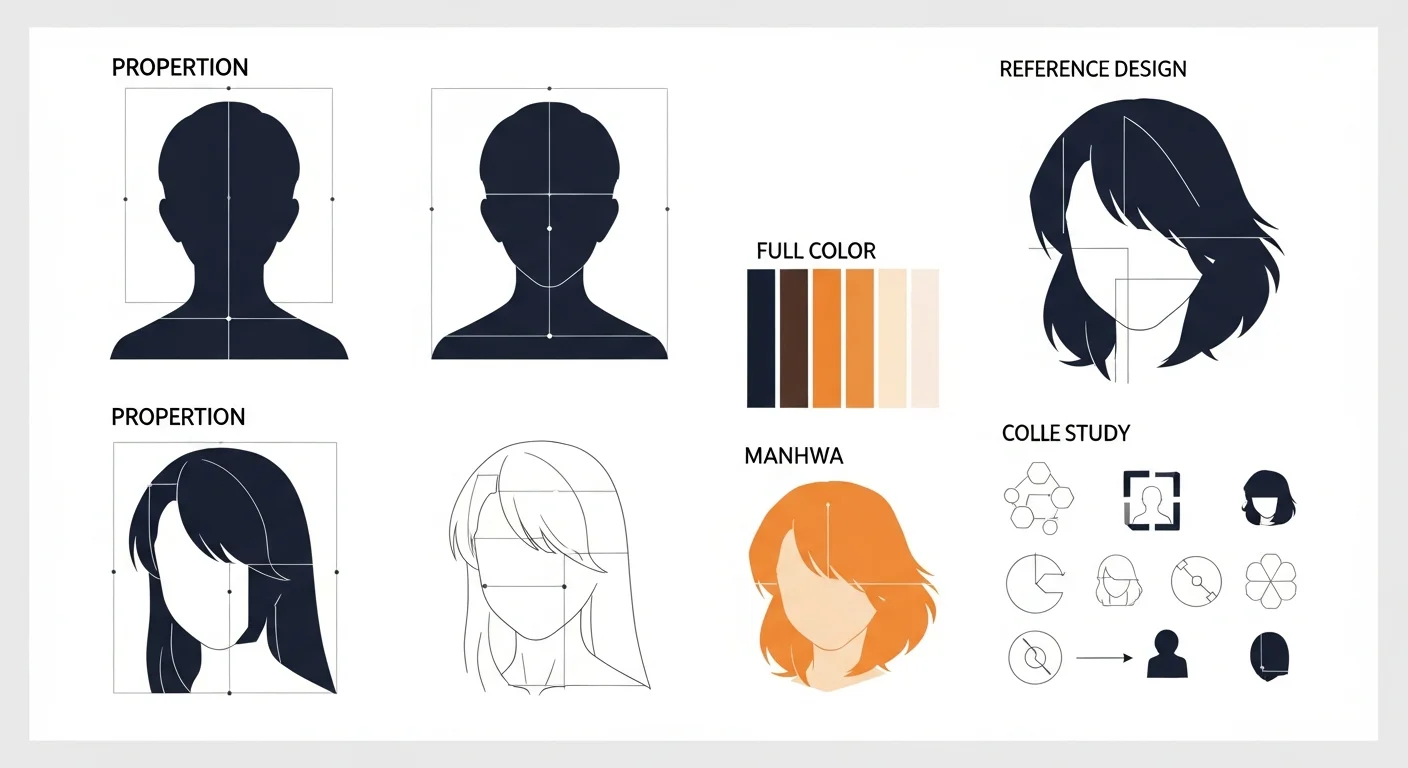
1. Facial geometry built for emotion. Manhwa characters — especially in romance and drama — have softer jawlines than manga’s angular cuts. The jaw tapers gently to the chin, which gives the face a heart-like or oval shape that reads as expressive and emotionally accessible. Wide, high-set eyes with a defined lower lash line are the signature: they carry the entire emotional register of a scene, from warmth to coldness to grief.
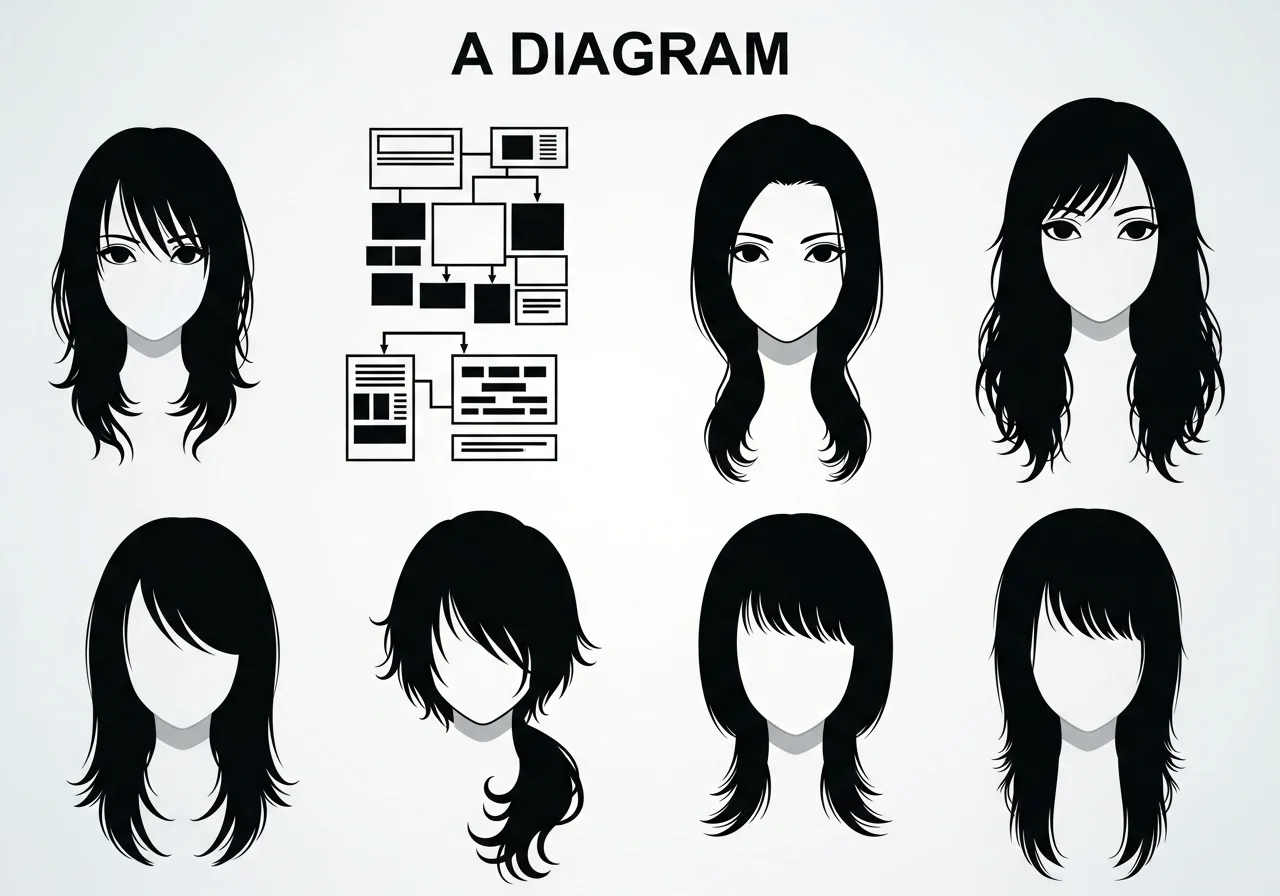
2. Hair as character signal. In manhwa, hair silhouette is a character identifier as reliable as a face. The hair moves — it has weight and physics. Protagonists often carry soft inward waves or loose curtain fringes; rival characters sport sharper, more geometric cuts. When you write a hair descriptor for AI, the silhouette shape matters more than the color: “shoulder-length soft inward wave, ash-brown” gives the builder something stable to hold; “long brown hair” does not.
3. Full-color with a warm, high-contrast palette. Unlike manga, manhwa is full-color by default. The palette convention leans warm — skin tones rendered in ivory or golden hues, backgrounds in rich greens or sunset oranges for romance, deep blue-blacks for noir and thriller. This full-color expectation is baked into the AI Manhwa Generator style, which handles the color rendering automatically once your palette is specified.
These three conventions are not arbitrary — they encode genre information. A reader sees the soft jaw and wide eyes and immediately recognizes: romance, drama, or supernatural. If your AI output breaks these conventions, it does not look like manhwa; it looks like generic anime or a flat illustration.
Why Do Korean Beauty Conventions Matter for AI Prompts?
The aesthetic choices in manhwa character design reflect Korean visual culture and the specific emotional registers the genre needs to carry. Understanding the why behind them lets you prompt more precisely — and course-correct when the builder drifts toward the wrong register.
Softer jawlines and expressive eyes exist because manhwa romance needs characters whose faces communicate vulnerability. A hard jaw reads as stoic or aggressive; a softened one reads as open. Korean beauty ideals — clean skin, smooth gradient lighting, minimal texture — carry into the AI rendering when you specify “soft skin rendering, smooth cel shading” rather than “realistic skin texture” or “sharp linework.” The softness is part of the genre grammar.
Body language is a character archetype signal. In manhwa, the cold male lead stands with weight slightly back, arms close, gaze down and angled — every element signals emotional restraint. The warm female protagonist leans slightly forward, hands visible, chin level — emotional openness. These posture conventions are so consistent across Korean titles that they constitute a shared visual language. When you write the character card, include one posture note: it costs two words and signals the archetype immediately.
Translating this into semi-realistic AI prompts means being explicit where generic terms fail. “Anime style” tells the builder nothing useful — it could produce anything from chibi to shonen action to moe. What works is: “semi-realistic Korean manhwa art style, clean linework, cel shading, soft skin rendering, warm full-color palette, idealized proportions.” Each term overrides a default the builder would otherwise fill in.
Semi-Realistic vs Stylized — Which Should You Choose?
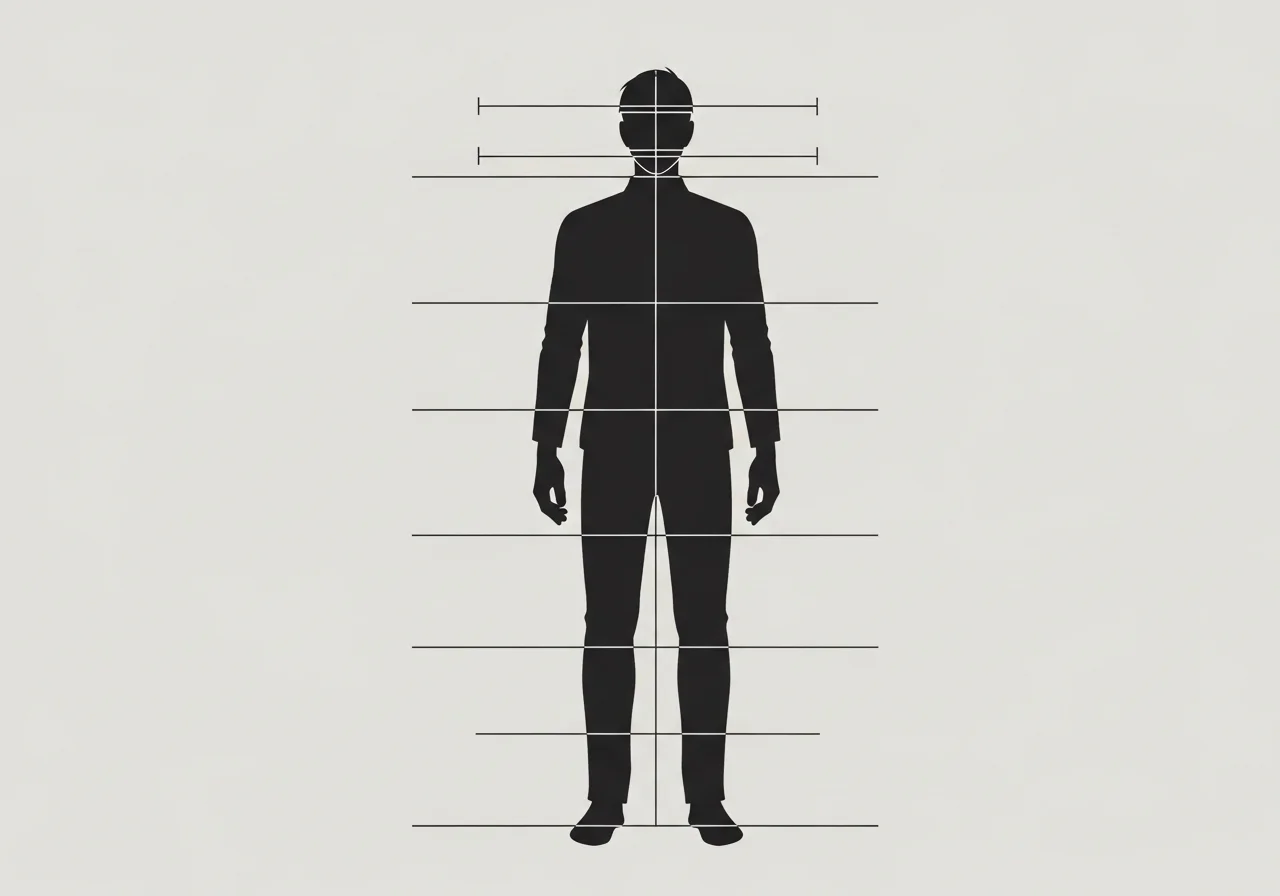
This is the most common decision point for new manhwa creators, and the answer depends on your genre.
| Register | Best for | Key visual cues | AI prompt modifier |
|---|---|---|---|
| Semi-realistic | Romance, drama, supernatural | Soft jaw, idealized but believable proportions, gradient skin | semi-realistic Korean manhwa, cel shading, soft skin |
| Fully stylized | Action, comedy, shounen-adjacent | Sharp angles, exaggerated expressions, flat color | stylized manhwa, bold linework, flat color fills |
| Painterly | Prestige titles, fantasy | Textured backgrounds, atmospheric lighting, detail-rich | painted manhwa style, detailed backgrounds, cinematic lighting |
Semi-realistic is the dominant register for popular Korean romance and supernatural drama because it keeps characters emotionally readable while remaining visually polished. For an AI builder, it is also the most stable: the “cel shading, soft skin rendering” descriptor set produces consistent output across panels in a way that highly stylized or fully painted registers do not.
The action manhwa guide covers the fully stylized end of the spectrum — dynamic panels, motion lines, impact composition — which uses a different set of prompt conventions entirely. If your manhwa is pure action, read that guide alongside this one.
Choose semi-realistic if:
- Your story is romance, drama, supernatural, or noir-adjacent
- You want emotional readability in close-up panels
- You are running a serialized episode format where consistency across dozens of panels matters
Choose fully stylized if:
- Your story is action-forward with fewer dialogue-heavy scenes
- You prefer bold, graphic impact over emotional nuance
- You are comfortable with more variation between panels
How Do You Write a Manhwa Character Bible?
The character bible is the document that makes the difference between a protagonist who looks the same on every page and one who subtly changes face every time the angle shifts.
A manhwa character bible has five components:
1. Archetype sentence. One sentence naming role and emotional register. “Warm female protagonist, college student, emotionally expressive, slight build.” This is the first line of your prompt block.
2. Face and hair descriptors. Four anchor points for the face (shape, eye style, eyebrow weight, lip shape) and two for the hair (silhouette and signature movement). Written as reusable descriptors, not prose. The manga character design guide covers the broader descriptor methodology, which applies directly to manhwa as well.
3. Color palette constants. Skin tone descriptor, hair color with highlight note, two accent colors for clothing signature items. Written as exact terms, not mood words.
4. Expression anchors. Three named expression modifiers — love-struck, suspicious, hurt — each naming only what changes from the stable face (eyebrow angle, mouth tension, eye squint depth). The face shape and hair never change between expressions.
5. Style tag. One fixed string appended to every prompt: “semi-realistic Korean manhwa art style, full color, clean linework, cel shading, soft skin rendering, dramatic lighting.” This prevents the builder from defaulting to a generic output.
Here is what a complete manhwa character master prompt block looks like:
Character: warm female protagonist, college student, slight build, emotionally expressive.
Face: oval face shape, large double-lid eyes with defined lower lash line, thin arched brows,
soft rounded lips.
Hair: shoulder-length hair, soft inward wave at ends, ash-brown with copper highlights.
Skin: ivory-warm skin tone.
Signature: cream knit sweater, small gold chain.
Style: semi-realistic Korean manhwa art style, full color, clean linework,
cel shading, soft skin rendering, warm palette, dramatic lighting.
Paste this entire block — unchanged — as the first section of every panel prompt. Append scene details below it. Do not paraphrase the anchor. Variation belongs in the scene; the anchor is a constant.
How Do You Keep AI Characters Consistent?
Consistency is a prompt-engineering discipline, not a luck-based outcome. The builder handles rendering; your locked text is what holds the character.
Rule 1: Never paraphrase the anchor. If the card says “oval face shape, large double-lid eyes,” every prompt says exactly that. “Big eyes and round face” is a paraphrase — it drifts.
Rule 2: Test expressions before story panels. Run a three-expression test (love-struck, suspicious, hurt) before committing to any page. If the face drifts between panels of the test, tighten the card. This is much cheaper than discovering the drift on page twelve.
Rule 3: Use expression anchors, not expression descriptions. “She looks hurt” is a description. “downcast angled brows, slightly parted lips, glossy eyes” is an expression anchor. The anchor gives the builder concrete outputs; the description leaves it guessing.
Rule 4: Lock clothing as a character signal. A signature garment — a cream knit sweater, a school blazer with a pin, a specific earring — shows up in close-up panels and reinforces identity. Specify it in the card and include it in panel prompts even when the clothing is not the focus of the scene.
Rule 5: Test the card from inside the builder before locking it. The builder handles rendering automatically once a card is pasted into the canvas, but running two or three test panels from inside the builder is the only way to confirm the card holds in the actual output environment. Comistitch ships the final panels from the panel canvas — test there, not just on paper.
For a deeper treatment of the full consistency methodology, the character consistency ultimate guide covers multi-character scenes and cross-chapter regeneration, which becomes critical once your manhwa runs past the first episode.
How to Write a Manhwa Character Bible — Step by Step
Follow the five steps from the howto above, but here is the practical execution:
Step 1 — Pick the archetype. Before writing any descriptor, name the genre role: warm protagonist, cold rival, mentor, comic relief. This single decision shapes every descriptor that follows. Cold rivals get sharper brow lines and a lean build; warm protagonists get soft jaw, expressive eyes, open posture.
Step 2 — Write the face anchor (four lines). Face shape. Eye style. Eyebrow weight. Lip shape. Four lines, each a short exact descriptor. Do not add adjectives that could mean different things to different renderings — “beautiful” is not an anchor; “oval face, large double-lid eyes, thin arched brows, soft rounded lips” is.
Step 3 — Write the hair anchor (two lines). Silhouette shape and length. Signature movement or texture. Two lines. “Shoulder-length, soft inward wave at ends” is a silhouette anchor. Add the color last: “ash-brown with copper highlights.”
Step 4 — Lock the palette. Three items: skin tone descriptor, hair color, two clothing accent colors. Write them as production terms: “ivory-warm,” “ash-brown,” “cream and dusty rose.” Avoid subjective terms like “natural” or “soft” — they do not resolve to consistent outputs.
Step 5 — Write the style tag and save. One line: “semi-realistic Korean manhwa art style, full color, clean linework, cel shading, soft skin rendering, dramatic lighting.” Append it to the end of every character block. Save the complete block as your master prompt. The builder handles the rest from inside the canvas automatically.
What Pitfalls Should Manhwa Creators Avoid?
Three common mistakes in AI manhwa character design:
The generic anime drift. Using “anime style” as the only style descriptor lets the builder produce whatever it considers default anime — which is rarely manhwa. Fix: always specify “semi-realistic Korean manhwa art style” and add “cel shading, soft skin rendering.”
Paraphrasing the anchor. Rewording the character card between panels introduces drift. Fix: copy-paste the exact anchor block, never rephrase it.
Ignoring expression testing. Skipping the three-expression test and discovering inconsistency at page ten. Fix: run the test before any story panel. Three test panels now versus thirty regenerations later is an easy trade.
What Is Next in the Manhwa Build Diary?
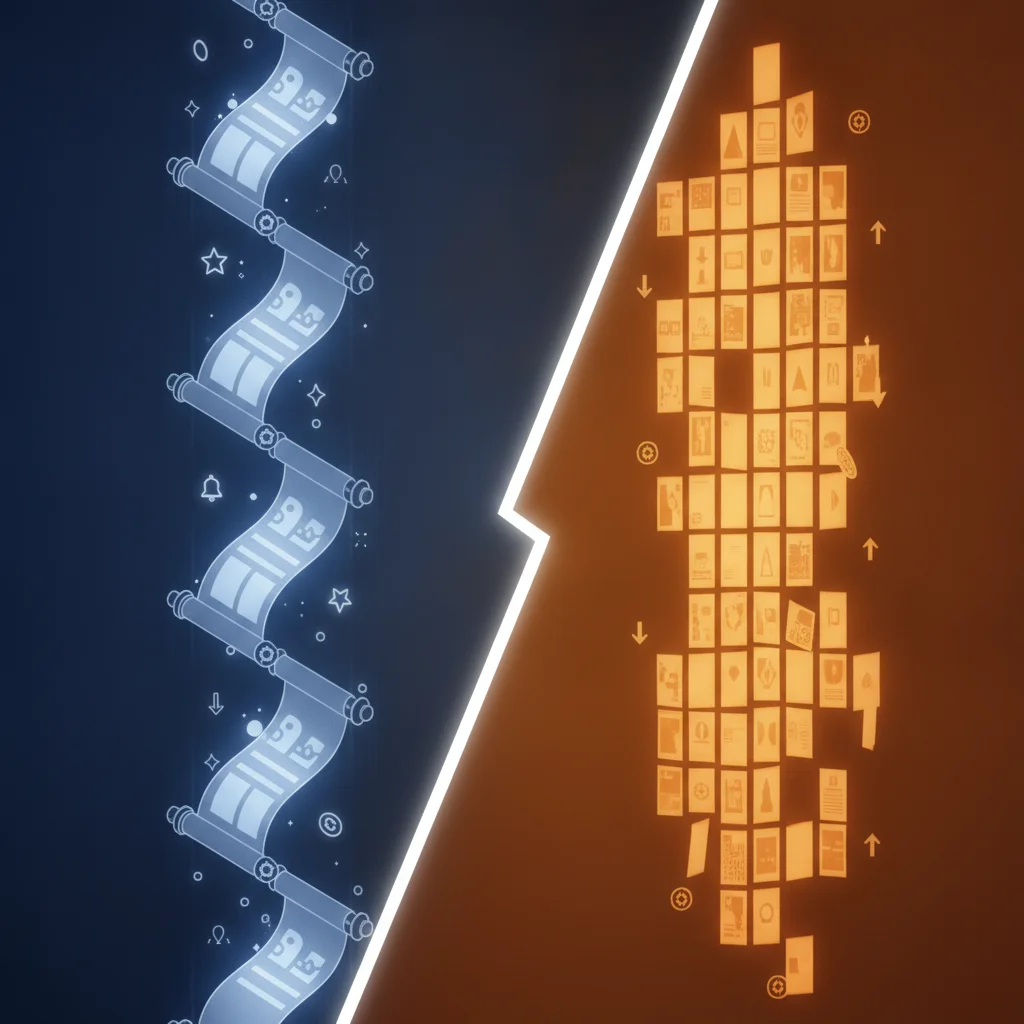
With the character card locked, the next phase is coloring strategy and vertical panel layout — the two elements that make a manhwa feel like a native Korean scroll rather than a manga reformatted for the web. Part 2 covers color pass workflow, mood palette design, vertical gutter spacing, and how to set up a full episode in the builder.
Continue to Part 2 — Coloring and Vertical Panels when it publishes. While you wait, the action manhwa guide covers panel pacing and combat flow — useful even for non-action titles, because vertical pacing principles apply across genres.
Make it in Comistitch. For a broader look at the AI tools available for Korean-style comics, the AI manhwa generator style page explains the rendering modes and plan tiers available in the builder.
Frequently Asked Questions
What is manhwa and how is it different from manga? Manhwa is Korean comics, published in full color and read top-to-bottom in vertical scroll format. Characters use softer jawlines, wide expressive eyes, and naturalistic hair physics — conventions that carry genre signals a Korean readership recognizes instantly.
How do I keep AI manhwa characters consistent across panels? Write a locked character card — face, hair, palette, style tag — and paste the exact same block into every panel prompt, never paraphrasing. The builder handles rendering; your fixed card text holds the person together.
What does semi-realistic mean for manhwa AI prompts? Semi-realistic means idealized proportions with believable bone structure and fabric behavior. Prompt for it with “semi-realistic Korean manhwa art style, clean linework, cel shading, soft skin rendering” rather than “anime” or “photorealistic.”
Can I prompt for consistent expressions without losing character identity? Yes — with expression anchors. The character card names stable features; the expression modifier names only what changes (eyebrow angle, mouth tension, eye squint depth). Test three expressions before committing to story panels.
Do I need drawing skills to make a manhwa with AI? No. You need descriptive precision: a clear character card, a locked style descriptor, and a consistent palette. Comistitch handles line art, cel shading, and full-color rendering from inside the builder automatically.
Which Comistitch style works best for authentic manhwa? The AI Manhwa style is tuned for full-color Korean comic aesthetics with consistent character rendering. For darker romance or supernatural manhwa, push the palette cooler while keeping the semi-realistic linework that defines the genre.
How long does it take to design an AI manhwa character? The five-step character-card process takes 20–30 minutes. Investing that time upfront typically saves two to three hours of regeneration later in the build.
Related manhwa guides
- AI Manhwa Generator: The Complete 2026 Guide
- Manhwa vs Manga vs Webtoon: Key Differences
- Manhwa Coloring & Vertical Panels (Part 2)
- Manhwa Art Style With AI: Best Practices
Need names before you build the character card? Try the free manhwa character name generator.