
Every table has the same problem. Something extraordinary happens in session 14 — the bard talks a dragon out of eating them, the paladin breaks their oath, someone rolls three natural 20s in a row — and two months later nobody can quite remember how it went. The campaign lives in scattered notes and shared memory, and then it fades.
A comic fixes that in a way a text recap never does. It gives the campaign a face.
Why Campaigns Are Hard to Illustrate by Hand
The obstacle has never been imagination. It is volume and consistency.
A campaign is not one story — it is forty sessions, each three to five hours long, with a recurring cast of four to six characters plus dozens of NPCs. Illustrating that by hand means either commissioning art at real cost per piece, or drawing it yourself at a pace that falls behind the campaign immediately.
And the consistency bar is unusually high. Readers of an ordinary comic meet the cast once. Your players are the cast. They know exactly what their character looks like, and they will notice if the ranger’s cloak changes colour between chapters.
That is the specific problem this workflow is built around: many scenes, produced fast, with a party that stays recognisably itself.
How It Works
1. Build your party once. Create a character for each player — species, class, armour, weapon, colour palette, distinguishing details. This is the step that pays off for the next forty sessions, so it is worth being specific.
2. Paste your session notes. A paragraph per beat is enough. You do not need a formatted script; the pipeline reads prose.
3. Generate the sequence. Pages render in order with your locked party rendered consistently. Reroll any single page that misses.
4. Share or archive. Export the chapter and drop it in your group chat, campaign wiki, or a printed volume at the end of the arc.
What Renders Well — and What Does Not
Being honest about this saves you credits.
Renders well:
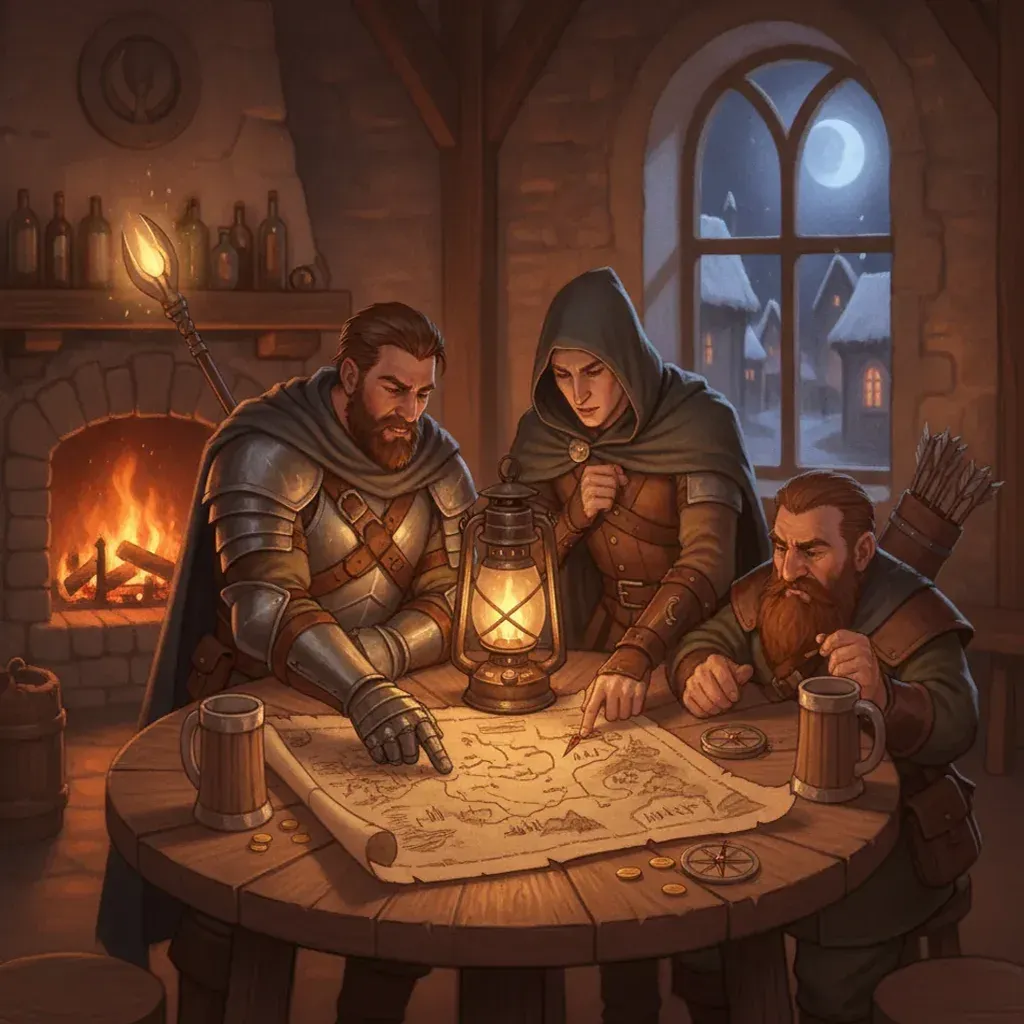
- Tavern and camp scenes, planning conversations, social encounters
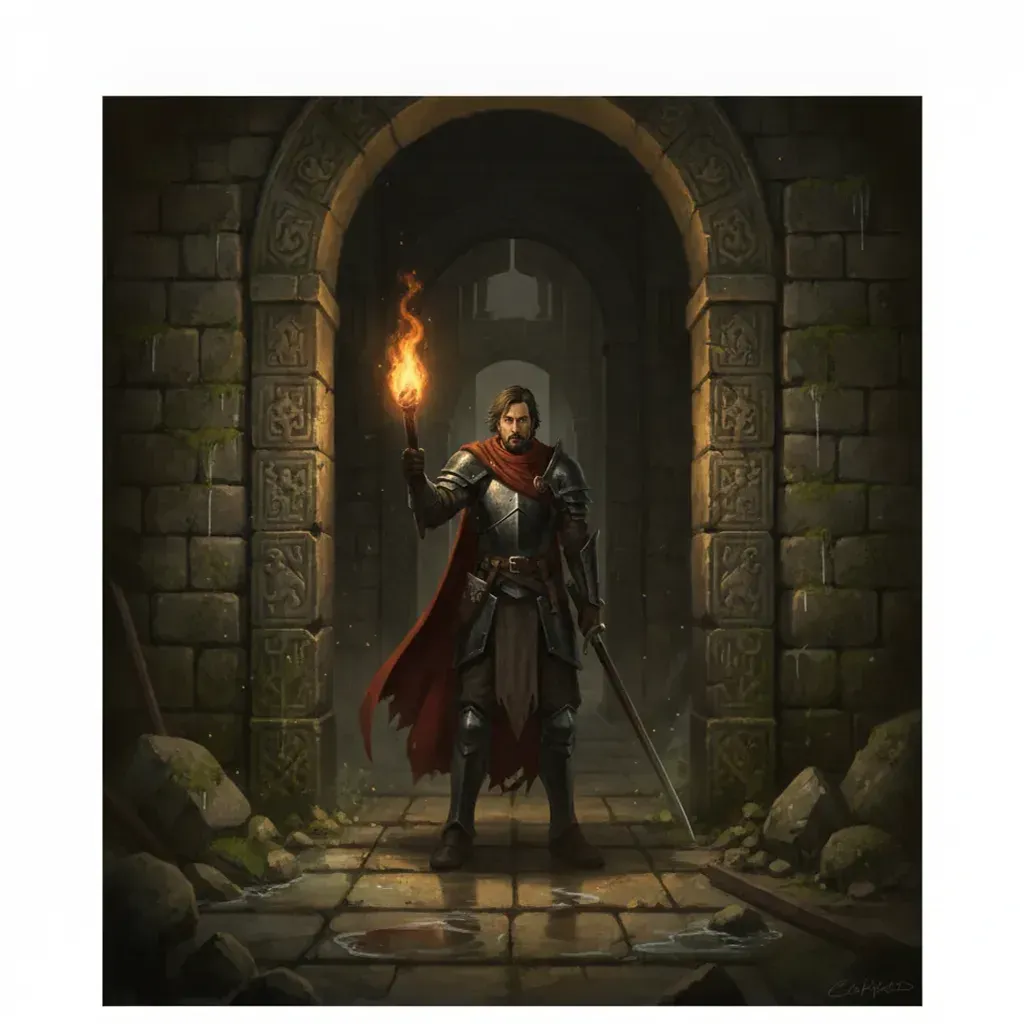
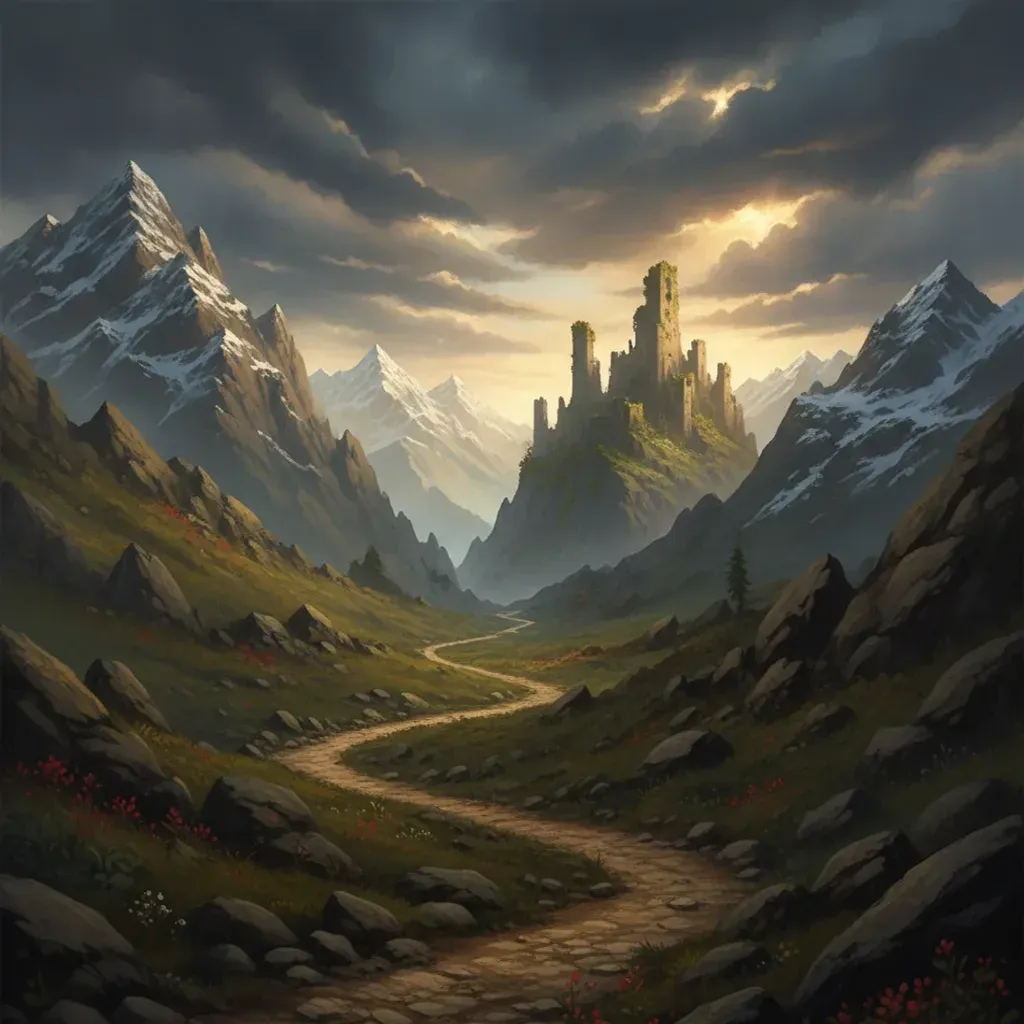
- Dungeon corridors, ruins, forests, throne rooms, mountain passes
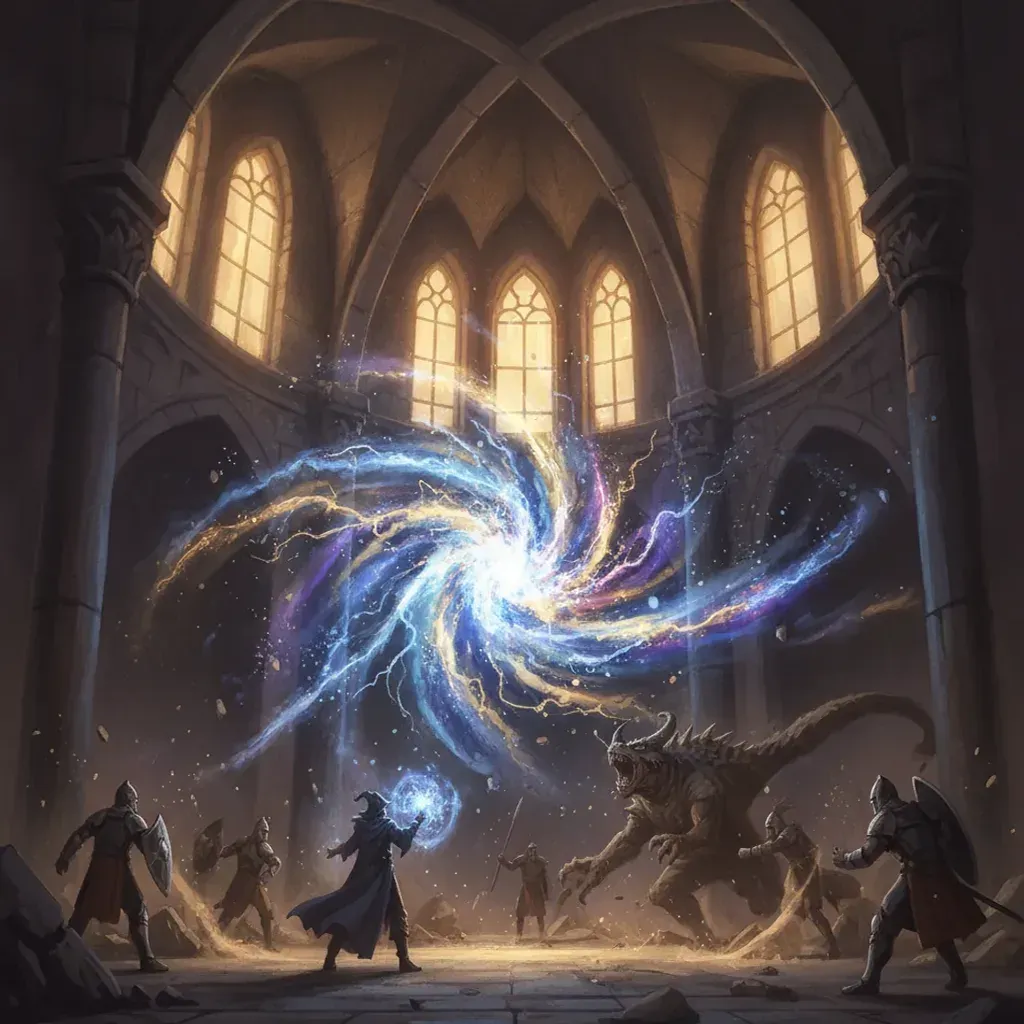
- Dramatic single moments — a spell going off, a door opening, a betrayal
- Character portraits and party line-ups
Renders poorly:
- Precise tactical geometry. If it matters exactly who stood where on a 30-foot grid, a comic panel will not preserve that — a map will.
- Long mechanical sequences. Six rounds of combat with specific rolls compresses badly into panels. Pick the one moment that mattered.
- Copyrighted setting art. Describe your own version of a scene rather than reproducing published monster or adventure artwork.
The practical rule: illustrate the moments, not the minutes. A session has three or four beats worth drawing. Trying to panel the whole four hours produces filler.
Prompt Tips for Campaign Comics
- Lead with the emotional beat, not the mechanics. “The paladin realises the prisoner is her brother” produces a better panel than “the paladin makes a DC 15 Insight check”.
- Name the light source. Torchlight, lantern glow, moonlight through a broken roof — fantasy interiors are mostly defined by where the light comes from.
- Keep NPC descriptions short but reusable. If an NPC will recur, define them properly and lock them. If they appear once, a single sentence is enough.
- Say what the room is made of. “Damp cut stone”, “rotted timber”, “polished marble” changes the entire panel more than any adjective about mood.
- Use wide shots to open a chapter. One establishing panel per session orients the reader before the action starts.
Who This Is For
- GMs producing recaps between sessions to keep the table invested
- Players documenting their own character’s arc across a long campaign
- Groups wrapping a campaign who want a printed volume as a keepsake
- Homebrew world-builders illustrating regions, factions, and lore entries
- Actual-play creators producing visual companion material for a podcast or stream
Systems, Rights, and Publishing
Nothing here is rules-specific — Pathfinder, Call of Cthulhu, Blades in the Dark, and homebrew systems all work, because you are describing scenes rather than stat blocks. Settings outside fantasy may look better in a different style preset; a cosmic-horror campaign, for instance, often suits the noir or horror presets more than painted fantasy.
Sharing recaps privately with your own group is straightforward. If you intend to publish publicly or sell a printed volume, you need commercial rights — included on Elite, and on Starter and Pro when billed yearly — and keep the content your own — describe your scenes rather than reproducing published adventure text, monster illustrations, or setting artwork. The commercial-use guide covers this in more detail.
Start with your last session. One chapter takes minutes, and it is usually enough to convince the table.