A bedtime story has a job that a daytime story does not: it has to leave a child calmer than it found them. Most story generators pull the other way, because almost everything written about storytelling is about holding attention rather than releasing it. This guide covers the three things that fix that — the wind-down shape, the right length for the age, and the prompt wording that produces a quiet ending instead of a cliffhanger — and how to turn the result into illustrated pages you can read tonight.
In short:
- A bedtime story resolves its problem before the last beat, not on it
- Three to five minutes at ages two to three; five to eight at four to five
- Ask for the effect you want — “a quiet ending, nothing surprising on the last page”
- One calm image per page; busy multi-panel pages invite scanning
- Read it through once yourself before you read it out loud
What Makes a Bedtime Story Different?
Structurally, a bedtime story is an ordinary short children’s story with its last beat inverted.
A normal story ends on the highest point it can reach: the reveal, the reversal, the door opening. That is the correct ending for a story you want someone to remember, recommend, or come back to tomorrow. It is the wrong ending for a story whose success is measured in whether a four-year-old is asleep eight minutes from now.
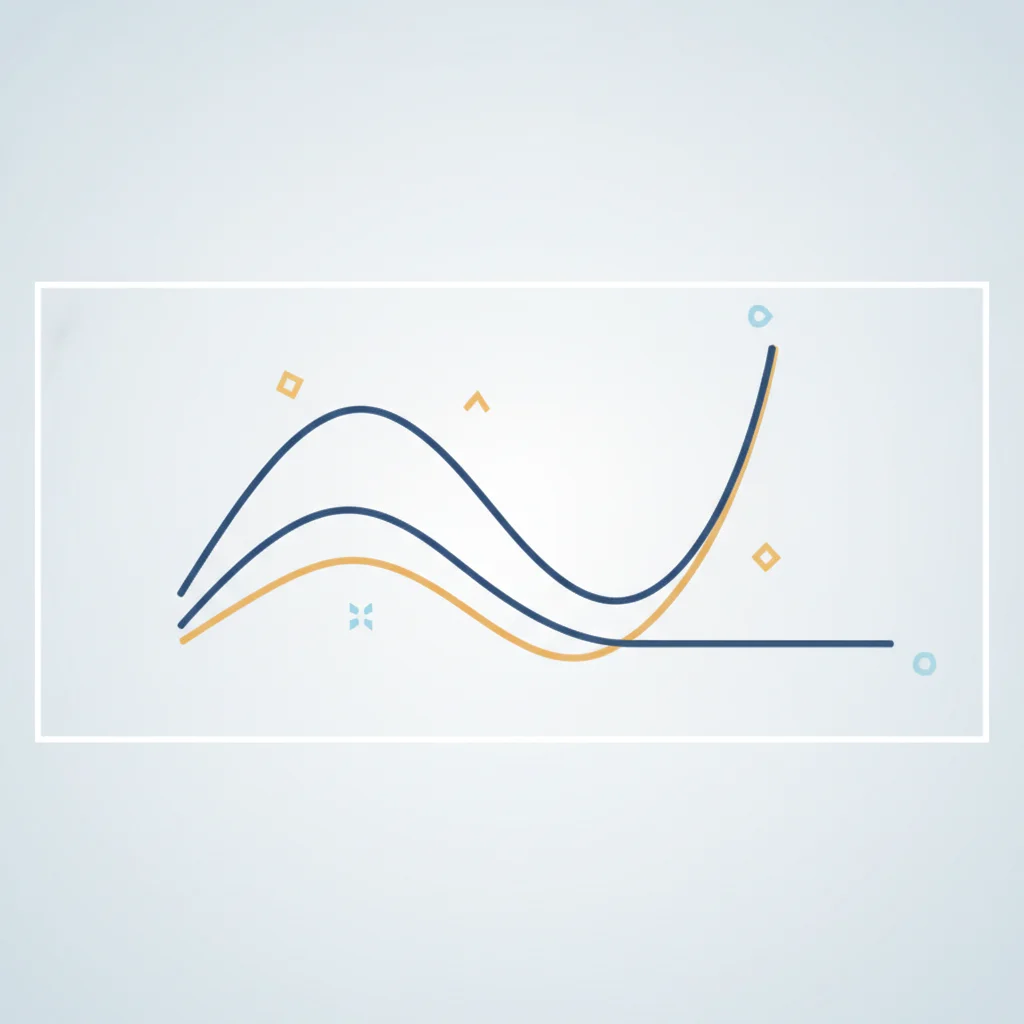
The bedtime version puts the resolution one beat earlier and spends the last page on aftermath: everyone safe, the light going off, the sound of the house. Nothing new arrives. Nothing is revealed. The final image is static — a room, a sleeping animal, a window — rather than a movement.
Three things to keep out entirely, all of which generators reach for by default:
- Chase and pursuit, including the friendly kind. Being followed is arousing to a small nervous system whether or not the follower is nice.
- Loss and reunion. A character who goes missing and is found is a classic daytime arc and a reliable bedtime failure, because the middle of it is the part that stays with a child.
- A last-line surprise. The eye opening in the dark, the footprint nobody made. Excellent craft, wrong room.
In short: resolve on the second-to-last beat and spend the last one on quiet aftermath. No chase, no loss-and-reunion, no final surprise.
How Long Should It Be?
Length is the setting people get wrong most often, usually by aiming too long.
| Age | Read-aloud time | Illustrated pages | Sentences per page |
|---|---|---|---|
| 2–3 | 3–5 minutes | 6–8 | 1 |
| 4–5 | 5–8 minutes | 10–14 | 1–2 |
| 6–8 | 8–12 minutes | 14–20 | 2–3 |
Two notes on reading that table. First, the page counts assume one picture per page, which is how a bedtime book should be built — see the layout section below. Second, if you are between bands, go shorter. A story that ends before the child expected it to is a much smaller problem than one that has to be abandoned halfway, which teaches a child that stories are a way to extend bedtime.
Sentence length matters as much as story length. One sentence should be one comfortable breath for whoever is reading. Generated children’s prose drifts long — a sentence that scans fine on screen turns out to have three clauses in it when you say it out loud. Reading the story to yourself once before reading it to the child catches this in about forty seconds.
In short: shorter than you think, one picture per page, and one breath per sentence.
What to Write in the Prompt So the Result Is Calm
The single most useful change is to describe the effect you want rather than only the subject. Most prompts say what the story is about. Few say what it is for.
Weak prompt:
A bedtime story about a rabbit who lives in a forest.Working prompt:
A bedtime story for a 4-year-old about a rabbit who cannot get
comfortable in her burrow. Gentle problem she can solve herself.
No chase, no danger, nobody gets lost. Resolve the problem before
the last page and finish quietly with everyone settled. Short
sentences. About ten pages.
The second prompt is doing four separate jobs: naming the age, naming the size of the problem, listing the things to exclude, and specifying the shape of the ending. Each one closes off a way the result could go wrong.
If you would rather not assemble that by hand every time, the kids story idea generator has those constraints built in — peril, menace and twist endings are excluded by design, and writing “bedtime” into the theme field shifts the arc to wind down rather than build up. It returns the four beats, not the finished prose, so you still own the writing.
A few wording choices that measurably change the tone of what comes back:
- Say “gentle problem”, not “conflict”. The word conflict pulls the whole generation toward antagonists.
- Name the thing you do not want. “No chase” is more effective than “calm”, because “calm” is a tone word and models satisfy tone words with adjectives rather than structure.
- Give an age, not a reading level. “For a 4-year-old” produces better vocabulary than “easy words”, which tends to produce a condescending register.
- Ask for the last page explicitly. “Finish with everyone settled and nothing new happening” is a structural instruction and gets followed as one.
In short: state the age, the size of the problem, the exclusions, and the shape of the ending. Four clauses, and they do most of the work.
Making It an Illustrated Bedtime Story
An illustrated bedtime story is not a comic, and the main practical difference is density.
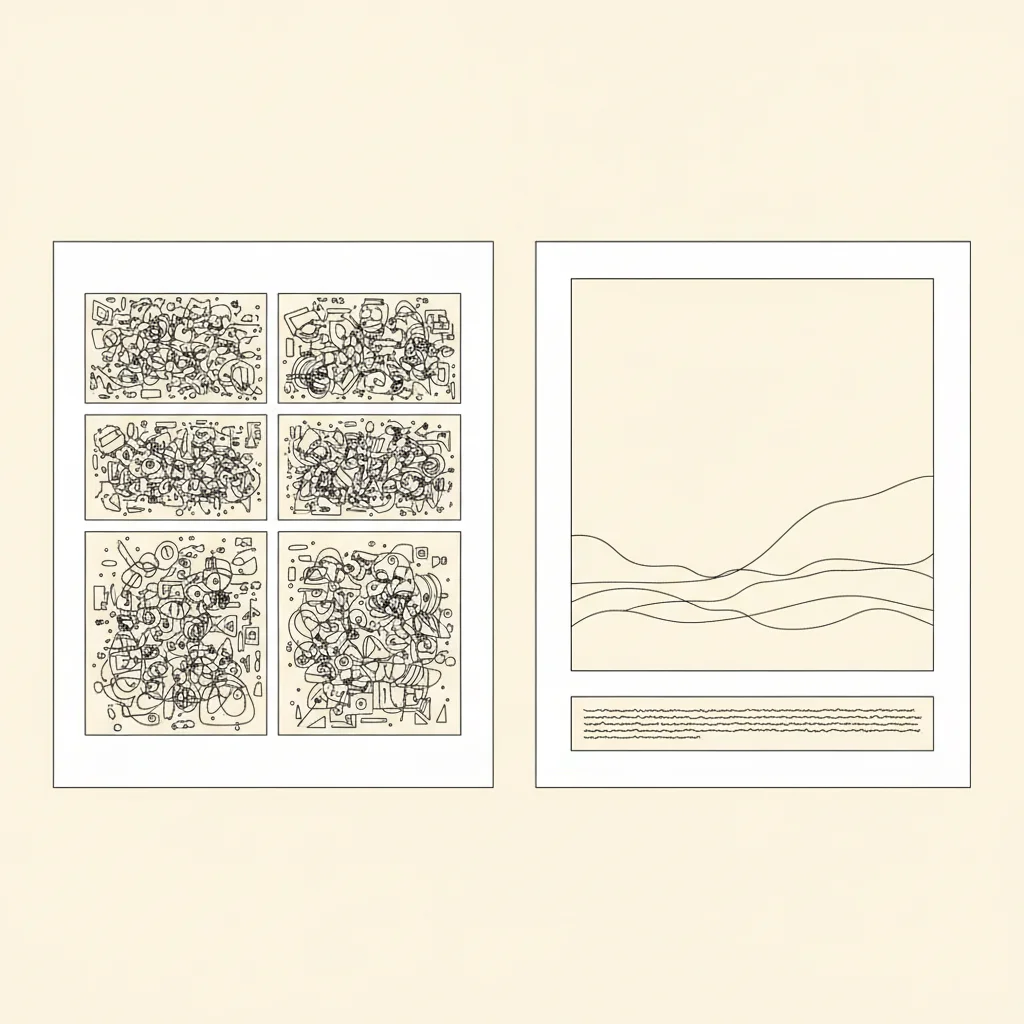
One image per page. A multi-panel page asks a child to scan actively from box to box, and scanning is the opposite of what bedtime is for. Where a comic uses a panel transition to move time forward within a page, a bedtime book moves time forward by turning the page — slower, and deliberately so.
Keep the words in narration rather than dialogue. A caption box or a text strip under the image lets the adult reading aloud find the line without searching the picture for the next bubble. Save an establishing shot for the first page so the child knows where they are, then stay close and quiet for the rest.
For the illustration itself, the warmer option usually wins at bedtime. The storybook oil painting style renders in lamp-lit, golden tones with visible brushwork — a register that rewards the slow look a listening child gives a picture while an adult reads. The kids comic style is brighter and higher contrast, which is the better choice if the child is reading it themselves at a different time of day, and a slightly worse one at lights-out.
Two palette instructions worth pasting into every page description:
Warm lamp-lit palette: deep blue, soft amber, cream.
Low contrast, soft edges, no harsh shadows.
Reuse those lines unchanged across every page. The same discipline applies to the character: one written description, saved once, referenced by name on every page. The full version of that workflow, including how to stop a character’s face drifting between pages, is in our guide to making a children’s picture book with AI.
In short: one image per page, narration not dialogue, warm low-contrast palette repeated unchanged.
Reading It Tonight: The Short Path
If bedtime is in half an hour, this is the order that fits.
- Generate the beats with the age, the gentle problem and the exclusions stated. Two minutes.
- Write the character line. A name, two physical details, one favourite object. If the child is the character, use their first name and something true — the colour of their door, the toy that goes everywhere. One minute.
- Write the pages. One sentence of narration per page for the younger bands, two for the older. Say them out loud as you write. Five minutes.
- Generate the pages in Comistitch Studio, referencing the saved character by name and pasting the palette lines into each page description.
- Read it through yourself once. You are checking for anything frightening and for any sentence you ran out of breath on. Under a minute.
- Read it out loud. Slower than feels natural.
If you want to keep it, the finished pages export as a single PDF with a page selection step, so you can leave out a page that did not work.
A one-shot — a complete, self-contained story — is the right format here. Serialising a bedtime story across nights is an appealing idea that works against the goal: a story that continues tomorrow is a reason to stay awake tonight.
In short: beats, character, pages, generate, read it yourself, read it aloud. Twenty minutes if you do not stop to perfect anything.
The Honest Limits
Worth knowing before you start, so nothing is a surprise at 8pm.
- The prose needs your pass. Generated children’s writing is structurally sound and rhythmically uneven. Reading it aloud once is not optional polish; it is the step that makes it readable.
- Pictures take longer than words. Generating a dozen illustrated pages is not instant. If bedtime is imminent, read the words tonight and make the pictures tomorrow.
- A PDF is not a printed book. You get the pages and a file. Trim sizes, bleed and a printer’s specification are a separate job.
- It will not know your child. Everything personal in the story is something you put there. That is also the part the child will remember, so it is worth the two minutes.
None of that is a reason not to do it. The reason to do it is that a story with your child’s name in it, about a problem they actually have, is not something you can buy — and until recently, making one with pictures meant being able to draw.