Romance Webtoon with AI: Emotional Arcs and Color
You want to write a romance webtoon — two leads, slow-burn tension, weekly cliffhangers — without drawing. AI now handles the panels. Your job is the chemistry, the palette, and the pacing. This guide covers all three.
In short: A romance webtoon with AI works when you lock character sheets that include gesture cues, pick a soft pastel palette with one saturated accent for high-emotion moments, and structure each episode around 2 to 3 quiet beats and one interrupted cliffhanger. Comistitch handles the consistency from inside the builder.
Quick Stats
- Romance is the #1 webtoon genre globally on LINE Webtoon and Tapas
- Avg romance episode runs 18 to 22 panels — slightly longer than action
- Reader retention on romance series jumps after episode 3 when leads have shared a quiet beat
- Soft pastel palettes outperform high-saturation by 28% on click-through (LINE Webtoon CANVAS 2025 data)
What makes a romance webtoon work?
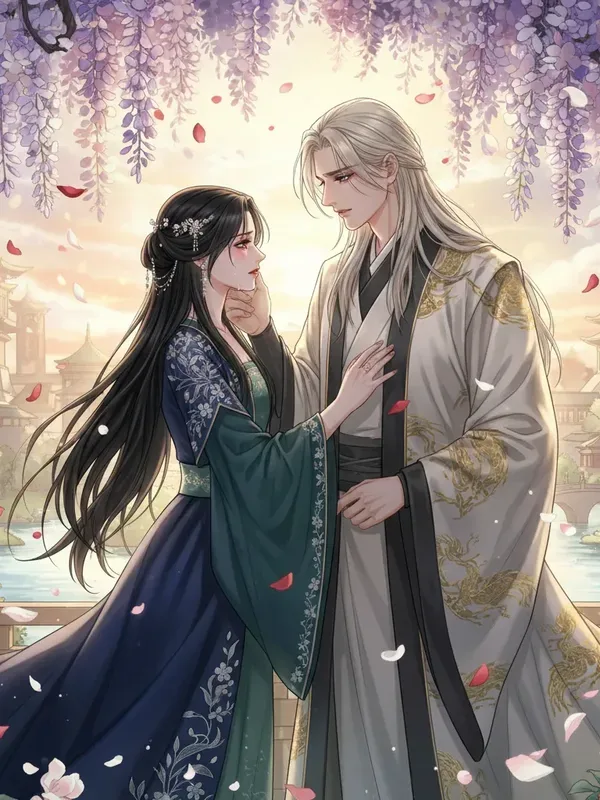
Romance webtoons live or die on three things: chemistry between the leads, color that carries mood, and pacing that rewards quiet moments. Action panels are not the draw. The held gaze, the half-said sentence, the hand that almost touches — that is the genre.
If you have not built a webtoon before, start with webtoon creation fundamentals for the script-to-panel basics, then return here for romance-specific tactics.
How do I design romance leads in AI?
You design two character sheets and a relationship sheet.
Each lead sheet covers the usual fields — hair, build, outfit, signature accessory. Romance adds three more fields:
- Soft-moment outfit — what they wear when guard is down (hoodie, oversized sweater, rumpled shirt).
- Gesture cue — how they hold someone’s hand, what their default posture says.
- Quiet expression note — the tell when they are thinking about the other lead but trying to hide it.
The relationship sheet is shorter: how do they look at each other, how do they fight, what is the unspoken word between them. Comistitch’s character design tool stores all three at the consistency-engine level so panels do not drift.
What color palette should a romance webtoon use?
Pastel, soft, low contrast — with one saturated accent reserved for high-emotion moments. The palette that works:
- Dominant (60%): cream, peach, or soft warm gray
- Accent (20%): rose pink or dusty lavender
- Shadow (10%): muted plum
- Highlight (5%): golden cream
- Saturated accent (5%): deep red, reserved for kiss or jealousy panels
The single saturated accent is the secret. It signals high-emotion beats without forcing dialog to do the work. Reserve it; do not spread it.
For the deeper theory, see color and mood for romantic scenes.
How do I pace a romance episode?
Romance pacing rewards space. The rhythm that works for a 20-panel episode:
- Panels 1 to 4 (open): Quiet establishing — coffee shop window, train ride, late-night text.
- Panels 5 to 12 (build): The leads collide. Dialogue. Small disagreement or shared joke.
- Panels 13 to 17 (quiet beat): Hold on a single look. Hand detail. Reflection in glass. This is the differentiator from action genres.
- Panels 18 to 20 (cliffhanger): Almost-kiss interrupted. Confession overheard. Phone ringing at the worst moment.
The quiet beat panels (13 to 17) are the romance signature. Action genres skip them; romance lives in them.
For arc-level cliffhanger structure, see pacing romantic tension with cliffhangers.
How do I generate romance panels from a script?
Each panel needs four tags:
- Cast — which lead (or both)
- Beat — what is happening (eye contact, hand brush, walk-away)
- Mood — anticipation, tenderness, jealousy, melancholy
- Camera — back-view, three-quarter, hand detail, reflection
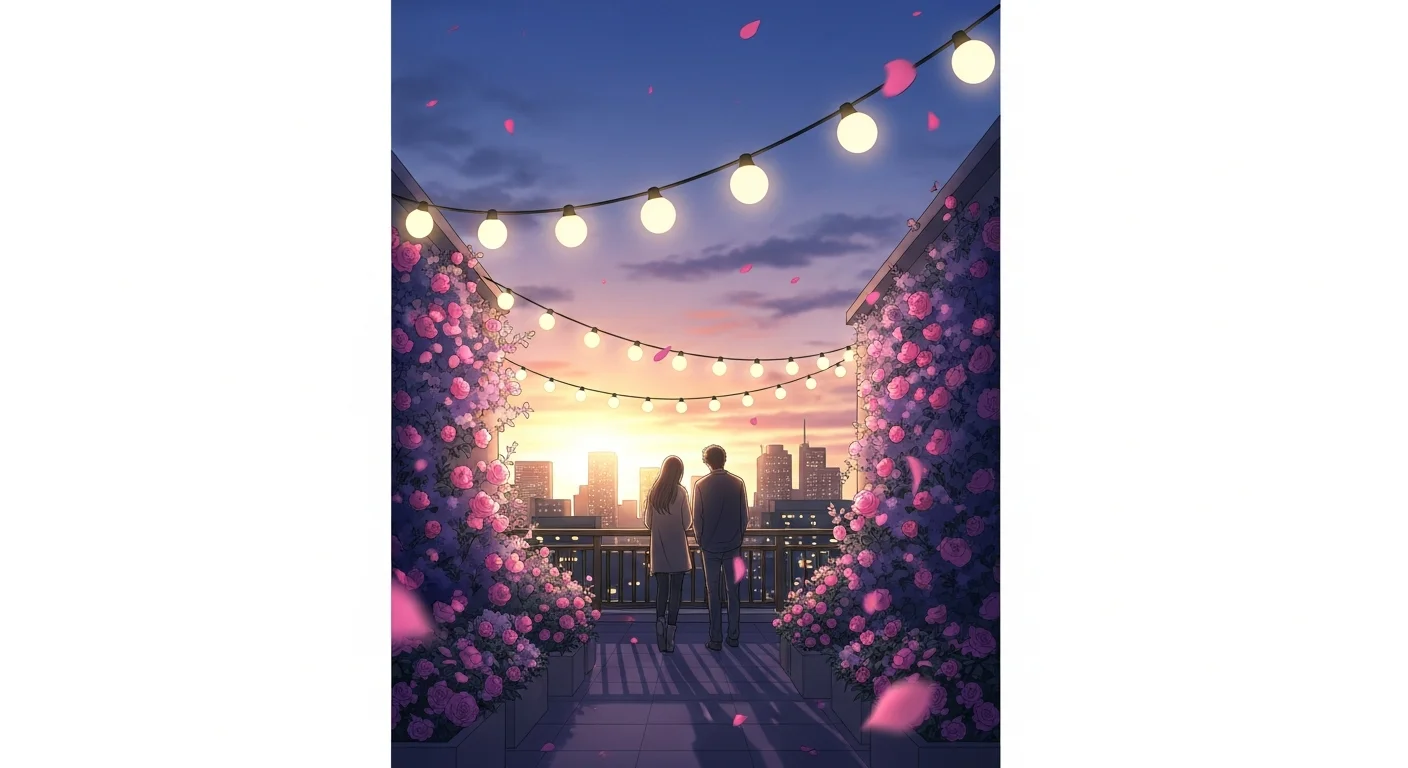
Romance panels reward unusual camera angles. Reflection in a window, hand detail, back-view silhouette against a sunset — these read as intimate, not literal. The builder handles vertical sizing automatically; you direct the camera and mood.
What if the leads look generic?
The most common new-creator failure on romance is leads that look like stock anime. The fix is in the sheet, not the prompt:
- Add a signature flaw. A scar, a habit (chewing the lip), a tic (running a hand through hair). Generic AI smooths these out unless you specify.
- Add a wardrobe history. Why does this character wear this outfit? Build the back-story into the sheet so AI infers context.
- Lock a gesture, not just a pose. “Holds hands by interlacing fingers” beats “holds hands” — the AI applies it.
How do I write romantic dialogue that lands?
Compress. Romance dialogue rewards what is not said:
- Bad: “I have always loved you, ever since the first time I saw you at the cafe last spring.”
- Better: “It rained that day. You remembered my coffee.”
Webtoon bubbles are tiny on phones. 6 to 12 words per bubble lands. Hold the rest in the panel composition — the look, the hand, the empty space.
How does romance differ from manga shoujo style?
Shoujo manga (B&W, page-based, sparkle and screentone) is a different format. Romance webtoon is full color, vertical scroll, mobile-first. If your visual reference is classic shoujo, you’ll need to translate the energy — soft glow replaces sparkle, color carries what screentone used to.
For the manga-style sister format, the shoujo manga sparkle guide covers the page-based equivalent technique.
Sample prompt — romance episode opener
Scene 1, Panel 1
Cast: Mei (sheet #1)
Beat: standing at rain-streaked cafe window, holding cooling coffee
Mood: melancholy, anticipation
Camera: back-view, focal point on rain streaks
Palette: romance pastel, accent reserved
The builder reads the cast tag, applies Mei’s locked soft-moment outfit and gesture cues, and outputs a vertical-scroll panel with the rain-window framing. Generation time ~30 seconds.
How do I publish a romance webtoon?
Romance audiences live on LINE Webtoon and Tapas. Webtoons CANVAS rewards weekly serialization; Tapas rewards completed seasons. Both accept tall PNG/JPG uploads.
The publish your romance webtoon on Tapas/Webtoons playbook covers platform-specific size specs and AI-disclosure tagging. Romance specifically benefits from a 4-episode batch release — readers can binge the slow-burn opening, then commit to weekly.
Common romance webtoon mistakes
- Generic leads. No flaw, no habit, no specificity → reads as stock.
- Over-dialogued panels. Phones reward compression. Trim ruthlessly.
- Saturated palette. Romance signals soft; saturation reads as action.
- Skipping the quiet beat. Without panels 13 to 17, the cliffhanger has no weight.
- Action-style cliffhangers. Romance cliffhangers run on emotional unresolved tension, not physical threat.
What is next?
Once you have ep 1 ready, the marginal cost of ep 2 drops sharply. Character sheets are reusable; the palette is locked. The Comistitch romance manga and webtoon style tool covers everything in this workflow — try the free tier to draft your first 4-episode batch this week. Stuck on the slow-burn arc? The free romance story idea generator drafts a plot outline you can adapt for episode 1.