Common manhwa tropes include regression, reincarnation and possession, isekai, murim, system status windows, hunters and gates, towers, the villainess, returners, academies and constellations. Each is a recurring premise in Korean webtoons that promises readers one specific advantage or reversal, and each decides how episodes are paced and where they end on a cliffhanger.
In short: a manhwa trope is a recurring premise that tells readers what kind of advantage or reversal the hero will get. Regression promises foreknowledge, a system promises visible growth and a villainess promises a rewritten fate, so the craft is delivering a piece of that promise every episode and breaking one expectation on purpose.
Last updated: 17 October 2026. Definitions draw on the genre’s own vocabulary; outside references are listed in Sources.
Below: a comparison table, one section per trope (definition, reader expectations, pacing, how to make it fresh), the romance and drama patterns, the pairs people mix up, and a short guide to building your own series. If you are new to the format itself, start with what manhwa means.
What are the most common manhwa tropes?
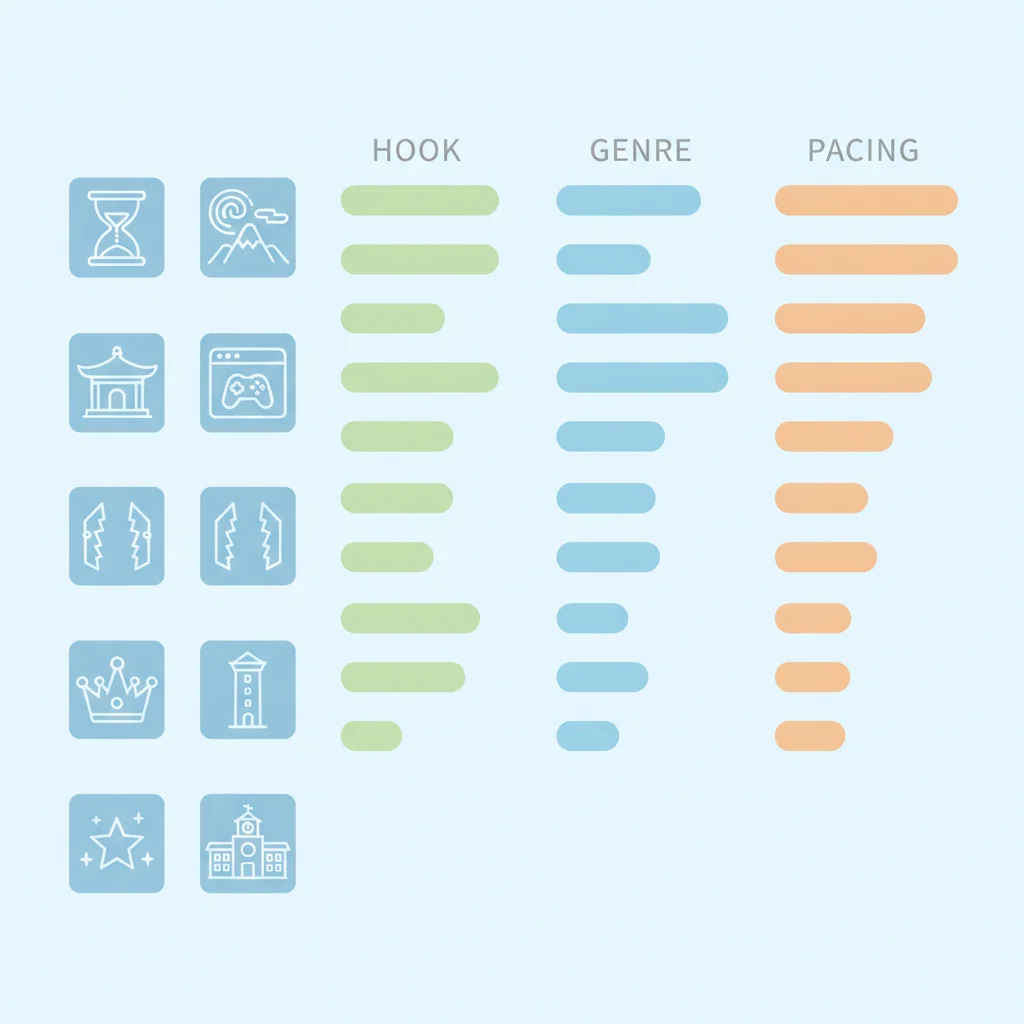
These are eleven recurring premises of fantasy and action manhwa. The table gives each one’s core hook and the genre it usually lives in; the sections after it go deeper.
| Trope | Core hook | Typical genre |
|---|---|---|
| Regression (regressor) | Second chance with memories of the future | Action, revenge, murim, fantasy |
| Reincarnation / possession | New life or someone else’s body, old memories | Fantasy, romance-fantasy, comedy |
| Isekai | Ordinary person moved into another world | Fantasy adventure |
| Murim | Sects, clans and inner-energy martial arts | Martial arts action |
| System / status window | Game-like interface with levels and quests | Action, LitRPG, comedy |
| Hunters and gates | Portals to monster dungeons open on Earth | Urban action fantasy |
| Tower | Climb floors, each with a test | Action, survival, mystery |
| Villainess | Heroine wakes as a doomed novel villain | Romance-fantasy |
| Returner | Hero comes back to Earth after years away | Urban action |
| Academy | School for fighters, mages or heirs | Action, school drama |
| Constellations / sponsors | Watching powers fund and judge the hero | Action, apocalypse fantasy |
What does regressor mean in manhwa?
A regressor is a character who dies or fails and wakes up at an earlier point in their own life, in their own body, keeping every memory of the future. The full definition and its cousins live in our regression glossary entry; here is how it behaves on the page.
Readers expect a failed timeline that hurt, a protagonist who acts with quiet certainty, and the satisfaction of watching a disaster get prevented one step ahead.
Pacing: regression is built for weekly releases. Each episode can cash in one piece of foreknowledge, such as a hidden treasure, a traitor exposed or a death avoided, and the cliffhanger is the next piece of the future coming due.
Make it fresh: let the future diverge early. A regressor whose knowledge is always right has no tension. Break the prophecy by chapter ten and the same memories become a liability.
What is the difference between reincarnation and possession?
Reincarnation gives a character a brand-new life, usually starting as a newborn, while possession drops their mind into someone else’s existing body, often a character from a novel or game they knew. When that body belongs to a character in a book, English-language readers also call it transmigration.
Readers expect the comedy and dread of a mismatched life: an adult mind in a child’s body, or a modern office worker suddenly holding a duke’s title and his enemies.
Pacing: reincarnation can spend early chapters on childhood training, which gives a slow-burn power curve. Possession starts mid-crisis, because the original owner of the body left problems behind, so the first cliffhanger usually lands on page one.
Make it fresh: give the body’s previous owner a presence. Their reputation, debts and relationships are a second plot you did not have to invent.
What is isekai, and how do manhwa use it?
Isekai is a story in which an ordinary person is summoned, reincarnated or trapped out of our world and into another one, then has to live there. The word is Japanese for “another world”, and our isekai glossary entry covers the three entry doors in detail. Background on the term’s history is on Wikipedia’s isekai page.
Readers expect a fish-out-of-water arrival, a special advantage (the “cheat”), and a world explained through the newcomer’s mistakes.
Pacing: the newcomer is an onboarding device, so isekai chapters can introduce one new rule each, and the cliffhanger is the moment a rule turns against them.
Make it fresh: make the cheat cost something. A power with a price creates scenes; a free power only creates wins. If you need a starting point, try the isekai cheat power generator, then see how the look comes together on the isekai style page.
What is a murim manhwa?
A murim manhwa is set in the martial world of Korean fiction, a society of sects, clans and wandering fighters with its own laws, ranks and feuds. Murim is the Korean reading of the Chinese wulin, the martial world of wuxia; the murim glossary entry maps the factions.
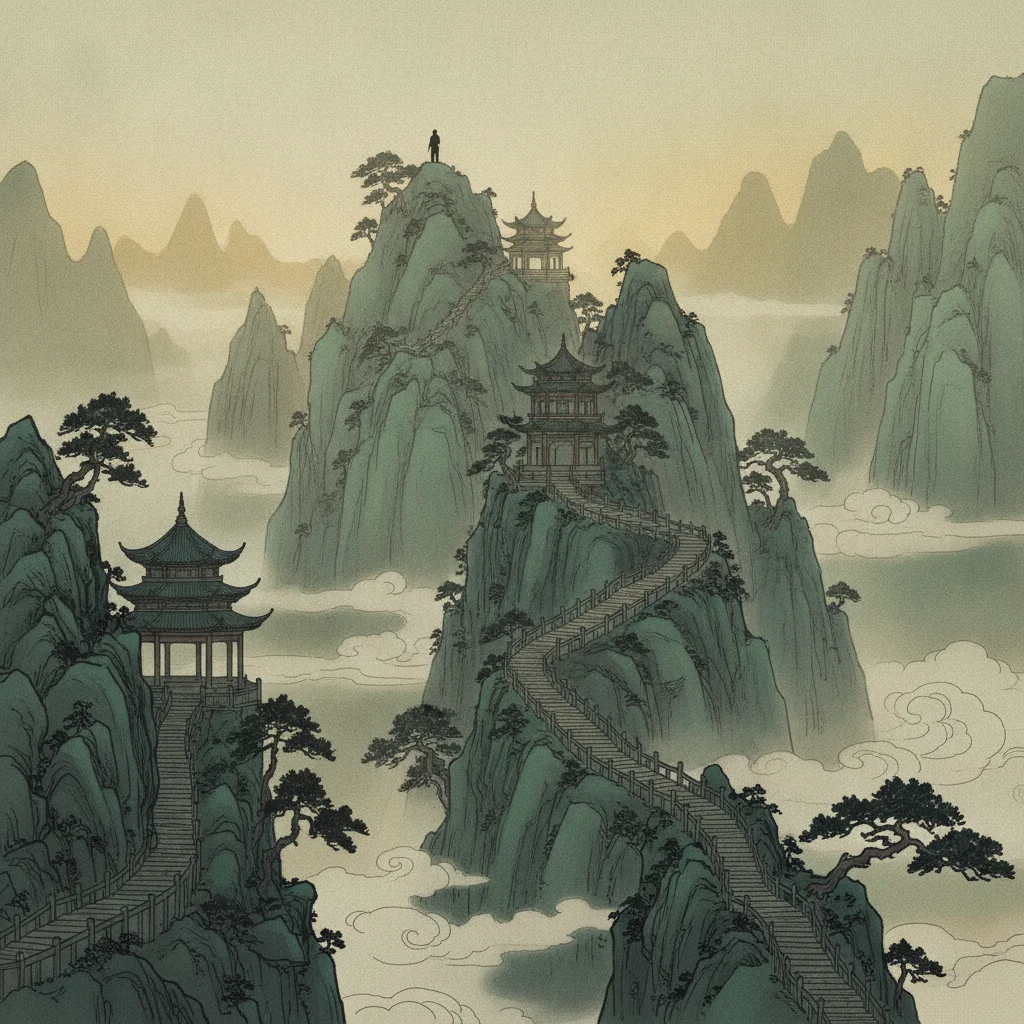
Readers expect inner-energy training, master and disciple bonds, orthodox against unorthodox sects, and a duel that settles a matter of honour.
Pacing: murim stories move in tiers. Each breakthrough to a new realm of power is an arc ending, and each arc opens by revealing someone stronger.
Make it fresh: make the politics the plot. A sect succession, a truce about to break or a massacre someone survived gives fights a reason beyond who is stronger.
What is a system manhwa?
A system manhwa gives the hero a game-like interface that only they can see: status windows, levels, skills, quests and rewards. It overlaps with the prose genre known as LitRPG.
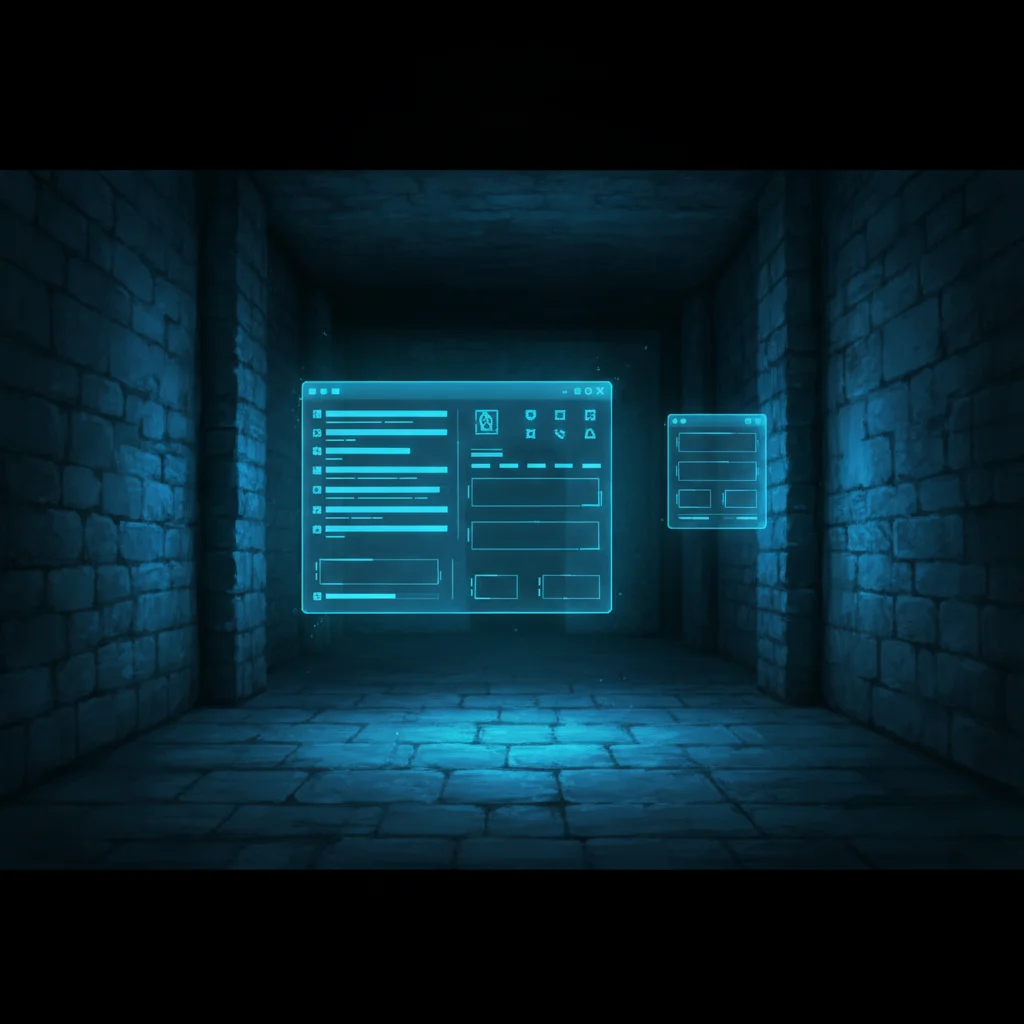
Readers expect visible growth, cryptic quest messages, and the joy of a stat jump after a hard fight.
Pacing: the system is a cliffhanger machine. A notification can end any episode: a new quest, a penalty, a hidden class unlocked.
Make it fresh: give the system a motive. If the window has an agenda, lies, or belongs to someone, the interface becomes a character instead of a scoreboard. On the page, keep window text to a few words so it reads at phone size.
What are hunters and gates in manhwa?
In manhwa, hunters are people who awaken superhuman powers to fight monsters that pour out of gates. Gates are portals to monster-filled dungeons that open across modern cities. In many series hunters are ranked by strength from E up to S, and guilds compete to recruit the best of them.
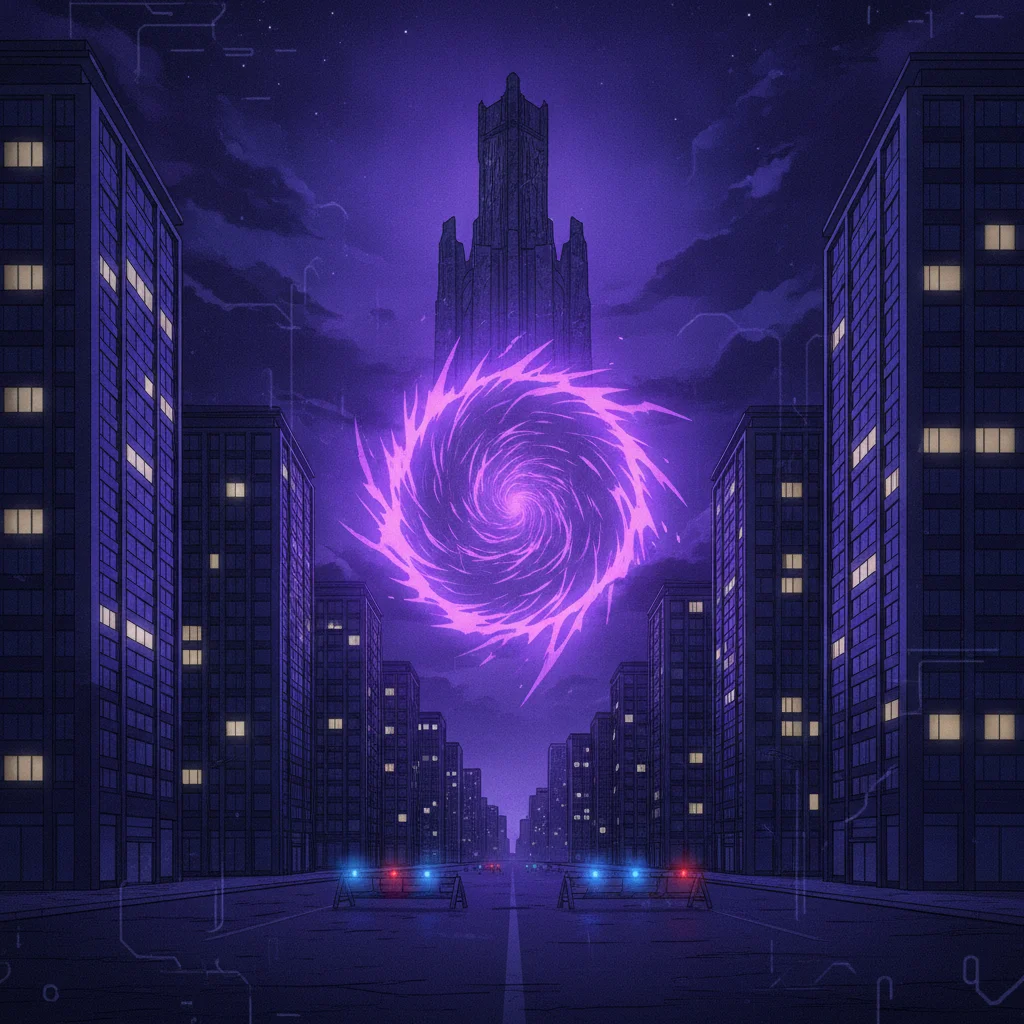
Readers expect an underrated hunter, a dungeon that is far worse than its rank suggests, and a public moment when everyone learns how strong the hero really is.
Pacing: one gate is one arc. Entering is the hook, the boss room is the climax, and the ranking reveal or guild reaction afterwards is the cliffhanger into the next arc. Our guide to action manhwa with AI covers how to stage those fights in vertical panels.
Make it fresh: show the ordinary city around the gates: insurance, news crews, families of hunters who did not come back.
What is a tower manhwa?
A tower manhwa sends its characters up a vast structure floor by floor, with each floor holding a test, a puzzle or a fight to the death.
Readers expect escalating rules, temporary alliances that may end in betrayal, and a mystery about who built the tower and what waits at the top.
Pacing: floors are natural episode units, and the cliffhanger is almost always the rule of the next floor being revealed.
Make it fresh: vary the test types. Three combat floors in a row read as filler; a floor that is a trial, a negotiation or a moral choice resets the reader’s attention.
What is a villainess manhwa?
A villainess manhwa is a romance-fantasy story in which the heroine wakes up as the villain of a novel she once read, usually a noblewoman fated to die, be exiled or be executed.
Readers expect a heroine who knows the plot, the doomed ending she must avoid, the original heroine of the novel, and male leads whose feelings start drifting away from the script.
Pacing: tension comes from fixed plot dates. The ball, the betrayal and the trial all sit on a calendar the heroine knows, and each chapter counts down toward one of them.
Make it fresh: let the original heroine be more than an obstacle. When the “good” heroine has her own plan, the villainess story turns from survival into a contest.
What is a returner in manhwa?
A returner is someone who was pulled into another world, survived there for years, and comes back to modern Earth with the power they earned.
Readers expect a hero hiding overwhelming strength in an ordinary life, family reunions that ache, and Earth slowly discovering it is not safe either.
Pacing: the returner’s past is told in flashbacks, so episodes can alternate between present-day calm and memories of the other world, ending on the moment the two collide.
Make it fresh: let the years away cost something. Missed funerals, a sibling who grew up without them, or habits that do not fit a peaceful life make the return a story rather than a power fantasy.
What happens in an academy manhwa?
An academy manhwa is set in a school that trains fighters, mages or heirs, often with a protagonist who has regressed, possessed a minor character, or arrived from a novel they read.
Readers expect rankings, rival students, practical exams, a mentor with secrets and a festival or tournament arc.
Pacing: the school calendar does the work. Entrance exam, midterms, field training and finals give a ready-made arc structure, and each exam ends on a ranking reveal.
Make it fresh: use the school’s teachers, prerequisites and class politics as obstacles, not only the students.
What are constellations and sponsors in manhwa?
In manhwa, constellations are godlike beings who watch the hero’s struggle like a live broadcast and sponsor them with coins, blessings or demands. The trope appears in apocalypse and scenario-survival series rather than everywhere.
Readers expect comment-style reactions from the watchers, scenarios the hero is forced to clear, and sponsors whose favour comes with strings.
Pacing: sponsor reactions give each episode a built-in reaction beat, and a new scenario announcement is a ready-made cliffhanger.
Make it fresh: let the audience change the story. If sponsors can vote, bet or withdraw, the hero has to perform for them, which creates choices a plain power system cannot.
What romance and drama tropes recur in manhwa?
Romance and drama manhwa run on their own recurring set, often inside the villainess and academy settings above. Each is a relationship pattern rather than a world.
| Trope | Definition |
|---|---|
| Contract relationship | Two characters agree to a fake engagement or marriage for practical reasons, and real feelings follow. |
| Second male lead | A rival love interest who is kind and devoted but is not the one the heroine chooses. |
| Childhood friends to lovers | Two people who grew up together slowly realise the friendship has become romance. |
| Enemies to lovers | Characters who start as rivals or opponents fall for each other through conflict. |
| Revenge | A wronged character returns, often with a new identity or power, to make the guilty pay. |
| Overpowered protagonist | The hero is already far stronger than everyone else, and the fun is watching others underestimate them. |
| Hidden identity | A character conceals a rank, power or past, and the story builds toward the reveal. |
| Class gap | A romance across a wide difference in status, such as a commoner and a noble heir. |
These patterns combine freely with the fantasy premises: a villainess story often runs on a contract relationship, and a regression story is often a revenge story.
How do regression, reincarnation, isekai and returner differ?
These four are easy to mix up. Regression goes back in time; reincarnation and possession start a different life; isekai changes worlds; a returner comes back to the original world with a real past.
| Trope | Whose body? | Which world? | Direction in time | What the hero knows |
|---|---|---|---|---|
| Regression | Their own | Same world | Back to an earlier date | The exact future |
| Reincarnation / possession | New or someone else’s | Often a different world | New life begins | Their old life, sometimes the plot of a novel |
| Isekai (summoning) | Their own | A different world | Forward | Modern-world knowledge |
| Returner | Their own, changed | Back to Earth | Forward, years later | Everything they survived elsewhere |

Two neighbours also get mixed in. A time loop repeats the same stretch of time again and again, while regression usually rewinds once. And a returner is not a regressor: the returner’s years in another world really happened, while the regressor’s failed future is erased by the rewind.
The quick test: ask what the hero knows. Regressors know the future, reincarnators know their past life, isekai heroes know our world, and returners know another world.
Why do manhwa stack several tropes together?
Because each trope answers a different question. A setting trope (murim, academy, hunters, tower) decides where the story happens. A premise trope (regression, possession, returner) decides why the hero is different. A mechanic (system, constellations) decides how growth is shown. A regressor inside a murim sect who also has a status window is one choice from each column, which is why such combinations feel natural rather than crowded.
Stacking is also why readers complain about tropes being overused: when every series opens with the same regression or the same status window, the premise stops being a hook. The answer is not to avoid tropes but to pick one to lead and twist it.
When you stack, pick one trope to lead. Readers should be able to describe your series in one line, and the lead trope is the first half of that line.
How do I use a trope in my own manhwa with Comistitch?
You write; Comistitch draws the pages. Here is a loop that works for a trope-led first episode:
- Write the promise in one line. “A hunter who died in a gate wakes up on the day of his awakening test.” That line is your trope, your hero and your first hook.
- Create your cast. Make one portrait reference per recurring character so faces and outfits stay the same across pages. For a regressor, you can add a second reference for the older self.
- Script the episode. Write a short page and panel script, or paste prose. End the last page on a reveal: a prophecy breaking, a status window appearing, a gate opening.
- Review the panel breakdown. The studio shows the pages and panels it built from your script before generation, so check each line of dialogue sits in the right panel.
- Generate in a manhwa style. The AI manhwa generator style gives full-colour vertical pages. From inside the builder you can reroll a single panel if one shot misses.
Here is a prompt you can adapt and paste into the Comistitch studio:
Full-colour vertical manhwa, episode one, three pages. A low-ranked hunter
in his twenties dies when a dungeon gate collapses, then wakes in his old
apartment ten years earlier, on the morning of his awakening test. Page 1:
the collapse, red light, falling stone; he wakes in bed and checks a
cracked phone showing the old date. Page 2: the crowded testing hall; he
touches the test crystal and a blue status window only he can see appears.
Page 3: the crystal flares a colour nobody has seen, and the hall goes
silent. Keep his face and grey
jacket the same in every panel.
New accounts get 100 free credits with no credit card, and a page costs 30 credits, so the three-page episode above fits in the free credits with 10 to spare. For where to end each episode, our guide to webtoon pacing and cliffhangers goes panel by panel.
Sources
Last checked October 2026.
- Isekai — Wikipedia: origin and meaning of the term
- Manhwa — Wikipedia: Korean comics and the webtoon format
- Wuxia — Wikipedia: the Chinese martial-arts genre that murim draws on
- LitRPG — Wikipedia: the game-mechanics genre behind system stories
Where to next?
- Regression, murim and isekai — the three tropes with full glossary entries
- Action manhwa with AI — staging hunter and murim fights in vertical panels
- AI manhwa generator — see what the manhwa style produces
- Start your first episode in the studio — the builder handles drawing and consistent faces while you write