Comistitch just added Webtoon Romance, a semi-realistic Korean romance webtoon style with soft painterly matte shading and warm natural light — distinct from the standard Webtoon style’s flat cel-shading. It targets the modern Naver and Lezhin romance-drama look, ships on the free tier, and is selectable from the same Style Settings dropdown as every other style.
In short: Webtoon Romance is a new free-tier Comistitch style — soft painterly matte shading, delicate thin lineart, warm low-contrast light, semi-realistic proportions — built for Korean romance-drama pacing. The standard Webtoon style was also upgraded to a matte painterly finish at the same time.
Jump to: what it is · how it differs from standard Webtoon · why it was added · visual traits · best genres · how to use it · vs Manhwa and Romance Manga · FAQ
What Is the Webtoon Romance Style?
Webtoon Romance is Comistitch’s 21st comic art style — a semi-realistic Korean romance webtoon look defined by soft painterly matte shading and warm natural light. Where most webtoon rendering leans on flat, glossy cel-shading, Webtoon Romance renders characters with delicate thin lineart, individually visible hair strands, and mature, semi-realistic proportions closer to the art direction of modern Naver and Lezhin romance-drama serials.
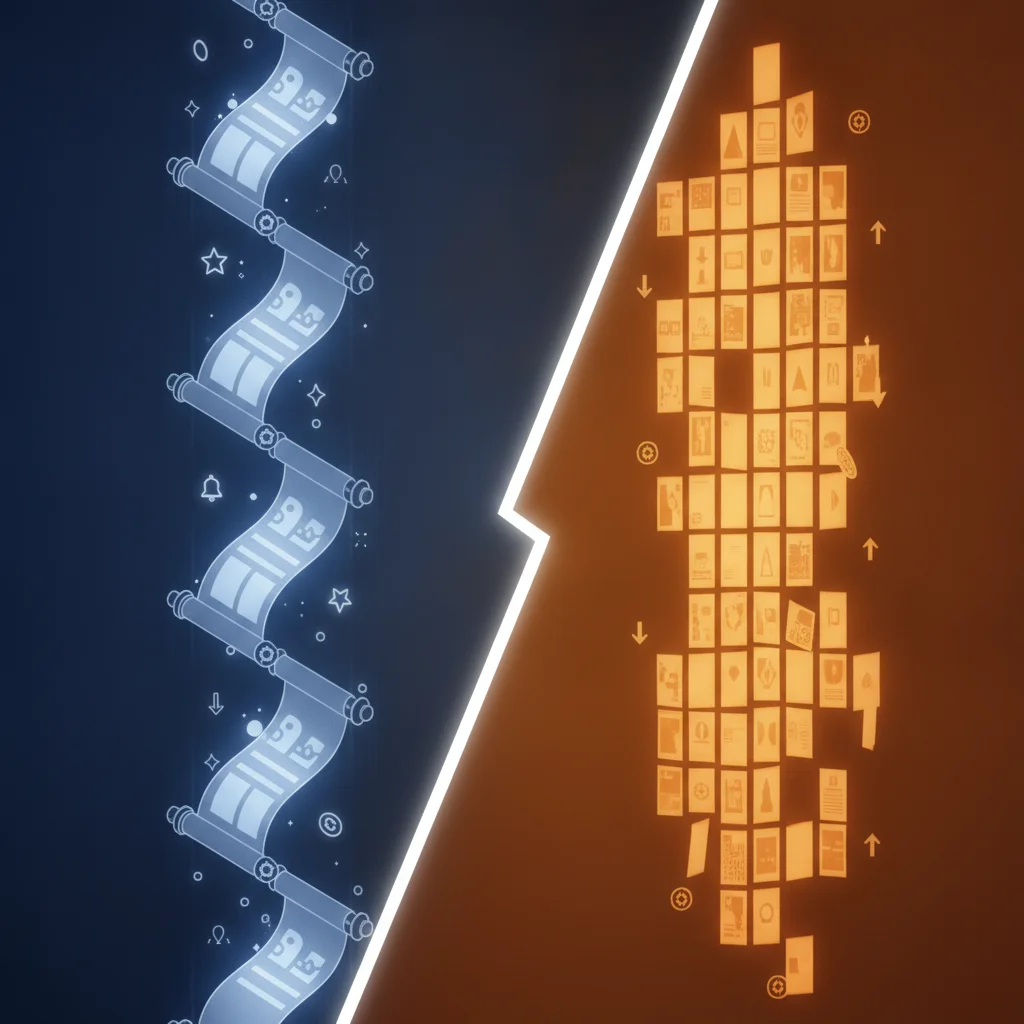
It sits inside the same webtoon rendering family as the standard Webtoon style — full color, vertical-scroll panel format (the motion readers often call toon scroll), mobile-first composition — but swaps the shading pipeline and lineart weight for something built specifically around slow-burn romance pacing rather than fast episodic action.
How Is Webtoon Romance Different from the Standard Webtoon Style?
The clearest way to see the difference is side by side. Standard Webtoon was itself upgraded in the same release — it dropped its old glossy plastic highlight and now renders with a matte painterly finish too, but it keeps its brighter, punchier palette built for general-genre episodes. Webtoon Romance goes further in the same painterly direction, adding warmer low-contrast lighting and thinner, more delicate lineart tuned for close-up emotional beats.
| Trait | Standard Webtoon | Webtoon Romance | Comistitch advantage |
|---|---|---|---|
| Shading | Matte painterly finish, bright airy palette | Soft painterly matte shading, warm low-contrast light | Both ship on the free tier — no upgrade needed to compare |
| Lineart | Clean flat lineart, medium weight | Delicate thin lineart with visible hair-strand detail | Same character-consistency engine keeps both readable across scenes |
| Proportions | Standard webtoon proportions | Semi-realistic, mature proportions | Swap styles mid-project from one dropdown, no re-setup |
| Lighting mood | Bright, energetic, general-purpose | Warm, cozy, low-contrast, intimate | Builder applies the correct lighting pass automatically per style |
| Best for | Action, slice-of-life, fantasy episodes | Romance, drama, slow-burn emotional scenes | Pick per-scene — style is a project setting, not a permanent choice |
Neither style requires a plan upgrade to test — both are available from the same free-tier dropdown, so the fastest way to feel the difference is generating the same scene twice, once per style, and comparing the renders directly rather than reading trait lists.
Why Did Comistitch Add a Dedicated Romance Webtoon Style?
Romance is consistently one of the most-selected genres across Comistitch’s manga and webtoon styles, and readers of Korean romance webtoons on platforms like Naver and Lezhin recognize a specific visual register that flat cel-shading doesn’t fully capture: soft, painterly light that lingers on a character’s face during a quiet moment, thin lineart that reads as intimate rather than graphic, and mature proportions suited to adult relationship storytelling rather than youthful shojo drama.
The standard Webtoon style, even after its own painterly-finish upgrade, is still tuned as a general-purpose format for any genre. Webtoon Romance exists so romance and drama creators don’t have to fight a general-purpose shading pipeline to get the softer, warmer register their genre calls for — the builder now ships a style purpose-built for it instead of a workaround.
This also closes a gap between Comistitch’s two existing romance-adjacent options. Romance Manga covers the classic black-and-white shojo tradition, and Manhwa covers glossy, cinematic full-color drama, but neither matches the specific matte, painterly, semi-realistic look that dominates the current wave of adult-skewing Korean webtoon romance serials. Webtoon Romance fills that middle ground directly instead of asking creators to approximate it with prompt workarounds on an adjacent style.
What Are the Visual Traits of Webtoon Romance?
Four traits define the Webtoon Romance render pipeline in practice.
- Soft painterly matte shading. No hard cel-shade edges or glossy highlight dots — shadows blend gradually across the face and clothing, closer to painted light than flat digital cel work.
- Delicate thin lineart. Line weight is noticeably thinner than standard Webtoon or Manhwa, giving panels a softer, more intimate feel appropriate for close-up dialogue scenes.
- Detailed hair strands. Individual hair-strand rendering replaces the flat hair-mass shapes common in cel-shaded styles — a small detail that reads immediately as “painterly” rather than “flat color.”
- Warm, cozy, low-contrast lighting. Scenes lean toward golden-hour interiors, soft window light, and evening lamp glow rather than the punchier, higher-contrast lighting used in action-oriented webtoon styles.
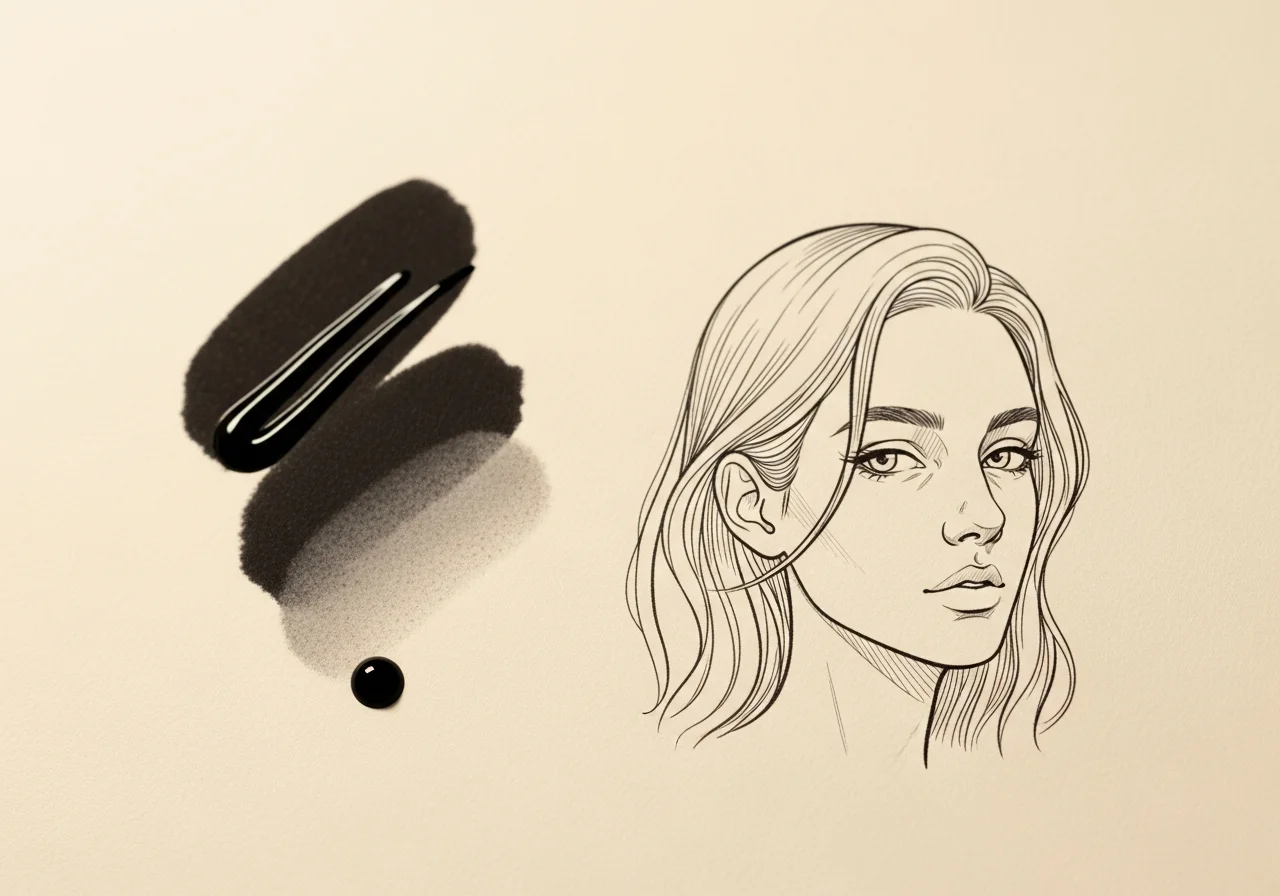
Combined with semi-realistic, mature character proportions, the result reads closer to the modern Naver/Lezhin romance-drama look than the brighter, younger-skewing aesthetic of classic shojo manga. None of these four traits need to be prompted individually — they’re baked into the style pipeline itself, which is what separates a dedicated style from a generic prompt workaround layered on top of an existing one.
Which Genres and Scenes Suit Webtoon Romance Best?
Webtoon Romance is tuned for slow-paced, emotionally driven storytelling rather than fast action.
Slow-burn romance. Close-up reaction panels, held eye contact, hand-touch moments — the soft matte shading and warm light do the emotional work that dialogue alone can’t carry.
Adult and workplace drama. The semi-realistic, mature proportions suit office romance, found-family drama, and any story where characters read as adults rather than teenagers.
Quiet slice-of-life interludes. Even inside an action-forward webtoon series, a cozy dinner scene or late-night conversation panel can switch to Webtoon Romance for the sequence and back afterward — style is a per-project setting you can change scene by scene by regenerating individual panels.
Reunion and confession scenes. The two highest-stakes emotional beats in any romance arc — a long-awaited reunion and a confession — benefit the most from painterly low-contrast light, since both moments live or die on subtle facial expression rather than dynamic composition.
For scripting a full romance episode arc rather than a single style choice, the romance webtoon with AI guide covers chemistry pacing, color palette ratios, and cliffhanger rhythm end to end.
How Do I Use the Webtoon Romance Style in Comistitch Studio?
Switching to Webtoon Romance takes the same three steps as any other style change, shipped from inside the builder.
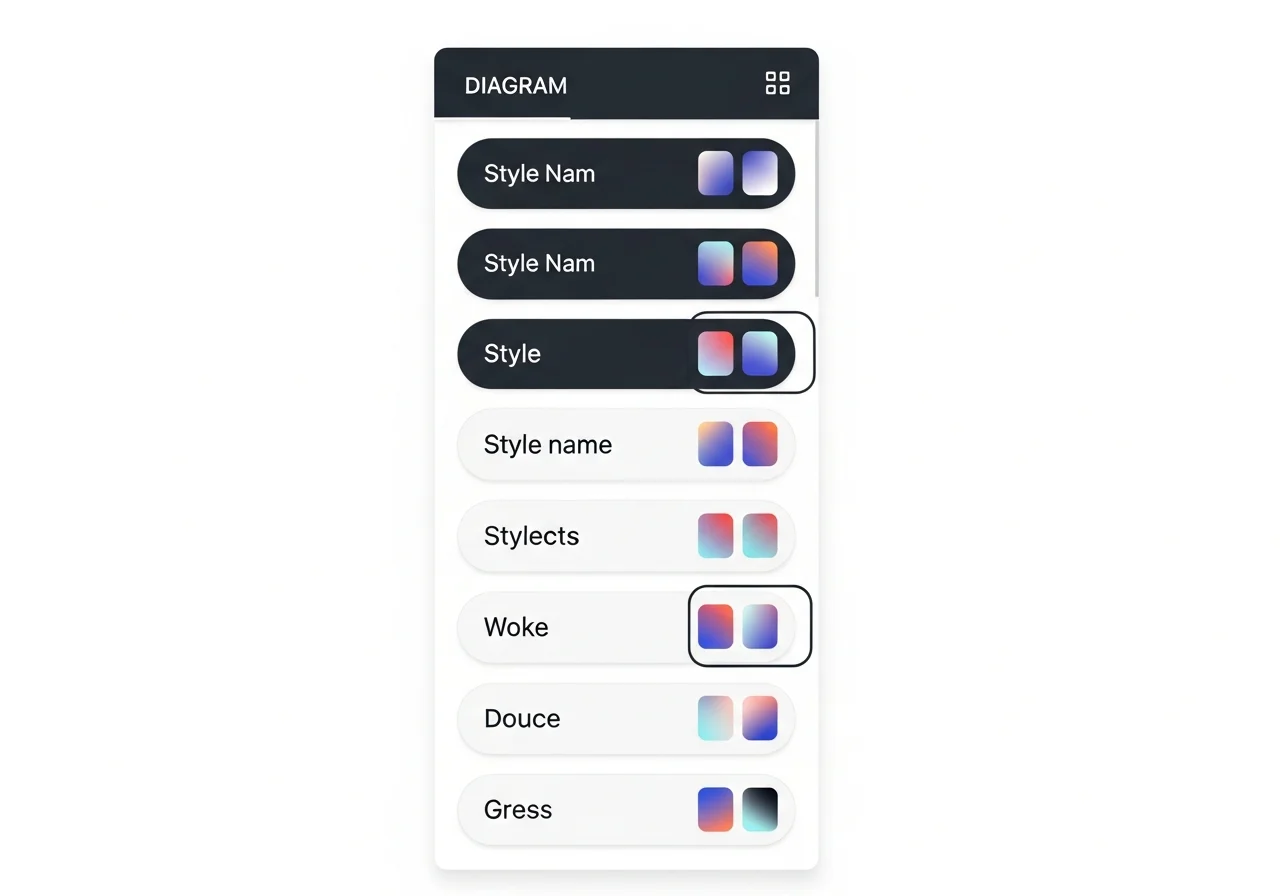
- Open Style Settings. Inside a project, open the right-sidebar Style Settings panel and select “Webtoon Romance” from the style dropdown — no separate account tier or unlock is required.
- Write the scene, not the shading. Describe who is present, the mood, and the setting in plain text. The builder handles the painterly matte shading, thin lineart, and warm light pass automatically once the style is selected — you don’t need to prompt for those traits directly.
- Generate a test panel first. Render one close-up panel before committing a full episode. Painterly, low-contrast styles reward a quick visual check since lighting mood is harder to judge from text alone than flat cel-shade styles are.
- Mix styles across a series if it fits the story. Because style is a project setting, not a permanent choice, you can render a quiet Webtoon Romance interlude inside an otherwise Manhwa or standard Webtoon series, then switch back for the next fast-paced chapter — the character-consistency engine keeps both leads recognizable across the switch.
A ready-to-paste prompt for testing the style:
Scene: two romantic leads sit across a small café table near a rain-streaked
window at dusk, warm lamp light from the counter, quiet conversation, one
lead reaching across the table. Close-up composition favoring facial
expression and hand gesture over background detail. Style: Webtoon Romance —
soft painterly matte shading, thin delicate lineart, warm low-contrast
lighting, semi-realistic proportions. Keep both character designs consistent
if regenerating this scene from an earlier chapter.
How Does Webtoon Romance Compare to Manhwa and Romance Manga Styles?
Three Comistitch styles now cover romance-adjacent storytelling, each with a distinct visual register.
| Style | Rendering family | Color | Best for |
|---|---|---|---|
| Webtoon Romance | Webtoon | Full color, painterly matte | Slow-burn, adult, semi-realistic romance |
| Manhwa | Manhwa | Full color, glossy cel-shade | Cinematic action-romance hybrids |
| Romance Manga | Manga | Black-and-white, shojo screentone | Younger-skewing shojo drama with sparkle FX |
Manhwa keeps the glossy, hard cel-shaded contrast that suits romance stories with action or thriller elements woven in. Romance Manga stays black-and-white with sparkle and flower decorative effects, closer to classic Japanese print-manga tradition. Webtoon Romance sits between them visually — full color like Manhwa, but painterly and matte like a softer illustration medium, with semi-realistic proportions neither of the other two uses. For a full breakdown of how the underlying formats differ beyond just this trio, see the manhwa vs manga vs webtoon guide.
Common Mistakes When Prompting Webtoon Romance
- Describing lighting instead of trusting the style. The style already applies warm, low-contrast light — over-specifying lighting in every prompt can fight the built-in pass. Describe the scene and mood; let the style handle the render.
- Using action-genre pacing language. Impact frames and speed-line cues are built for cel-shaded action styles. Webtoon Romance reads better with held-moment, close-up, gesture-focused scene descriptions.
- Skipping the character brief. Semi-realistic proportions make subtle expression differences more visible than in flatter styles — a short personality note per lead (guarded, expressive, reserved) improves expression accuracy noticeably.
- Not testing a close-up panel first. Painterly shading reads differently at close range than in a wide establishing shot — always generate one close-up test panel before committing a full episode.
- Forgetting that standard Webtoon changed too. Creators comparing old reference renders against the current standard Webtoon style may be looking at the retired glossy finish — regenerate a fresh comparison panel before deciding between the two styles.
Try Webtoon Romance in Comistitch Studio Today
Webtoon Romance and the upgraded standard Webtoon style are both live now, free to test from the same Style Settings dropdown inside Comistitch Studio. If you’re still deciding which of Comistitch’s styles fits your story, the AI comic art styles compared guide puts every style — including Webtoon Romance — side by side on the same character for a direct comparison.