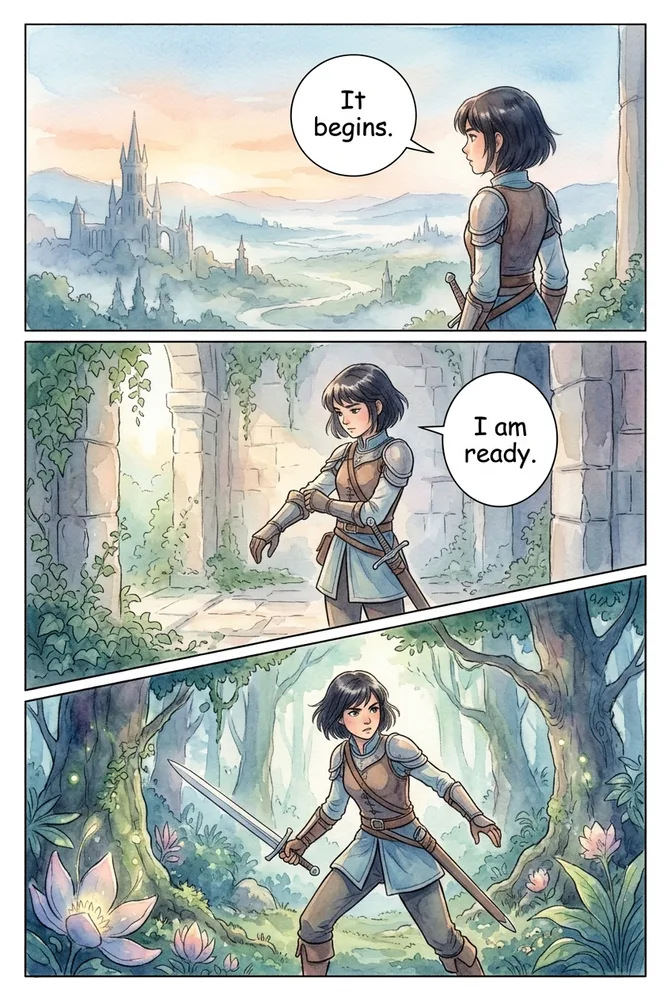
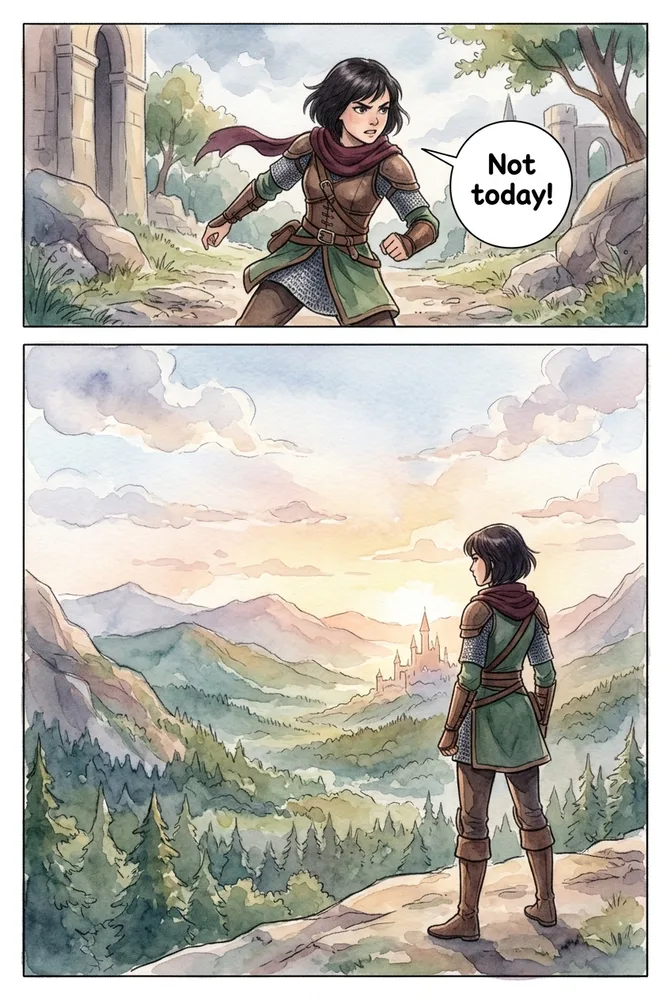
AI painted comic styles fall into five distinct mediums — semi-realistic (ink over watercolor wash), storybook-oil (impasto warmth), graphic-novel-painted (oil realism), hyperreal-painted (photoreal brushwork), and watercolor-fantasy (soft wash and bleed). Each renders the same character completely differently. The medium word you choose matters more than any other part of your prompt. Each style section below also carries the same fictional cast into an action scene, so you can confirm the character stays consistent as the medium shifts.
In short: Comistitch ships five painted comic styles, each built on a different physical medium — pick the medium first (watercolor, oil, gouache-hybrid, or photoreal brushwork), then layer scene and lighting cues on top.
Most painted-style prompts fail for one reason: creators describe the scene in detail and never name the medium. A prompt that says “dramatic lighting, cliff edge, warrior” with no medium cue will default to whatever the model considers “painted,” which is rarely what you pictured. This guide breaks down all five Comistitch painted styles with copy-paste prompt recipes so you can name the medium correctly the first time.
What are AI painted comic styles?
Painted comic styles simulate a physical painting medium — brush, palette knife, wet wash — instead of the clean vector-style inking used in manga or webtoon styles. Where line-art styles define a character with an outline and flat fill, painted styles build the character out of layered color and visible texture, the same way a traditional illustrator would work from underpainting to final highlights.
Comistitch’s five painted styles cover a spectrum from stylized-painterly to near-photoreal: semi-realistic and watercolor-fantasy stay closer to illustration, while graphic-novel-painted and hyperreal-painted push toward cinematic realism. This split matters when you pick a style — it determines whether your comic reads as a warm storybook or a prestige graphic novel.
Why does the medium word change the whole render?
Diffusion models associate specific texture patterns with specific medium vocabulary. “Oil impasto” activates thick, ridged brushstroke patterns. “Watercolor wash” activates soft edge-bleed and transparency. “Gouache” sits between the two — matte, flat, but still hand-painted. If your prompt never names a medium, the model guesses, and painted styles are exactly where that guess goes wrong most often.
This is the single biggest lever in a painted-style prompt, more than lighting, more than composition. Get the medium word right and the rest of the prompt just fine-tunes mood.
How does semi-realistic style paint your character?
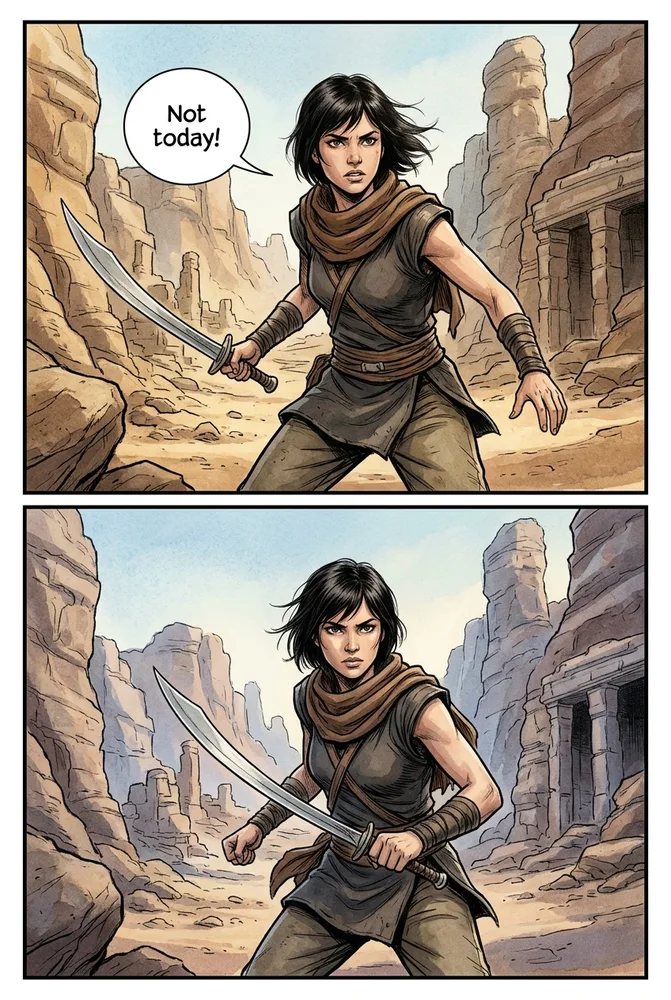
Semi-realistic layers clean inked linework over a watercolor-and-gouache color wash — think Saga or Hellboy’s painted-grit hybrid look. It keeps a readable line for action clarity while the color underneath carries texture and mood.
Prompt recipe: inked linework over watercolor-and-gouache wash, gritty painted texture, muted earth-tone palette, visible brush bleed at panel edges, dramatic side lighting
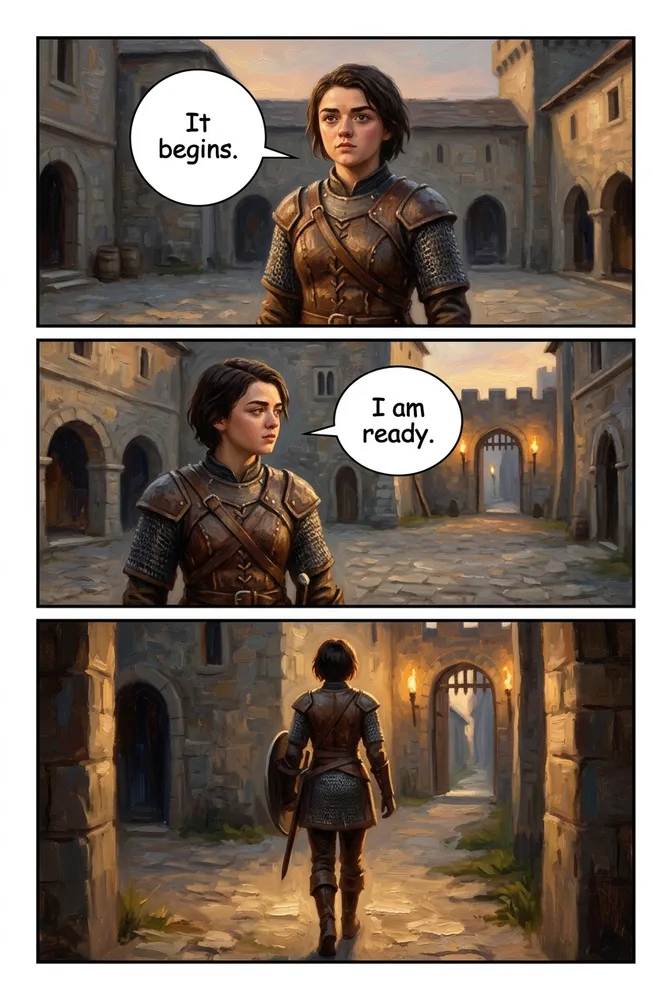
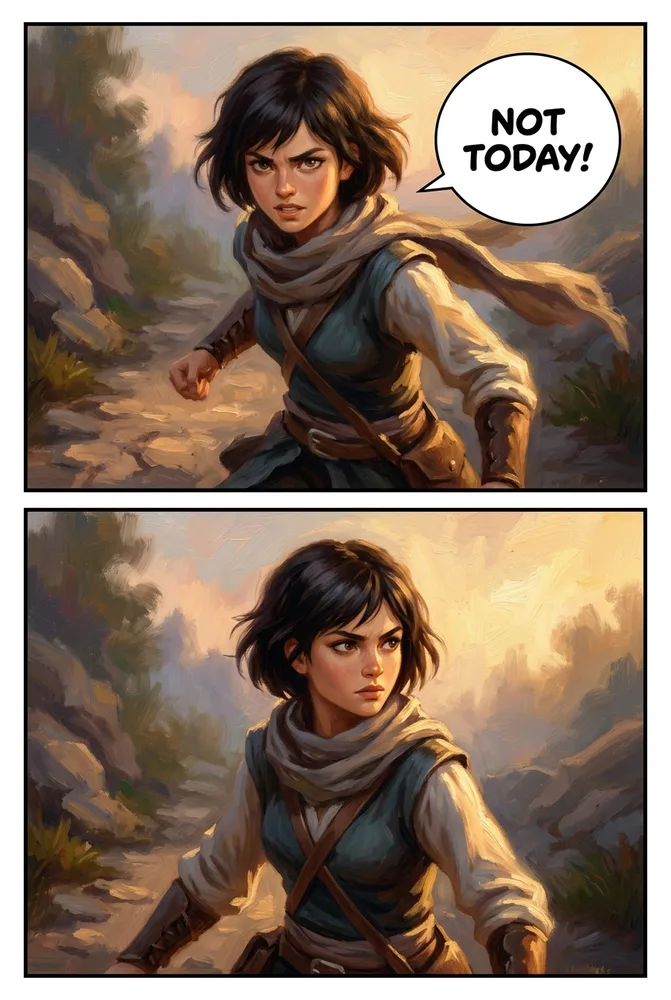
How does storybook oil painting style paint your character?
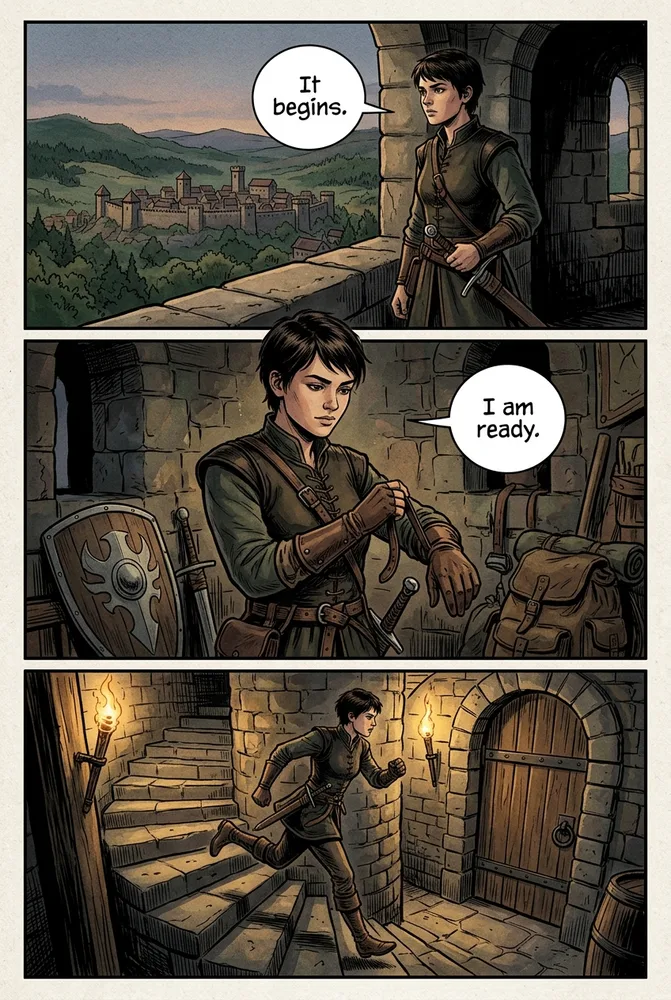
Storybook-oil uses visible oil impasto — thick, ridged paint texture — with warm golden-hour lighting and soft painterly edges. It’s the style built for children’s books, fables, and cozy fantasy: nothing about it reads as gritty or violent.
Prompt recipe: visible oil impasto brushwork, warm golden-hour lighting, soft painterly edges, storybook illustration quality, rich amber-and-forest palette
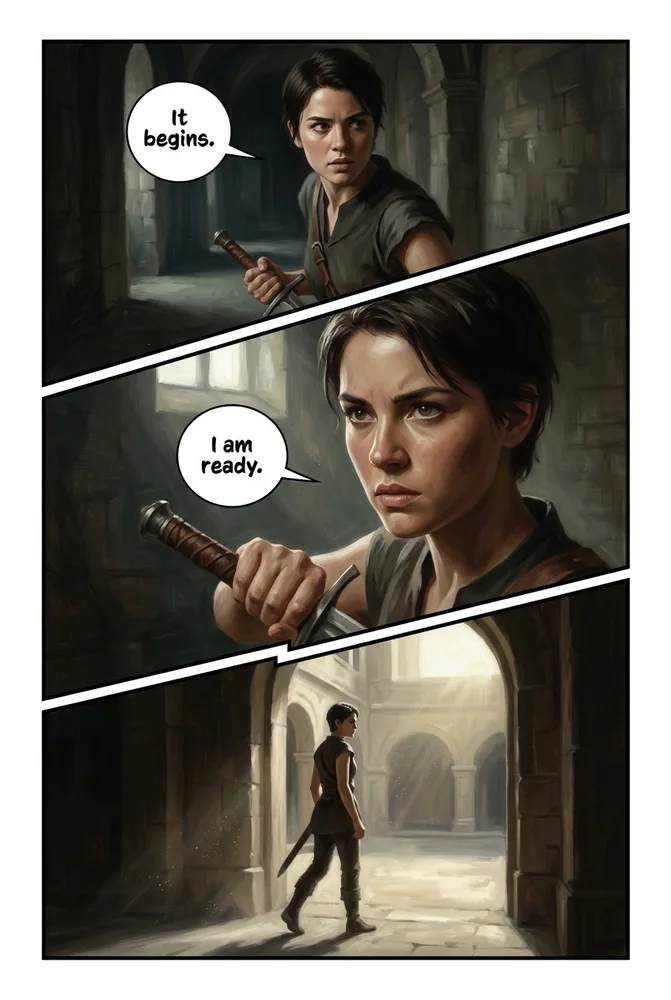
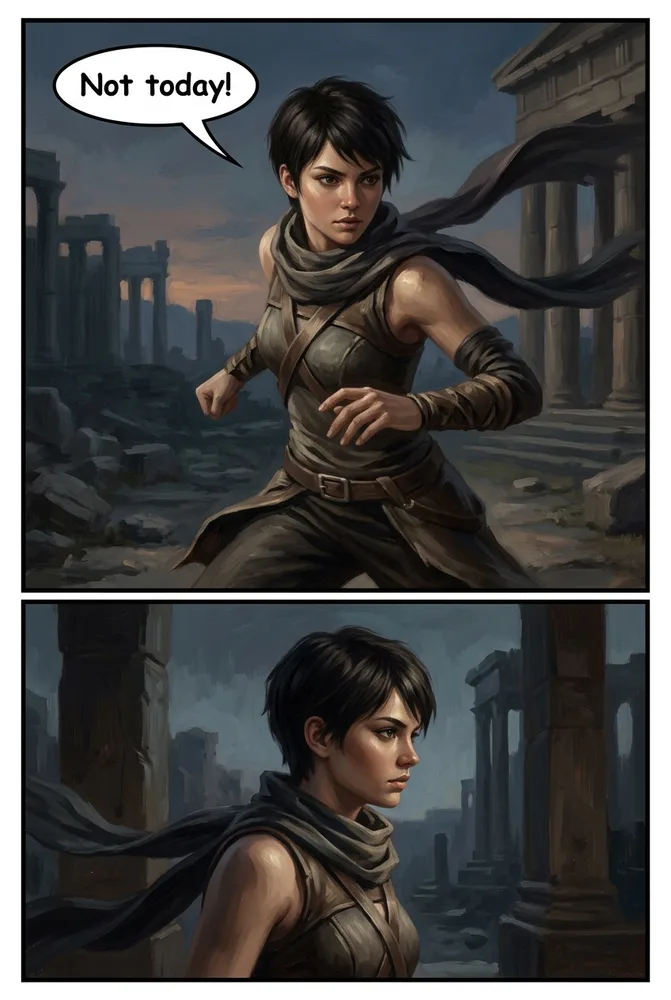
How does graphic-novel-painted style paint your character?
Graphic-novel-painted drops the ink line entirely for full oil-realism — museum-grade chiaroscuro lighting in the Alex Ross painted-realism tradition. Faces and anatomy render close to photoreal, which is why this style suits single-issue prestige drama over fast-turnaround serials.
Prompt recipe: full oil-realism painting, no ink outline, museum chiaroscuro lighting, naturalistic anatomy, cinematic key light, gallery-quality finish
For the deeper build workflow behind this exact style, see Alex Ross painted realism, step-by-step.
How does hyperreal-painted style paint your character?
Hyperreal-painted is the most photoreal of the five — painterly brushwork with subsurface skin detail and a cinematic, gallery-quality finish. This is Elite-tier for a reason: it’s built for single covers, key art, and prestige splash pages rather than fast page-by-page output.
Prompt recipe: hyperreal painted brushwork, subsurface skin detail, cinematic chromatic depth, gallery-finish rendering, dramatic rim lighting, photoreal painterly texture
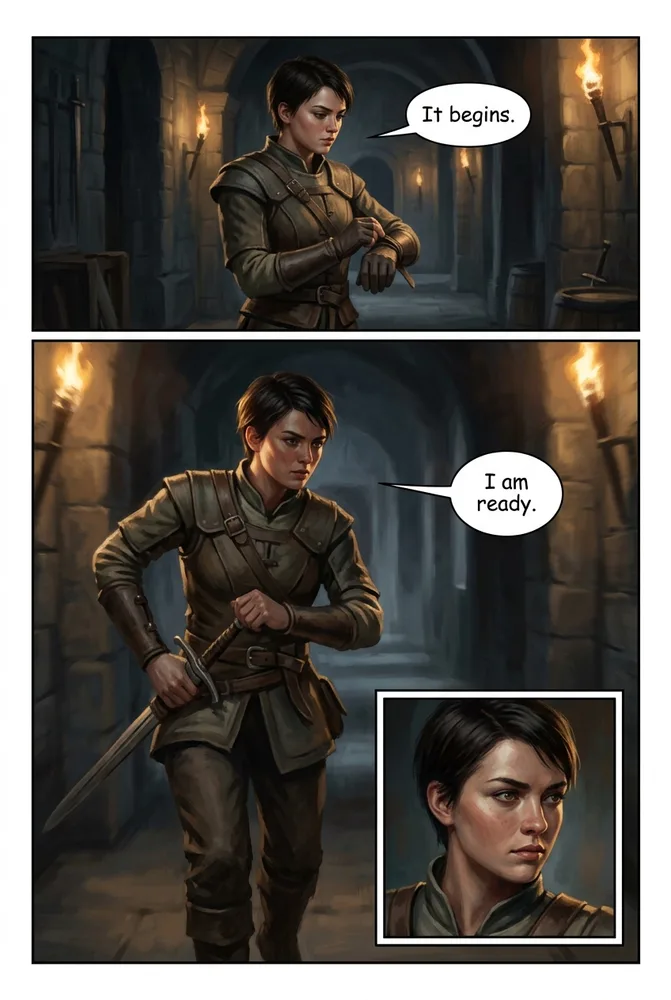
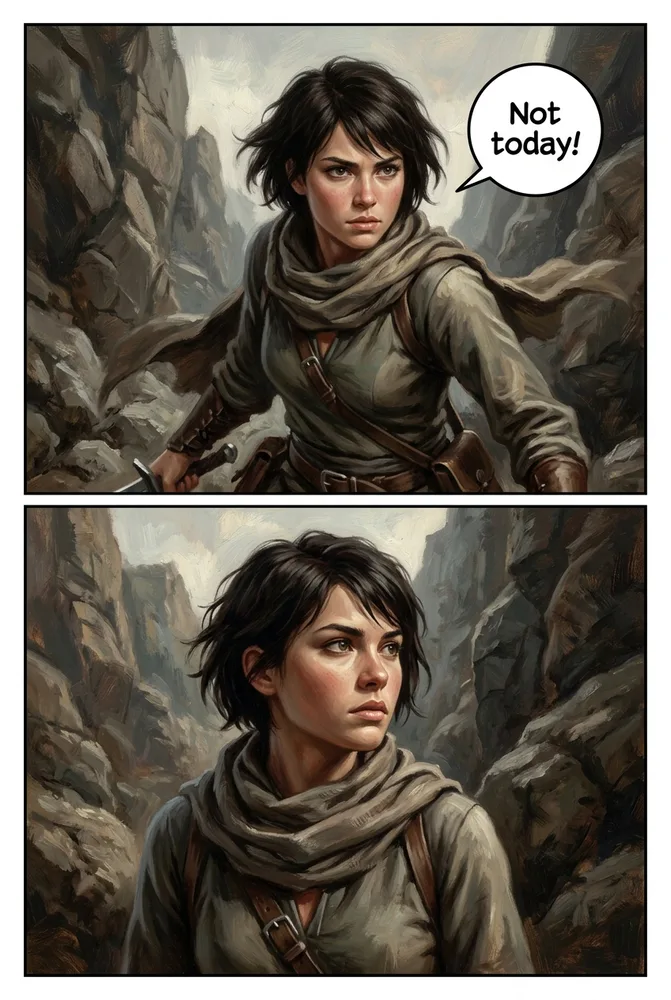
Because this style pushes closest to photoreal, always keep prompts in painted-illustration language (“painted brushwork,” “gallery finish”) rather than “photo of” or “realistic photograph” — this keeps output clearly illustrative, not a simulated photograph of a real person. For a wider tour of realism-adjacent styles, see the AI realistic comic generator roundup.
How does watercolor-fantasy style paint your character?
Watercolor-fantasy is the softest of the five — a true watercolor wash with visible pigment bleed, dreamy and ethereal, built for fantasy and fairy-tale tone. It’s the style to reach for when the mood needs to feel gentle rather than dramatic.
Prompt recipe: soft watercolor wash, visible pigment bleed at edges, dreamy ethereal light, pastel-leaning palette, storybook-fantasy mood, no hard ink line
Which AI painted comic style should I pick?
Match the medium to your story’s emotional register first — realism level second.
| Style | Medium | Brushwork / look | Best for | Comistitch advantage |
|---|---|---|---|---|
| Semi-realistic | Ink + watercolor/gouache wash | Gritty hybrid, inked outline over texture | Action-adventure, urban fantasy | Starter-tier access, fastest of the five |
| Storybook-oil | Oil (impasto) | Warm, golden-hour, soft edges | Fables, children’s books, cozy fantasy | Style seed locks warmth across a whole chapter |
| Graphic-novel-painted | Oil (no ink line) | Museum chiaroscuro, near-photoreal | Prestige single-issue drama, superhero realism | Auto-paneling keeps painted pages on pace |
| Hyperreal-painted | Photoreal brushwork | Subsurface detail, gallery finish | Cover art, key art, single splash pages | Elite-tier fidelity with locked character bible |
| Watercolor-fantasy | Watercolor wash | Soft bleed, dreamy, pastel | Fairy tale, gentle fantasy, all-ages | Bleed effect stays consistent panel to panel |
How do I write a painted-style prompt that actually works?
- Name the medium first. Oil, gouache, watercolor, or photoreal brushwork — put it at the front of the style line, before any scene description.
- Add exactly one brushwork cue. Impasto, wash-bleed, or subsurface detail. More than one texture cue tends to muddy the render rather than sharpen it.
- Set the light source, not just “dramatic lighting.” Golden-hour key, cool rim light, or overhead diffuse — painted styles read light direction as strongly as color.
- Write the character bible once, reuse it everywhere. One sentence covering build, hair, and a signature item, pasted into every panel prompt in the project.
- Test one panel before committing to a full page. Confirm medium and lighting land correctly, then let the locked style seed carry consistency through the rest of the page.
This is one small piece of a much larger picture — the full AI comic art styles comparison covers all twenty Comistitch styles side by side, painted and line-art alike, on the same test character.
Can I mix painted and ink-line styles in one comic?
Not within a single project — each Comistitch project locks one style so panel-to-panel consistency holds. But nothing stops you from running two projects (say, a painted cover in hyperreal-painted and interior pages in semi-realistic) and combining the exports in your final publish. Many creators use this exact split for print-ready graphic novels: painted cover, faster interior pages.
Try it: Comistitch prompt example
Paste this into Studio and swap the bracketed medium for any of the five above:
Generate a painted comic panel. Character: a lone traveler in worn leather
travel gear, windswept hair, standing on a cliff edge at dawn. Style:
[oil impasto brushwork / soft watercolor wash / full oil-realism, no ink
outline] with warm side lighting from the rising sun. Mood: quiet,
contemplative, painterly texture visible in the sky and rock face. Keep
character proportions consistent with the locked style seed. Output as a
single 2:3 panel, painted illustration quality, no photographic realism.
The builder handles the texture layering automatically once the style seed locks — you only need to adjust the medium bracket to switch looks without re-writing the whole prompt.
Where to next?
You’ve got the five painted mediums mapped. From here:
- AI comic art styles compared — see all twenty Comistitch styles side by side on one test character
- Alex Ross painted realism, step-by-step — the full build workflow behind graphic-novel-painted
- AI realistic comic generator, 4 painted styles — a deeper look at tiers and use cases across the realism-leaning styles
- Semi-realistic comic style, storybook oil painting, graphic-novel-painted, hyperreal-painted, and watercolor fantasy — try each style page directly
Frequently asked questions
Frontmatter FAQ renders below this section automatically.
Pick a painted medium and generate your first panel free. Start in Comistitch Studio — shipped from the panel canvas, no separate art tool required.